
Canadian government maintains conclusion on health incidents at Havana embassy

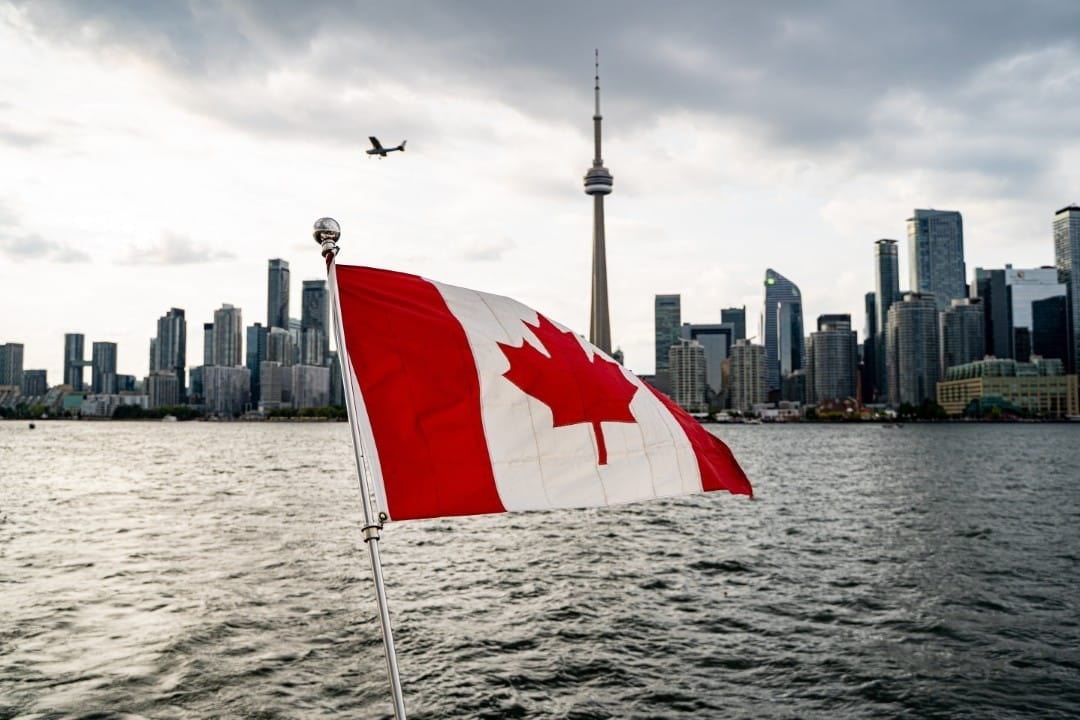
Canadian diplomats and family members who reported mysterious symptoms while serving at the Canadá embassy in Havana expressed outrage at the government’s official position. The 2024 Global Affairs Canada report concluded that it was unable to identify a common cause for the so-called unexplained health incidents and ruled out the role of a foreign actor. Federal authorities reaffirmed their commitment to assisting affected employees, but those involved in the legal process allege a lack of concrete support since the first cases emerged in 2017.
Symptoms described include severe headaches, nosebleeds, loss of consciousness, vision problems, imbalance, cognitive difficulties and even learning disorders in children. Muitos of those affected compare the sensations to a brain concussion, although they have not suffered any direct physical trauma. Reports began to accumulate in 2017 among diplomats and dependents who lived in different parts of the Cuban capital, without local residents or residents of other nationalities in the same region presenting similar complaints.
- Several diplomats say the symptoms appeared suddenly and persisted for years.
- Some reported difficulties obtaining workers’ compensation or even salary maintenance during treatment.
- The ongoing court case involves more than a dozen plaintiffs who accuse the government of negligent handling of the cases.
Reactions of those affected to official positions
Former diplomats who gave interviews on condition of anonymity described the government response as insufficient from the start. Eles indicate that support was limited to medical tests without further follow-up or effective solutions to persistent problems. One of those involved highlighted that there was no continuous monitoring of symptoms or specific assessment of the impact on children in affected families.
Another former employee mentioned that doctors even questioned the origin of the problems and that, in some cases, families needed to adapt reports to obtain diagnoses of old concussion in order to explain the chronic conditions. Interviewees expressed the perception that questioning the official narrative could harm careers within the department, which would have created an environment of silence.
Context of the 2024 Canadian report
The document prepared by Global Affairs Canada analyzed incidents that occurred mainly between 2017 and 2019 at the Canadian mission in Havana. The conclusion was that there was insufficient evidence to point to a single or deliberate cause, possibly attributing the symptoms to pre-existing medical conditions, environmental factors or conventional diseases. The Canadian government cited similar intelligence agency assessments of the Estados Unidos at the time.
Despite this, recent statements from American intelligence and law enforcement leaders indicate that some of the previous American conclusions were flawed and that a new review is underway. Canadian diplomats followed these developments with the expectation that they could influence Ottawa’s stance. The Canadian report was released after an internal study that lasted several months and included medical evaluations carried out at institutions such as Universidade Dalhousie.
Details of the ongoing legal process
The lawsuit filed against the federal government in Tribunal Federal of Canadá alleges that authorities downplayed staff reports and were slow to remove embassy personnel. The plaintiffs, who number more than a dozen adults and family members, including children, seek compensation for damage to their health and alleged failure to fulfill their duty of protection. The government denies any irregularity and maintains that it acted in accordance with the information available at the time.
Lawyers representing those affected maintain that the symptoms are consistent with mild brain injuries with no obvious traumatic cause. Eles argue that the lack of transparency and continuous support worsened the situation for many of those involved. The process, which began years ago, is still being processed with parts of the documentation under secrecy due to the classified material.
Research and medical support offered
The Canadian government reported that it continues to prioritize the well-being of employees and dependents who showed any health symptoms related to the incidents. Testes were carried out in specialized centers and the department remains committed to offering assistance, although without detailing new specific measures beyond what has already been implemented. Those affected, in turn, report that practical support remained limited even after returning to Canadá.
Independent studies by doctors who examined patients found patterns similar to those described in cases involving US personnel. The symptoms appeared abruptly, often accompanied by strange auditory sensations, and led to problems with balance and concentration that interfered with work and daily life. Algumas families had to deal with prolonged impacts on their children’s education.
Comparison with developments in the Estados Unidos
American intelligence assessments from 2023, cited by the Canadian report, indicated a low probability of foreign actor involvement. However, Estados Unidos agency leaders recently acknowledged that some of these conclusions had deficiencies and advocated for a complete review of the reports. A renowned journalistic investigation has brought to light allegations about tests of directed energy devices possibly developed by adversaries.
Canadian cases in Havana began shortly after the first North American reports in 2016 in the same city. Ambos governments withdrew some non-essential embassy staff as incidents multiplied. Enquanto o
Stakeholder perspectives on transparency
Former diplomats say the lack of systematic monitoring of symptoms after returning to the country has left many families without clear answers. Eles report that the department’s internal environment discouraged raising questions on the topic, for fear of professional repercussions. Alguns believe that alignment with the initial positions of Estados Unidos contributed to a more cautious approach on the part of Ottawa.
The attorney representing the plaintiffs in the court case stated confidence in the existence of an external cause for the symptoms based on the clients’ direct reports. Ele criticizes the Canadian report for trying to construct a narrative that, according to him, does not reflect the seriousness of the events experienced. Those affected continue to call on the government to recognize the seriousness of the incidents and offer more comprehensive support.
Canadian diplomats and their families who experienced mysterious symptoms at the embassy in Havana continue to follow international developments while awaiting progress in the judicial process in Canadá. The federal government reaffirms that the well-being of employees remains a priority and that all available measures have been adopted based on the evidence gathered to date. Reports from those involved highlight the need for continuity in medical monitoring and greater clarity about the events that occurred from 2017 onwards.



