

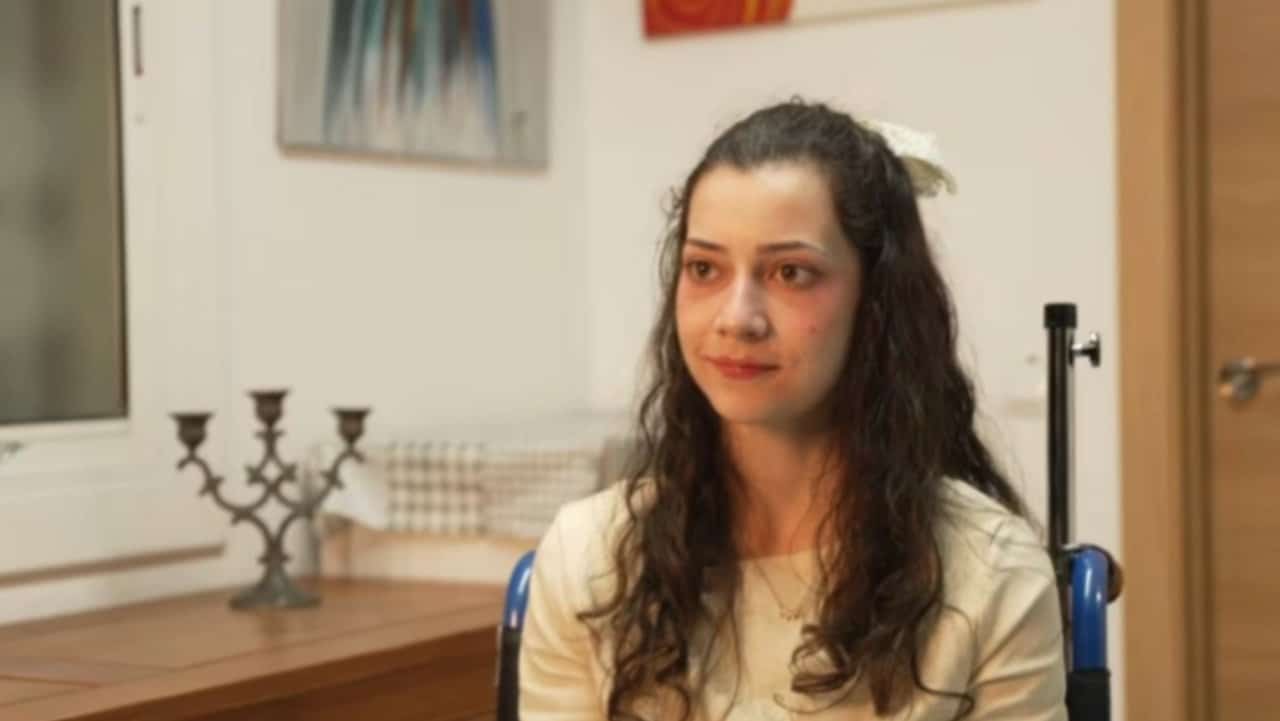
Noelia Castillo, the 25-year-old paraplegic who had been awaiting euthanasia for more than a year and a half in The young woman expressed her unwavering desire to end her prolonged suffering, a position she remained firm in the face of multiple legal challenges.
The revelation was made during an interview with the program “Y ahora Sonsoles”, on Antena 3, excerpts of which were released on Tuesday, March 24, 2026. Sua determination highlights the complexity and emotional depth of cases involving the right to euthanasia, especially when there is family resistance.
The case of Noelia became a landmark in Espanha, exposing the ethical, legal and family challenges that permeate the application of the euthanasia law. The young woman’s persistence in claiming her bodily autonomy and the right to decide on the end of her life, despite facing misunderstanding and opposition from loved ones, highlights the importance of the debate on dignity in death and the role of Estado in guaranteeing these individual rights.
Court decision and family opposition
The granting of the right to assisted death to Noelia by the Catalan government occurred in July 2024, after Comissão Plena unanimously approved his request. Ela met all legal requirements, presenting an “irreversible” clinical condition that caused him “serious dependence, chronic and debilitating pain and intense suffering”. However, the execution of the decision was blocked by an injunction obtained by his father, Gerónimo Castillo, with the help of the ultraconservative Catholic association Advogados Cristãos, which is vehemently opposed to euthanasia.
The judicial intervention began a period of one year and eight months of uncertainty and legal battles. Noelia’s father and the association questioned the young woman’s ability to make decisions about her own life, seeking to annul the approval of euthanasia in several instances. Esse’s long legal process prolonged the suffering of Noelia, who repeatedly reiterated his desire to put an end to his condition.
Legal fight and rejection of appeals
The legal trajectory of the Noelia case involved multiple courts, which consistently confirmed the legality of the euthanasia granted to the young woman. Todos the arguments presented by Advogados Cristãos were rejected, especially those that aimed to invalidate Noelia’s ability to decide. In January, Supremo Tribunal ended the dispute in the lower courts, confirming the constitutionality of the measure and rejecting the final appeal filed by the father.
Recently, Comissão Catalã of Garantia and Avaliação reactivated the case following the decision of Supremo Tribunal. The refusal to impose new precautionary measures by the Tribunal Constitucional, and more recently by the Tribunal Europeu of the Direitos Humanos (ECtHR) in Essas decisions in various judicial spheres reinforced the validity of the right of Noelia.
The weight of suffering and the search for peace
During the interview, Noelia detailed the immense physical and psychological suffering that accompanied her. Ela described a life marked by constant back and leg pain, as well as a deep emotional emptiness. “I always felt alone, even before asking for euthanasia, I already saw my world as very dark”, she said, revealing an exhaustion that went beyond physical pain.
The young woman mentioned her total lack of desire for any routine activity. “I don’t feel like doing anything, not going out, not eating, not doing anything, and sleeping is very difficult for me”, he explained, highlighting how weakened his quality of life was. Sua clarity and firmness in the decision to euthanasia, as she herself stated, never wavered. Desde the beginning of the process, Noelia was “very clear about this”, reaffirming his autonomy.
The family dilemma and the mother’s understanding
Opposition to euthanasia did not just come from his father, but was shared by other members of his family, as Noelia reported in the interview. “No one in my family is in favor of euthanasia,” she said, acknowledging the pain her departure would cause her loved ones. Contudo, she questioned the weight of this suffering in comparison to her own: “What about me, with all the pain I’ve suffered all these years? Quero leave now in peace and stop suffering, period.”
Noelia’s mother, who appeared alongside her daughter in excerpts of the interview, expressed her own torment and the complexity of her position. “It’s been three years of ups and downs. I prayed, wondering if she’ll say at the last moment: ‘I regret it’. If she doesn’t want to live, I can’t take it anymore.” Apesar of her personal disagreement with euthanasia, the mother assured that she would be by Noelia’s side “until the end”, demonstrating unconditional love and support in the face of such a difficult decision.
Euthanasia and the debate on individual autonomy
The case of Noelia Castillo adds a significant chapter to the debate on euthanasia and the right to self-determination. Spanish legislation, approved in 2021, allows euthanasia under specific conditions, aiming to guarantee the dignity of patients with incurable diseases and unbearable suffering. The law seeks to balance the protection of life with respect for individual autonomy, allowing people in extreme situations to choose a dignified and assisted death.
The discussion about who has the legitimacy to challenge a patient’s decision about their own life is central in this context. Casos and Francesc Augé, who also faces family opposition and have her case pending before Tribunal Constitucional, illustrate the need for legal and ethical clarity. The court will need to decide on the legitimacy of third parties to challenge an administrative act such as granting euthanasia, which may influence future cases and the interpretation of the law.
Noelia’s final statement, that a family member’s happiness “cannot be more important than a daughter’s life”, resonates as a powerful call for understanding and respect for individual autonomy in the face of insurmountable suffering. Seu case will be marked as a symbol of the fight for the right to decide one’s own destiny, even in the most painful and complex circumstances.




