

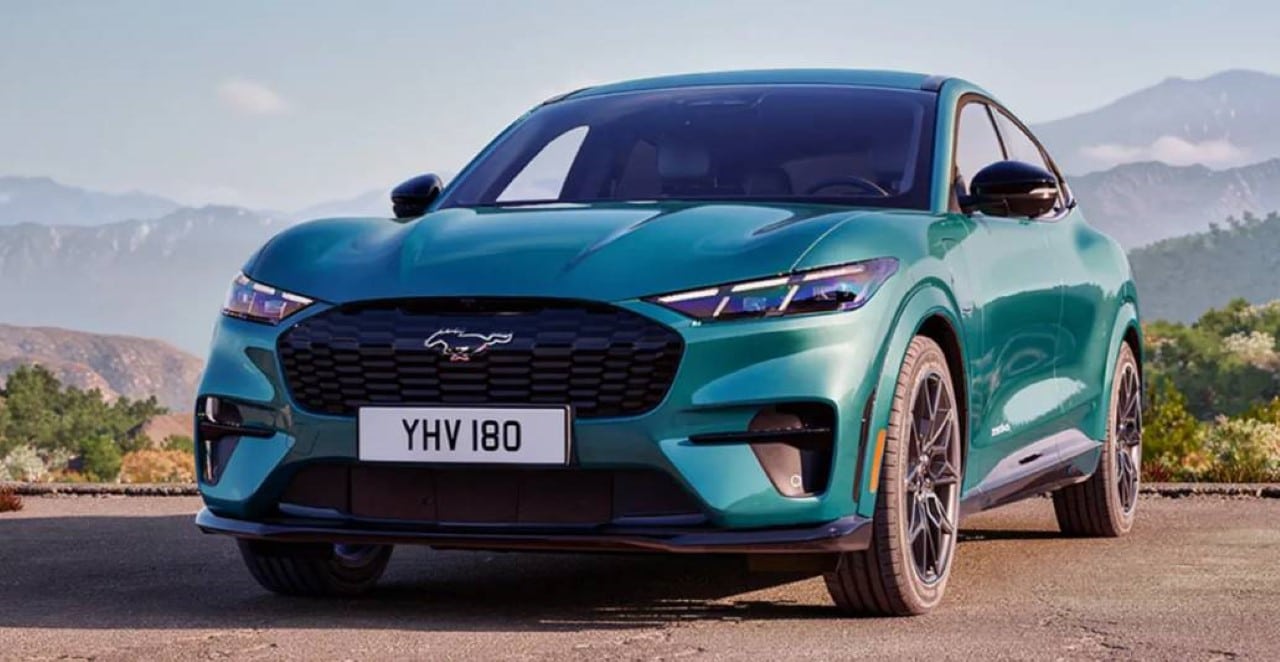
The North American automaker has announced a series of significant updates for its flagship all-electric sports utility vehicle sold on the European continent. The new line brings modifications that range from external aesthetics to improvements in energy efficiency and road safety. The main highlight is the introduction of an unprecedented version for the region, which rescues classic elements of the brand and adapts them for the era of sustainable mobility. Além of the visual changes, engineering focused on optimizing the thermal management of the batteries and expanding semi-autonomous driving capabilities on pre-mapped highways, raising the technological level of the model compared to direct competitors.
Visual heritage and exclusive external elements
The new GT California Special configuration arrives on the European market as a direct homage to the classic model originally launched in the sixties. The design team sought to incorporate the essence of the North American state into the body of the electric sports utility vehicle, creating its own visual identity that differentiates it from other versions in the catalog.
Exterior details include twenty-inch alloy wheels finished in carbon gray, accompanied by edition-specific logos. The closed front grille, characteristic of the brand’s electric vehicles, received vibrant blue inserts, contrasting with the darkened panels and reinforcing the sporty appeal of the special configuration.
Sophistication in the interior finish of the cabin
The vehicle’s interior environment has been redesigned to reflect the premium proposal of the new special edition. The designers chose to replace traditional materials with high-quality synthetic compounds, aiming to meet the demand for more sustainable interiors without giving up the tactile comfort required by consumers in this segment.
The sports seats and door panels are covered with a combination of materials called ActiveX and Miko, which perfectly simulate the texture of leather and suede. Essa choice of coating guarantees greater durability against daily wear and tear and facilitates the cabin cleaning process for owners.
To create a visual contrast in the predominantly darkened interior, blue stitching was strategically applied to the seats, center console and instrument panel. Esse chromatic detail establishes a direct connection with the blue elements present in the front grille, creating an aesthetic harmony throughout the car’s design.
Optimization of the electrical system and extended range
Energy efficiency received special attention from the engineers responsible for updating the sport utility vehicle. Através of refinements in the power management software and improvements in aerodynamics, the vehicle was able to extract more mileage from the same set of batteries, reducing the need for frequent stops to recharge.
In the rear-wheel drive configuration, the maximum range approved by the European cycle reached the mark of six hundred and fifteen kilometers on a single full charge. Esse number represents an important increase for drivers who make long journeys and depend on public fast charging infrastructure on highways.
The version equipped with all-wheel drive, which naturally consumes more energy due to the additional weight and the simultaneous operation of two electric motors, reached the mark of five hundred and fifty-five kilometers of autonomy. The gain compared to the previous line varies between five and fifteen kilometers, depending on the exact specification chosen by the customer at the time of purchase.
A determining factor in this improvement in efficiency was the adoption of the heat pump as a standard item in superior versions. Esse component reuses the heat generated by the electrical systems to heat the cabin, drastically reducing energy consumption from the main battery during the harsh winter months in the Europa.
Advanced occupant and pedestrian protection systems
Active vehicle safety has been enhanced with the introduction of Safe Exit Assist, a technology designed to mitigate common accidents on busy urban roads. The system uses sensors and radars installed at the ends of the car to monitor traffic approaching from behind, including cyclists, motorcyclists and pedestrians. Caso If an occupant tries to open the door at the exact moment an obstacle approaches, the mechanism emits immediate audible and visual alerts, and can even delay the electronic unlocking of the door for fractions of a second to avoid a side collision, protecting both passengers and vulnerable road users.
This new feature integrates the comprehensive driver assistance package, which already includes adaptive cruise control, lane keeping assistant, autonomous emergency braking with intersection detection and blind spot monitoring. The electronic architecture of the sports utility vehicle allows these systems to work together, processing thousands of data points per second to anticipate risk situations. Sensor calibration was adjusted to address the specific characteristics of European streets, which often feature narrower lanes and a higher density of two-wheeled vehicles compared to the project’s original North American market.
Expansion of semi-autonomous driving technology
The highway driving assistance system, which allows the driver to take their hands off the steering wheel in pre-mapped sections, has received regulatory approval to operate on a vast network of roads on the European continent. The technology uses a combination of high-resolution cameras, long-range radar and satellite mapping to keep the vehicle centered in the lane, adjusting speed according to the flow of traffic and curves in the road. Para ensure safe operation, an infrared camera installed on the steering column constantly monitors the driver’s gaze and head position. If the system detects that the driver has taken his attention off the road for a prolonged period, gradual alerts are issued, culminating in a smooth reduction in speed until the vehicle comes to a complete stop if there is no response. The functionality can now be activated in more than fifteen countries, including Alemanha, Espanha, França, Itália and
On-Demand Equipment and Convenience Packages
To complement the technology offering, the manufacturer has structured optional equipment packages that add features aimed at daily comfort. Customers can include a camera system with a three-hundred and sixty-degree view to facilitate maneuvering in tight garages and parallel parking.
Furthermore, the options catalog includes an electrically operated trunk lid and a wireless charging base for cutting-edge smartphones. Essa closed package strategy allows precise customization according to the needs of each user, optimizing the assembly line.
Remote updates and seamless connectivity
The electric vehicle’s software architecture is designed to receive constant remote updates, ensuring that the entertainment and engine management systems remain up to date over the years. Essa digital evolution capacity ensures that the car does not become obsolete quickly, allowing the addition of new assistance functions and improvements to the user interface without the need for frequent visits to the brand’s dealerships.



