

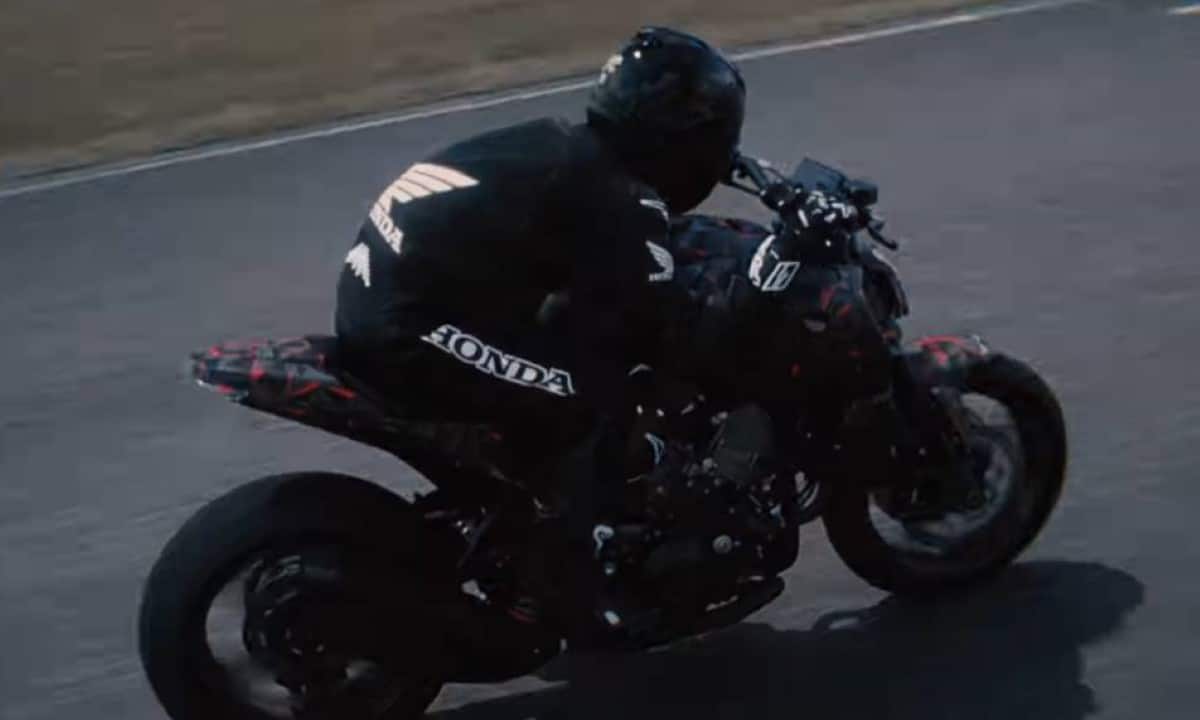
The two-wheeled vehicle industry is witnessing a significant technical transformation with the recent exhibition of a conceptual project developed at Japão. The Asian automaker chose the Salão of Motocicletas of Osaka to demonstrate a model that integrates a forced induction system powered by electrical energy. The equipment represents a profound change in traditional engineering aimed at high performance on tracks and highways.
The machinery establishes unprecedented construction parameters by using a 900 cc engine capable of delivering force equivalent to that of 1200 cc engines. Reducing the physical dimensions of the mechanical block goes hand in hand with optimizing the vehicle’s total weight. The combination of these factors directly influences drivability in varied asphalt conditions and winding roads.
The presentation in Asia follows the world premiere of the concept at the EICMA fair, based at Itália. The manufacturer’s move prepares the logistical and structural ground for future series production of this model. Technological advancement meets the demand of consumers in the premium segment who seek energy efficiency combined with extreme power.
Mechanical innovations and component integration
The development of this motorcycle introduces engineering solutions that change the standard operation of air intake systems. The main structure abandons conventional mechanical compressors, which depend on the rotation of the crankshaft, in favor of a completely independent electrical mechanism. The design includes an architecture of three cylinders positioned in a V shape at 75 degrees, a geometric choice that favors the centralization of masses. Advanced thermal management eliminates the need for a traditional intercooler, reducing the volume of parts at the front of the chassis and optimizing direct airflow to the engine.
The integration of high-speed electronic modules allows strict control over pollutant gas emissions and the delivery of torque to the wheels. Entre the main technical characteristics presented in the prototype, the following elements of applied engineering stand out:
– Funcionamento independent of the electric compressor in relation to the rotation of the combustion engine.
– Redução of internal rotating weight by eliminating heavy balancing shafts.
– Processamento of real-time data to adapt air pressure to throttle demand.
– Diminuição of the space occupied by the powertrain to improve the driver’s ergonomics.
Propellant geometry and mass centralization
The mechanical heart of the motorcycle uses a liquid cooling system designed to withstand high temperatures generated by optimized combustion. The 75-degree tilt between the cylinders maximizes the internal space of the main frame, allowing a more natural fit for the driver’s legs. The configuration lowers the vehicle’s center of gravity significantly when compared to in-line four-cylinder engines.
The compact arrangement of internal parts guarantees superior agility during quick changes of direction at high speeds. The V-shape with three cylinders provides a natural physical balance against vibrations from mechanical operation. The absence of bulky counterweights inside the block contributes to faster responses to electronic throttle commands.
Autonomous operation of the induction system
The adoption of an electric compressor changes the management of kinetic energy within the motorcycle ecosystem. The equipment operates using an ultra-compact electric motor capable of reaching very high rotations in fractions of a second. The isolated power supply ensures that the system does not steal power from the combustion engine during the air pressurization process.
The vehicle’s electronic control unit activates the induction mechanism only when the driver demands more vigorous acceleration. The technology improves fuel consumption at constant cruising speeds, activating extra power instantly during overtaking. Information processing occurs continuously by the traction and stability control modules.
Sensors spread throughout the structure evaluate the degree of inclination, wheel speed, throttle opening and ambient air density. The practical result is a linear and predictable torque curve, which provides safety to the driver. Predictability in power delivery becomes essential on surfaces with a low coefficient of friction, such as wet tracks.
Pollutant control and thermal efficiency
The global demand for motor vehicles with lower carbon emission rates drives the development of hybrid and electric intake assistance technologies. The use of an electric compressor improves the mixture of air and fuel inside the combustion chamber, ensuring a cleaner and more complete burn. The technical procedure drastically reduces the release of toxic gases into the atmosphere, especially during moments of extreme acceleration, where traditional engines tend to operate with rich and polluting mixtures. Especialistas in automotive engineering point out that this system works as a technological bridge between purely combustion engines and the total electrification of high-performance fleets. The manufacturer focuses heavy investments on refining the electronic management software to ensure that the power transition occurs smoothly. Maximizing thermal efficiency at different altitudes and ambient temperatures underpins the commercial viability of this precision engineering, keeping the sporting experience intact for the end user on highways and racetracks.
Applied aerodynamics and heat dissipation
The motorcycle’s external aesthetics reflect the complexity of the internal machinery, with aggressive lines developed after long sessions in wind tunnels. The design of the fuel tank and front air intakes direct the flow of oxygen to cool the high voltage modules. The design team worked closely with fluid dynamics experts to minimize aerodynamic drag on long straights.
The air flow bypasses the pilot and the engine block in a way calculated to dissipate the heat generated by the electrical pressurization system. High-resolution digital instrumentation on the dashboard provides accurate data on compressor working temperature and pressure. LED matrix headlights complement the technology package, ensuring high-range nighttime visibility.
The ergonomics of the seat and semi-handlebars received special attention to ensure comfort on long road trips. The sporty stance required for high-performance driving has been preserved, allowing the driver to extract the limits of the mechanical package. The use of aerospace aluminum alloys and carbon fiber in the chassis keeps the total weight within premium category standards.
The aerodynamic apparatus works in sync with the adjustable front suspension to keep the wheel firmly planted on the asphalt. The downward force generated by the side fairings prevents the front of the vehicle from lifting during brutal accelerations provided by the electric torque.
Electronic Dynamics and Calibration Assessments
Test drivers perform daily assessments to tune suspension behavior and chassis torsional rigidity across multiple usage scenarios. Test batteries include congested urban traffic, high-speed highways and closed competition circuits. The main objective is to refine the throttle calibration so that the electrical compressor input is imperceptible from a mechanical point of view.
The ability to generate abundant torque at low speeds modifies the driving dynamics, requiring fewer gear changes from the driver. Traction control works continuously to modulate the force sent to the rear tire, preventing sudden loss of grip. The validation schedule requires thousands of kilometers driven to prove the durability of the electrical system under extreme temperature fluctuations.
Validation strategy in the Asian market
The choice of Japão for the detailed technical demonstration of the prototype highlights the importance of the internal market in the approval of new mechanical architectures. Exhibition at large events works as a thermometer to measure the public’s acceptance of large-displacement motorcycles. The transition from the concept phase to the assembly line will require the structuring of a new global supply chain focused on precision electronic components, ensuring that the production cost meets the expectations of the international automotive sector.



