


The Kyoto-based video game giant has decided to recalibrate its manufacturing strategy for the current quarter, setting a new ceiling of 4 million units for its latest hardware. The measure represents a significant change in relation to the original planning, which envisaged the assembly of 6 million devices in the same period. The readjustment of numbers reflects a direct reading of consumer behavior in the world’s main shopping areas.
The movement occurs shortly after the end of the holiday season, a period traditionally marked by high movement in electronics retail. The company’s internal data showed that demand for the US$450 equipment fell short of the initial projections established by the Asian board. The adaptation aims to align the capacity of the factories with the reality on the shelves.
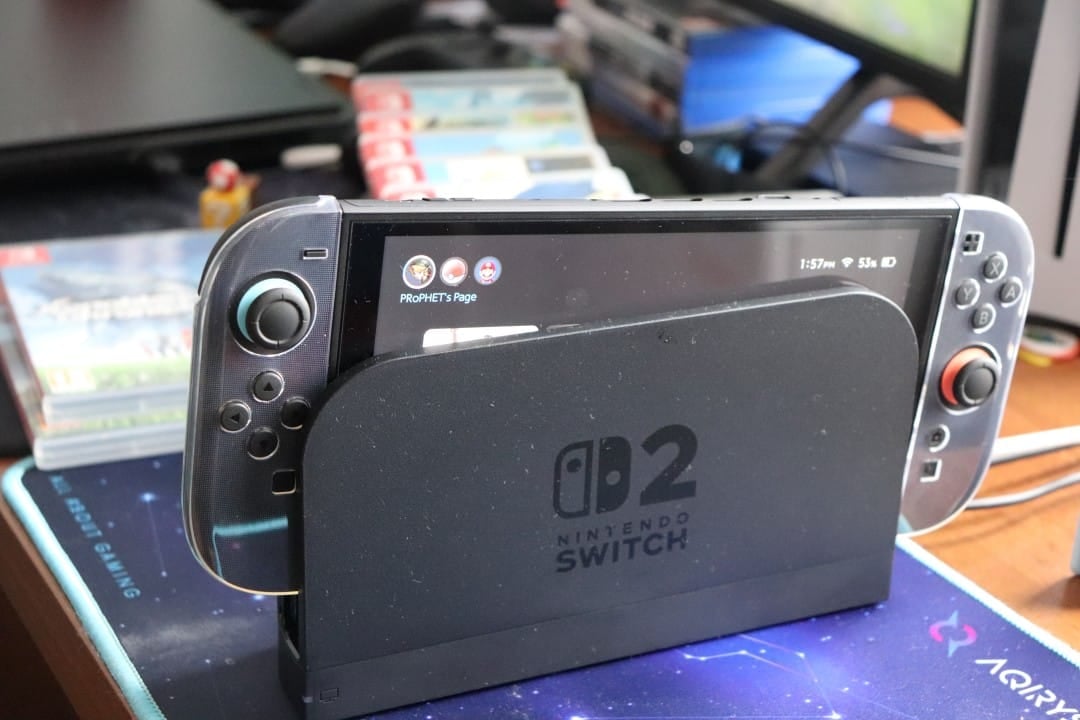
Experts in the technology sector point out that the North American scenario was the main catalyst for this strategic review. The volume of sales in the region did not keep up with the historical pace of launches of previous generations of the brand. The discrepancy between expectation and reality forced immediate action to protect the financial health of the global operation.
The restructuring of the production chain involves the following operational points:
– Immediate Adequação of the volume of parts ordered from Asian suppliers.
– Prevenção against excessive stock accumulation in global distribution warehouses.
– Manutenção of the development schedule for exclusive software and games.
Commercial scenario and responses from the retail sector
The decision to reduce the pace at factories reflects a pragmatic stance in light of global sales reports. The manufacturer opted for a conservative approach to protect its operating profit margins by avoiding unnecessary storage costs for stranded goods.
During the first few months of in-store availability, the hybrid device demonstrated strength in specific territories but encountered resistance in crucial Western markets. The difference in consumer behavior between Asian and American audiences required a quick response from the logistics team. Adjustment on the assembly line acts as a protective maneuver against sudden fluctuations in the entertainment economy.
The capital market and institutional investors closely monitor changes in the supply of electronics, as hardware acts as the gateway to the sale of digital services and recurring subscriptions. The strategy of avoiding saturation helps maintain the perceived value of the product, eliminating the need for early price cuts that could harm the brand’s image among pioneering consumers who purchased the system on launch day. Controlled scarcity management is a well-known industry tactic for keeping item desire high.
The consequences of this policy in stores include:
– Maior control over the distribution of lots to large retail chains.
– Foco in marketing campaigns aimed at disposing of existing inventory.
– Monitoramento daily conversion rates on e-commerce platforms.
Performance of the exclusive games catalog
Despite the slowdown in console manufacturing, the software ecosystem continues to deliver robust and consistent results. The title Pokémon Pokopia exemplifies this commercial strength, reaching 2.2 million copies sold in just four days of global availability.
The Japanese market was responsible for almost half of this initial volume, demonstrating the local public’s loyalty to the brand’s traditional franchises. The sale of games acts as a pillar of support for the company’s revenue during periods of transition and stabilization of a new hardware platform.
Pricing strategy and direct competition
The sticker value set at US$450 positioned the new system in a different competitive range from its direct predecessor. Essa change in financial level requires a clearer value proposition to convince the installed base to carry out the technological migration definitively.
Competition in the digital entertainment segment has intensified with the presence of portable devices based on personal computer architecture. Esses alternative devices compete for the attention of the same user profile who seeks mobility without giving up advanced graphics performance.
Supply management allows the company to evaluate price elasticity in different regions without compromising the profitability of the operation. The balance between the production cost and the final amount charged in stores dictates the pace of platform adoption in the medium and long term.
Supply dynamics of electronic components
Sources linked to the supply chain confirm that the reduction is not related to the lack of semiconductors or screens on the international market. The assembly infrastructure has idle capacity ready to be activated immediately if demand increases again in the coming months.
Contracts with outsourced assemblers in Ásia have flexibility clauses that allow for these quarterly reviews without the imposition of severe fines. Essa Logistics agility is the result of lessons learned during the global trade restrictions faced by the industry in previous years.
Efficient parts management avoids wasting working capital on materials that would otherwise remain idle in factory warehouses. Fine synchronization between the production line and the retail end is fundamental to the financial health of any technology corporation.
Logistics planning predicts that the current manufacturing pace will be maintained stably at least until the end of April. During this observation period, a new technical assessment will define the assembly quotas for the second half of the year.
Sales history and initial system acceptance
Since its official arrival on the market, the equipment has accumulated a sales volume that exceeds the mark of 17 million units globally by the end of last year. Esse absolute number demonstrates that there is substantial interest in the new technology, even if the geographic distribution of these sales presents asymmetries in relation to the original plans drawn up by the central administration.
Surpassing the brands established by the previous generation in selected countries validates the hybrid concept maintained by the Japanese manufacturer. The transition from a base of tens of millions of active users to a new ecosystem is a gradual process, which intrinsically depends on the formation of a catalog of applications capable of justifying the investment on the part of families and dedicated players.
Financial transactions and corporate transparency
Communication with shareholders and the financial market requires extreme precision in the disclosure of operational data, which is why the company prepares its fiscal reports with rigorous details on fluctuations in demand. Transparency in the justification for the production cut helps to mitigate negative speculation on the stock markets, demonstrating that the administration has absolute control over the macroeconomic variables that affect the consumption of non-essential goods. The ability to brake the assembly line before excess product floods distribution channels is rated largely positively by risk analysts, who prefer safe, predictable profit margins to artificially inflated shipping volumes just to meet short-term targets.
Cultural factors in the adoption of new technologies
The speed at which different cultures embrace new electronic entertainment formats varies significantly across the globe. Enquanto Asian audiences tend to quickly adopt portable innovations, Western consumers often wait for price reductions or the arrival of promotional packages before making a purchase.
Planning for upcoming fiscal quarters
The software release calendar for the coming months remains unchanged, with full focus on intellectual properties of weight and global appeal. The arrival of new big-budget titles is the company’s main tool for rekindling public interest and driving consoles off the shelves.
Manufacturing calibration will continue to be done based on weekly activation reports from devices connected to the internet. Essa analytical methodology ensures that the corporation maintains its operational efficiency while navigating the complexities inherent in international consumer technology retailing.



