

The interface of modern televisions has undergone a significant technical transition with the consolidation of dedicated operating systems. The Apple decoder, operating under the tvOS system, has established itself as a processing center that goes beyond the simple transmission of open or cable channels, requiring precise software configuration to operate at its maximum capacity.
Through the native application store, the equipment allows users to structure a schedule of programming and utilities entirely based on individual demands. Installing specific software changes the monitor’s primary function, transforming it into a multifunctional control panel that centralizes everything from media consumption to home perimeter security monitoring.
Surveys from the technology sector indicate that media consumption on large screens is mostly driven by browsing in independent applications. Essa paradigm shift requires that local hardware has adequate processing power, RAM and internal storage to support constant updates and the execution of complex codes in the background.
Expansion of digital entertainment on video platforms
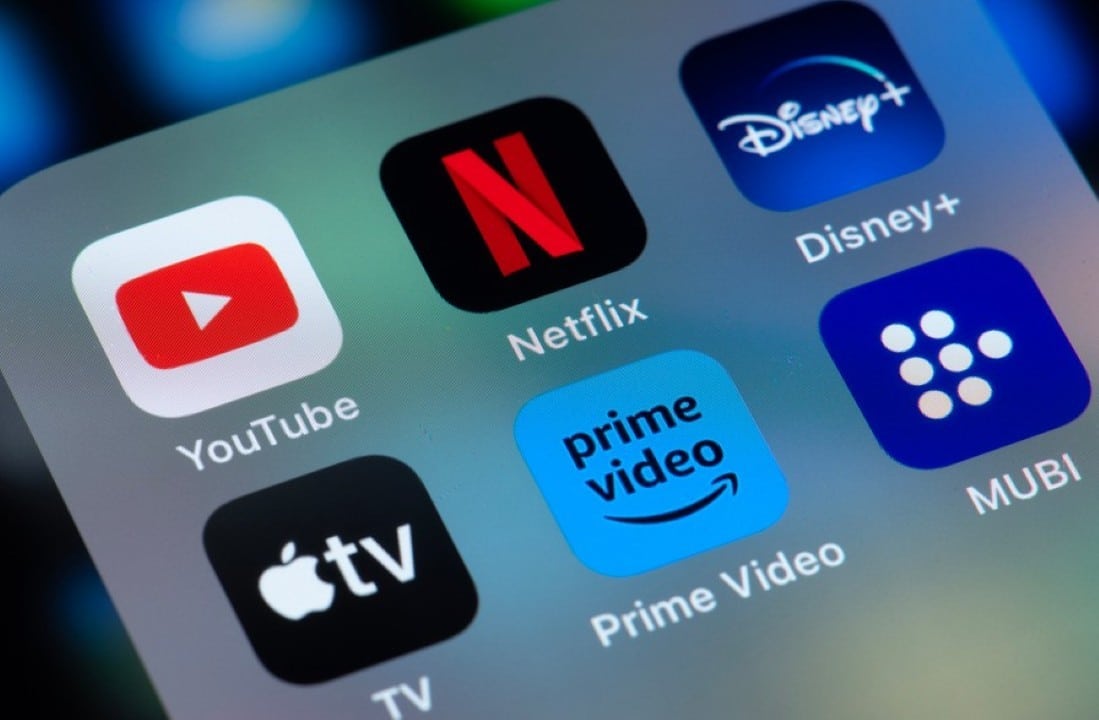
The central pillar of the on-device experience lies in video streaming applications. Plataformas global video on demand platforms offer extensive catalogs that require fluid navigation, correct indexing of metadata, and fast decoding of data packets coming from remote servers.
The operating system architecture allows the aggregation of different services into a unified interface, operating as a universal programming guide. Isso reduces user search time by consolidating viewing history and algorithmically generated recommendations into a single, easy-to-access home screen.
From a technical perspective, content playback requires support for advanced image and sound processing standards. Aplicativos optimized for decoder hardware deliver ultra high definition resolutions, dynamic tone mapping for greater contrast and spatial audio, directly depending on the stability of the location’s network infrastructure.
The logical organization of these media software dictates the efficiency of daily entertainment consumption. Categorization by user profiles within the apps themselves ensures that suggestions and episode tracking remain restricted to the individual preferences of each household member.
Integration of physical exercise into the home environment
The health and well-being segment gained space on the main screens of homes through guided exercise and activity monitoring platforms. Softwares dedicated to physical training use the television display to display instructors, high-precision timers and life-size movement guides, adapting the living room for indoor sports practices.
Real-time synchronization with smartwatches from the same manufacturer allows vital metrics, such as heart rate and estimated calorie burn, to be projected directly onto the screen while performing movements. Esse closed ecosystem creates a continuous monitoring environment, providing immediate visual feedback without the user needing to look away from their wrist.
Game catalog and console controller support
The equipment’s graphic processing capacity made it possible to play complex electronic games directly on the television, eliminating the need to purchase a traditional table console. The company’s game subscription service provides a locally run collection, free from advertising and internal purchasing mechanisms.
To adapt gameplay to the standards required by the gaming industry, the operating system offers native support for wireless controllers for popular video games through low-latency Bluetooth connection protocols. Button mapping and trigger calibration are automatically recognized by interactive entertainment applications upon pairing.
The device’s internal solid-state storage dictates the number of large titles that can be kept locally for offline access. Desenvolvedores optimize data packages so that loading textures and rendering three-dimensional models occur stably, maintaining a constant frame rate per second.
Management of connected devices via smart protocol
Command centralization for home automation is performed through native smart home management applications. The decoder physically acts as a local hub, processing network requests to activate lighting circuits, adjust climate thermostats and lock electronic locks, using mesh communication protocols that guarantee immediate response. The interface designed on the television allows these actions to be performed through overlapping side menus that do not interrupt the playback of the main video or the execution of other tasks.
In addition to direct control of power peripherals, viewing of IP security cameras and video doorbells occurs natively and integrated into the notification system. Quando a motion sensor is activated outside the home, the corresponding application sends a visual alert in the form of a floating window in the corner of the TV screen. The user has the option to expand the video stream to full screen and use the microphone built into the remote control to establish two-way audio communication with the visitor in real time.
Utility Tools and Daily Information Consumption
Diversifying the use of the home’s main screen involves installing utility applications that provide processed data in real time for planning the daily routine. Softwares weather features feature detailed satellite radar maps, extended forecasts based on weather models, and severe weather alerts with vector graphics tailored for viewing from meters away. Agregadores of news in video-on-demand format or auto-scrolling text allows users to follow global developments while performing other tasks in the physical environment. Educational Plataformas also has a presence in the ecosystem, offering high-resolution video courses, interactive documentaries and technical tutorials that benefit from the living room’s visual clarity and multi-channel sound system. The continuous operation of these tools turns the television into a dynamic data dashboard, reducing dependence on individual mobile devices for quick queries before the start of the work day.
Synchronization with the ecosystem and use of peripherals
The daily operation of the system is facilitated by direct and encrypted communication with smartphones manufactured by the same company. The mobile device instantly takes on the role of virtual remote control and alphanumeric keyboard on the lock screen, speeding up the entry of complex passwords and text searches in application catalogs.
Pairing wireless headphones occurs automatically by verifying the user account linked to the hardware. Essa Audio routing functionality enables high-fidelity media consumption at night, isolating sound from the external environment and activating dynamic head tracking capabilities without the need for physical cables.
Impact of processing architecture on system fluidity
Transitioning between different heavy applications and navigating image-rich graphical interfaces requires a set of hardware capable of handling multiple simultaneous requests. The inclusion of processors based on high-performance silicon architecture ensures that metadata loading and video decoding occur in fractions of a second.
This raw computing capacity prevents bottlenecks when scrolling through catalogs and allows the operating system to keep the most used applications in a suspended state in random access memory. The practical result is an instantaneous resumption of movie playback or gaming sessions exactly from the point where they were interrupted by the user.
Software maintenance and security protocols
The operational integrity of all software installed on the equipment is strictly dependent on running automated update routines in the background. The operating system manages the download of bug fix packages and performance improvements, ensuring that third-party applications maintain compatibility with network encryption protocols and privacy guidelines required by the hardware manufacturer.



