

A little-known audiovisual recording from 1999 recently surfaced, offering a rare perspective on Steve Jobs’s strategic vision at a pivotal moment for Apple. The video, which was previously circulated internally, shows the company’s late co-founder detailing the reasons why Apple dared to integrate Wi-Fi technology into its devices, while giants like Microsoft and other PC manufacturers hesitated.
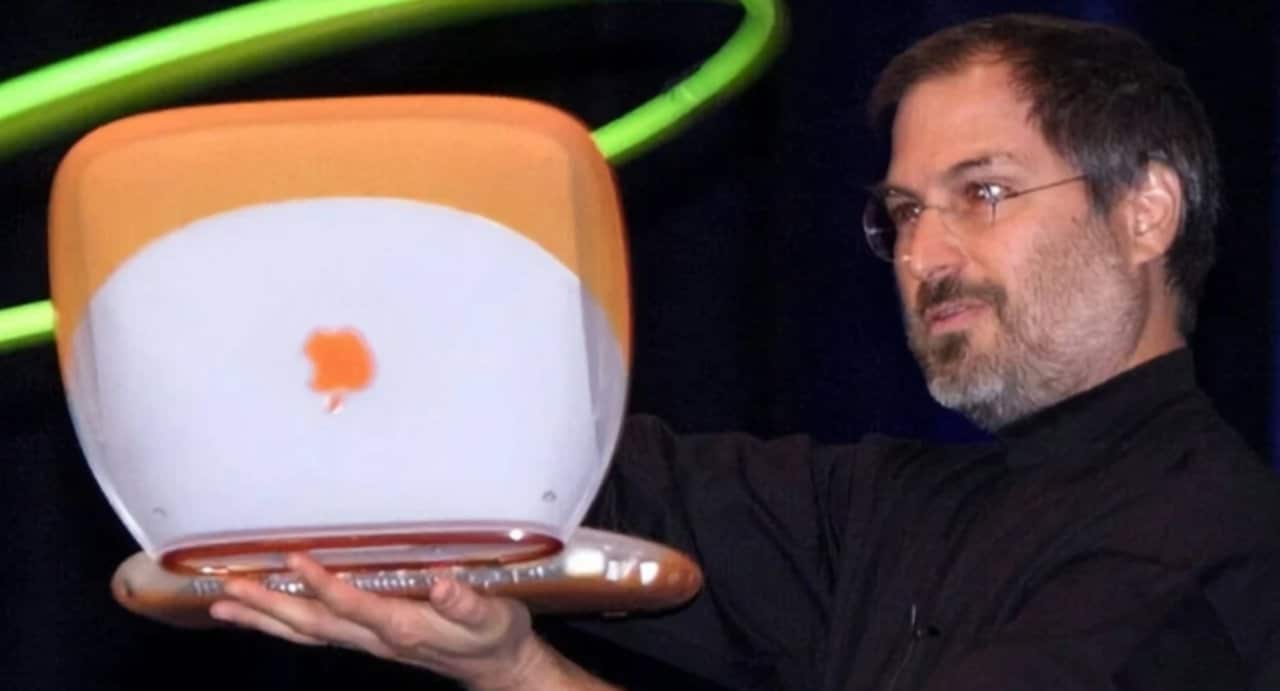
The release of this historical material, made by the former engineer of Apple Akira Nonaka, celebrates a period of intense innovation and rescue in the company. Gravado just a week after the launch of the iBook, Apple’s first consumer laptop with wireless connectivity, Jobs’s speech to employees highlights the audacity behind the decision.
At that time, wireless connectivity was not yet an industry standard and faced considerable resistance. Jobs, with characteristic clarity, explained that the lack of compatibility with the Windows operating system was the main obstacle to mass adoption by other manufacturers.
The Apple initiative, therefore, not only demonstrated a technological bet, but also a unique ability to dictate trends, shaping the future of personal electronic devices and directly influencing the way the world would connect in the following decades.
Recovering a historic moment
The recording, made public in celebration of Apple’s 50th anniversary, harks back to a period when the company was rebuilding itself under the leadership of Jobs. The video serves as a reminder of the challenging context in which high-impact strategic decisions were made, redefining the company’s path.
In this speech, Jobs emphasized that Apple did not invent Wi-Fi, but had the courage to apply it to consumer products. Ele highlighted that the technology had been available for a while, waiting for someone to implement it in an effective and accessible way for common users.
The boldness of Apple in integrating the Wi-Fi
The main difference between Apple and its competitors was the willingness of Cupertino’s company to proactively incorporate emerging technologies into its products. Enquanto other major PC manufacturers waited for software support from Microsoft to begin production of compatible hardware, Apple acted independently.
This scenario of caution on the part of the competition opened a window of strategic opportunity for Apple. The company understood that innovation often requires breaking paradigms and taking calculated risks, especially in a market dominated by conservative practices.
The bet on Wi-Fi was not just a technological choice, but a manifesto of Apple’s philosophy of anticipating consumer needs, even if it meant following a different path than the rest of the industry.
Industry receptivity and resistance of Microsoft
Skepticism towards Wi-Fi wasn’t just limited to hardware manufacturers. Steve Jobs revealed in the video that Microsoft itself viewed the integration of Wi-Fi as a lower priority, focusing on more pressing issues related to its vast user base and fixing existing bugs.
“If you go to Microsoft, they will say that our user base is not big enough. Temos 38 million software bugs that need to be fixed, but that is the lowest priority,” said
This stance by Microsoft reinforced the perception that, for the traditional industry, the inclusion of new technologies depended on prior consensus and broad market support, which, in the case of Wi-Fi, was still under development.
Apple’s decision, therefore, was not just a technological move, but an audacious positioning in the market, which challenged the hegemony and conventional practices of the time. By investing in the Wi-Fi, Apple sought to create a significant competitive advantage.
Iconic demonstration and strategic partnerships
The launch of the iBook and demonstration of the Wi-Fi by Steve Jobs at the MacWorld conference in Nova York in July 1999 became one of the most iconic moments in the history of Jobs surprised the audience by passing the iBook through a loop, proving that a wired connection was unnecessary for browsing the internet. Esse event shocked those present and solidified the image of Apple as a visionary company.
The decision to integrate wireless technology into the iBook, later launched under the Airport brand, had its starting point in a crucial meeting between Jobs and the Lucent Technologies team in 1998.
The return of Jobs and the transformation of Apple
The 1999 videotaped speech offers a rare look at a side of Steve Jobs that often differed from his better-known public image. Naquele period, he had returned to Apple just two years earlier and was in the early stages of rebuilding the company from near bankruptcy, serving as interim CEO. Apple, which would become the manufacturer of the iPhone, was already showing signs of recovery, recording profits for seven consecutive quarters and earning US$200 million in the previous year. Jobs expressed that his return was not just to “save Apple”, but to make it “great again”, an opportunity he felt had arrived. Ele promised employees that the products released in the coming years would be “incredibly amazing,” the best he had ever seen. Entre these launches were the Apple Cinema Display, the new generation of iMac and the Power Mac, all introduced just a month after his inspiring keynote, paving the way for the company’s golden age of innovation.
Lasting legacy and exponential growth
The contrast between Apple’s past and present is truly impressive and reflects the realization of Jobs’s vision. Enquanto in 1998, Apple’s annual revenue was US$200 million, in the first quarter of 2026, the company reached revenue of US$143.8 billion. Este jump represents a 719-fold increase in just one quarter, compared to annual revenue in 1998, demonstrating the colossal impact of decisions made almost three decades ago and the strength of a culture of innovation that Jobs helped to consolidate.



