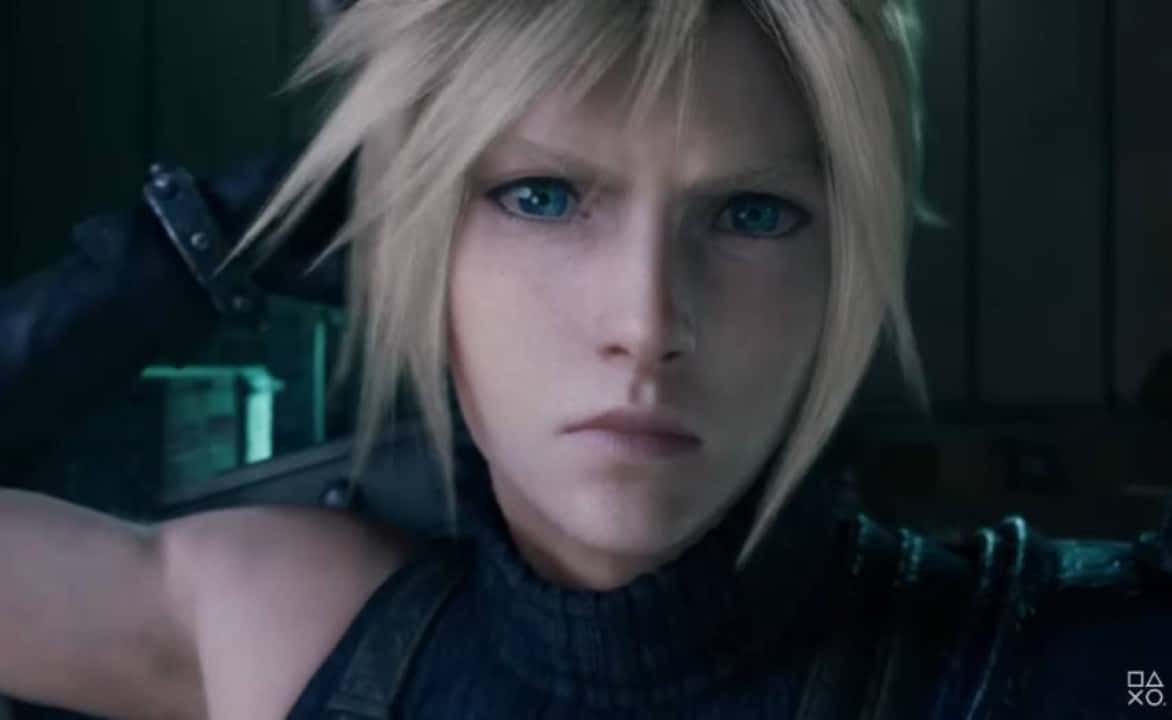
Japanese producer Square Enix has confirmed a substantial change in its distribution strategy for the long-awaited conclusion of the Final Fantasy VII Remake trilogy. The third and final chapter of the saga will abandon the temporary exclusivity model adopted in the previous two games. The decision establishes that the title will arrive simultaneously on PlayStation 5, Xbox Series X|S consoles and also on computers.
This move represents a paradigm shift in the historical relationship between the franchise and Sony, which held early release rights since the beginning of the project. The change of route comes after the company carried out an in-depth analysis of the commercial performance of its recent launches in the global digital entertainment market.

The developer’s main objective is to maximize the reach of the work, allowing players from different ecosystems to access the narrative’s outcome on the same day. The measure aims to recover the profitability of high-budget productions, known as AAA, which require a massive volume of sales to cover rising development costs.
New commercial guideline from the producer
The change in the launch format is part of Square Enix’s recent business plan, internally named “Reboot and Awaken”. The strategic document, presented to investors, outlines an aggressive transition to the multiplatform model. The company recognized that restricting initial access to a single hardware base severely limited the revenue potential of its core intellectual properties.
The sales performance of Final Fantasy VII Rebirth and Final Fantasy XVI served as the catalyst for this restructuring. Although both titles received acclaim from specialized critics, the number of copies sold did not reach the company’s most optimistic internal projections. Exclusivity on PlayStation 5 has proven to be a rigid commercial ceiling in an economic scenario where game production costs exceed hundreds of millions of dollars.
By expanding availability to the Xbox Series X|S and PC from day one, Square Enix seeks to mitigate the financial risks associated with prolonged development. The staggered launch strategy, which previously generated a second wave of sales months or years later, lost effectiveness in the face of the rapid devaluation of games and the change in consumer behavior.
The company’s management established that the focus now is to build an environment where as many users as possible can interact with their virtual universes simultaneously. Essa approach eliminates the frustration of part of the community that was waiting for exclusivity contracts to end, converting this audience into immediate buyers at the moment of launch.
Technical evolution and exploration of the world
On the technological side, the development team led by Naoki Hamaguchi and Yoshinori Kitase is preparing significant leaps forward to complete Cloud Strife’s journey. Production must use the latest Unreal Engine tools, optimizing the code specifically to extract the most from the SSD storage units present in current generation consoles and modern computers. Essa hardware architecture allows for the near total elimination of loading screens, a key factor in the promise of a truly seamless and expansive world.
The main mechanical innovation confirmed for the third game is the implementation of the Highwind aircraft, which will offer players the ability to fly freely over the global map. Diferente Despite the limitations imposed in previous chapters, aerial exploration will require high-speed, large-scale scene rendering. The combat system will also undergo refinements, integrating new synergies between characters and expanding tactical options, maintaining the fusion between real-time action and strategic commands that defined the identity of this recreation.
The end of the era of third-party exclusivities
Square Enix’s decision reflects a structural transformation across the video game industry, where the exclusivity model for games from independent producers has become financially unsustainable. With market consolidation and aggressive moves by competitors, such as Activision Blizzard’s acquisition of Microsoft and the expansion of the Game Pass service, software companies need to ensure their products are available where gamers prefer to consume. Sony, traditional partner of Square Enix, has also adapted its stance, bringing its own original titles to computers with increasingly smaller time windows. In the Nesse scenario, keeping a game of the scope of Final Fantasy VII restricted to a single platform means giving up a considerable share of consumers in crucial markets, such as América, The transition to simultaneous multiplatform release ensures that the global marketing campaign reaches all potential buyers at once, maximizing the return on advertising investment and avoiding the dilution of public interest that occurs when a game arrives on a new console years after its original release.
Recreate Distribution History
The project to recreate the 1997 classic began its commercial trajectory under a strict partnership model with the PlayStation manufacturer. The first Final Fantasy VII
This fragmentation generated erosion in the relationship with the fan base on other platforms. Quando Final Fantasy VII The absence of a gigantic installed base, comparable to that of the PlayStation 4 at its peak, limited the initial traction of the second chapter.
The change of stance for the third part aims to correct this course and unify the community around the launch event. Square Enix understood that the value of an exclusivity contract no longer compensates for lost sales in the PC ecosystem and on Microsoft’s consoles, marking a mature evolution in the management of its franchises.
Current production stage
Development of the final chapter is in an active phase, with the main team focused on completing the script and recording voices. The producers indicated that the fundamental structure of the game is already established, allowing work to progress more efficiently compared to the early stages of Rebirth.
The reuse of graphic resources and familiarity with creation tools should speed up the production process. The developer’s internal goal is to deliver a narrative conclusion that respects the legacy of the original work, while at the same time offering resolutions to the new mysteries introduced throughout this trilogy.
New standard for the RPG market
The simultaneous release of the Final Fantasy VII denouement will establish a new operational standard for future Square Enix projects. The company signals that its next major RPG productions will follow the same multiplatform guideline, ensuring that accessibility and financial sustainability go hand in hand in the new era of digital entertainment.
