
Take-Two removes ads from new Grand Theft Auto and sets premium price for launch By Jeronimo Santos
6 min read
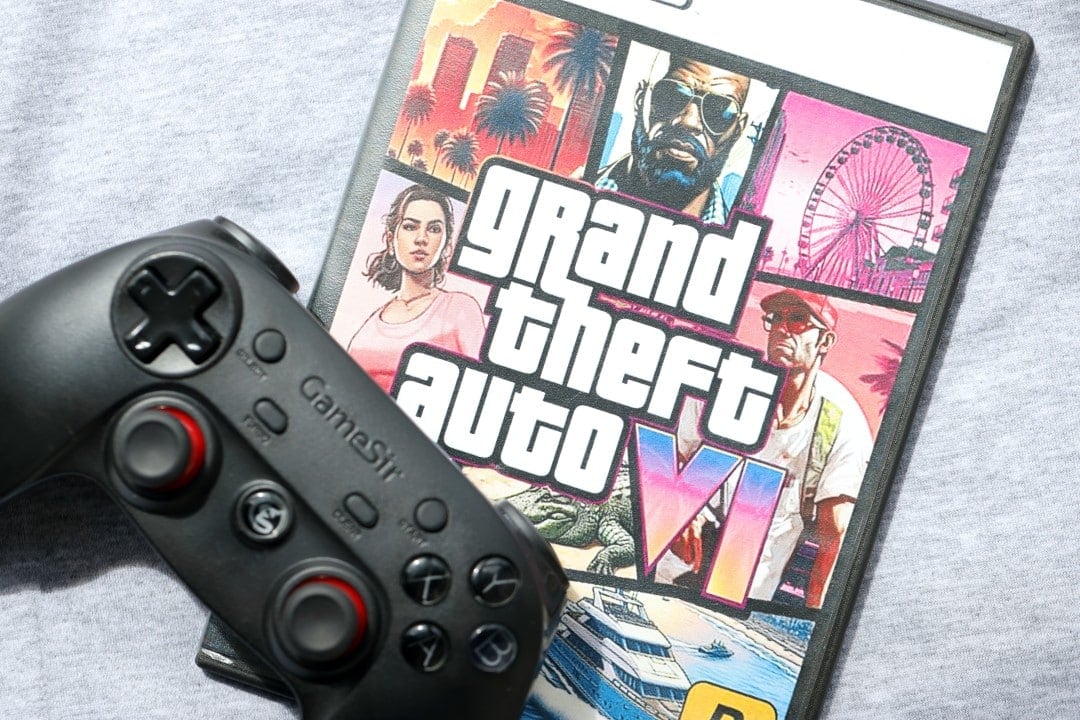 |
Take-Two Interactive has confirmed a substantial change in the way the next title in the Grand Theft Auto franchise will be marketed and monetized. The company decided to eliminate the presence of intrusive advertisements within the game, opting for an approach focused on total user immersion. In return, the publisher established a price range higher than the historical standard, setting the launch price between 70 and 80 dollars on the international market. The measure directly affects users of current generation consoles, specifically the PlayStation 5 and the Xbox Series X/S, exclusive platforms for the product’s arrival.
Publisher’s commercial strategy for the new title
The decision to raise the game’s initial cost reflects a broader movement within the digital entertainment industry. Nos In recent years, several companies have begun to transition from a base price of 60 to 70 dollars, justifying the increase with rising production costs. The Take-Two was one of the pioneers in this transition and is now testing a new ceiling for very high-budget products.

The value stipulated for the new Grand Theft Auto positions the product in the premium consumer goods category within the technology sector. The company’s internal justification is based on the number of hours of content offered and the expected longevity of the title. The electronic games market watches this pricing carefully, as the success of this strategy could redefine charging patterns for future large releases.
Financial analysts point out that the installed base of new generation consoles is already robust enough to sustain massive sales, even with their higher value. Revenue expectations in the first twenty-four hours of availability in digital and physical stores are projected to break historic industry records.
The pricing policy also varies according to the region, undergoing adaptations based on local taxes and exchange rate fluctuations. Consumidores in emerging markets feel the pass-through more acutely, which requires companies to use price localization strategies to avoid piracy and encourage adoption in the gray market.
Changing Indoor Advertising Approach
Removing direct ads from the game’s virtual environment represents a design choice focused on user experience. In previous titles and games from competing companies, the insertion of real brands or dynamic advertisements on virtual billboards has become an additional source of revenue. Developer Rockstar Games chose to maintain the franchise’s signature satire, creating fictional brands rather than selling advertising space to real-world corporations.
This choice eliminates the break in immersion that often occurs when elements from the physical world invade fictional narratives. The construction of the state of Leonida, an environment inspired by Flórida where the plot unfolds, requires rigorous visual and thematic cohesion. The presence of real advertisements could compromise the critical and humorous tone that has defined the series’ identity since its first releases in three dimensions.
Development costs and financial return
The budget allocated for the creation of this project is estimated to be one of the largest in the history of entertainment, surpassing cinematographic productions from major studios. Development encompassed years of research, motion capture, voice recording, and advanced artificial intelligence programming for the non-playable characters. The premium price charged at the time of purchase serves to mitigate the financial risks assumed by the publisher during the long production cycle.
The profitability of the project does not depend exclusively on initial sales. The company’s business model envisages a long tail of revenue, supported by continuous sales of copies over a decade and the introduction of a robust multiplayer component. The absence of in-game advertisements is compensated by the expectation of prolonged engagement from users, who tend to invest in additional content and virtual currencies within the game’s ecosystem.
The franchise’s history demonstrates its unique ability to retain audiences. The previous title remained on the best-selling game lists for more than ten years, spanning three different generations of consoles. Take-Two projects similar behavior for the new release, structuring its corporate finances around the ongoing cash flow generated by this intellectual property.
Consumer market expectations
The gaming community has mixed reactions to the new price level. Fóruns discussion and video platforms focus debates on the perceived value of the product. A significant portion of consumers accept the high cost, arguing that the technical quality and density of the open world justify the investment. Outro group expresses concern about the inaccessibility of digital entertainment, especially in countries with currencies that are devalued in relation to the dollar.
The requirement for technical polish and the absence of programming flaws on launch day increases proportionally to the price charged. The developer faces the pressure of delivering an optimized product, avoiding the performance issues that have marked other major recent industry launches. The public’s tolerance for technical errors decreases drastically when the product is positioned in the eighty dollar range.
Franchise positioning in the entertainment industry
Grand Theft Auto transcends the electronic game category to occupy a relevant space in global pop culture. The launch of a new chapter in the series acts as a cultural event, paralyzing other sectors of the entertainment industry. Estúdios Movie and music producers often adjust their release schedules to avoid direct competition with the game’s arrival on shelves.
Take-Two’s strategy of charging a higher price reflects confidence in the brand’s weight. The company understands that it has a product with inelastic demand, where increasing the price has a minimal impact on the purchase intention of the dedicated fan base. Essa virtual monopoly position within the open-world action genre allows the publisher to dictate commercial rules without the immediate fear of losing space to competition.
Technical details and hardware requirements
The exclusive focus on the PlayStation 5 and Xbox Series X/S consoles allows programmers to utilize the maximum processing power and fast storage of these machines. The decision not to release versions for older hardware ensures that the game’s design is not limited by technological bottlenecks. Elementos such as street population density, traffic simulation, and dynamic weather effects require a hardware infrastructure that only the current generation can provide in a stable manner.
The architecture of the new consoles also facilitates the implementation of global illumination and ray tracing technologies, providing unprecedented photorealism to the game’s urban and rural environments. The cost of eighty dollars includes financing this research and technological development, which often serves as the basis for other company projects in the future.
Post-launch monetization dynamics
Although traditional advertising has been discarded from the campaign mode, the game’s monetization will continue through its online aspect. Selling access to cosmetic items, virtual vehicles, and in-game properties forms the backbone of long-term financial planning. Esse format has proven to be highly profitable in the past and will be refined for the new virtual environment.
The transition from an ad model to a voluntary microtransaction model aligns with modern digital consumer preferences. Users prefer to have the option to invest real money in tangible virtual goods within the game ecosystem rather than having their experience interrupted by external brands. Take-Two calibrates this virtual economy to ensure that progress is possible without additional payments, while maintaining the necessary balance to not alienate the casual player base.
…











