

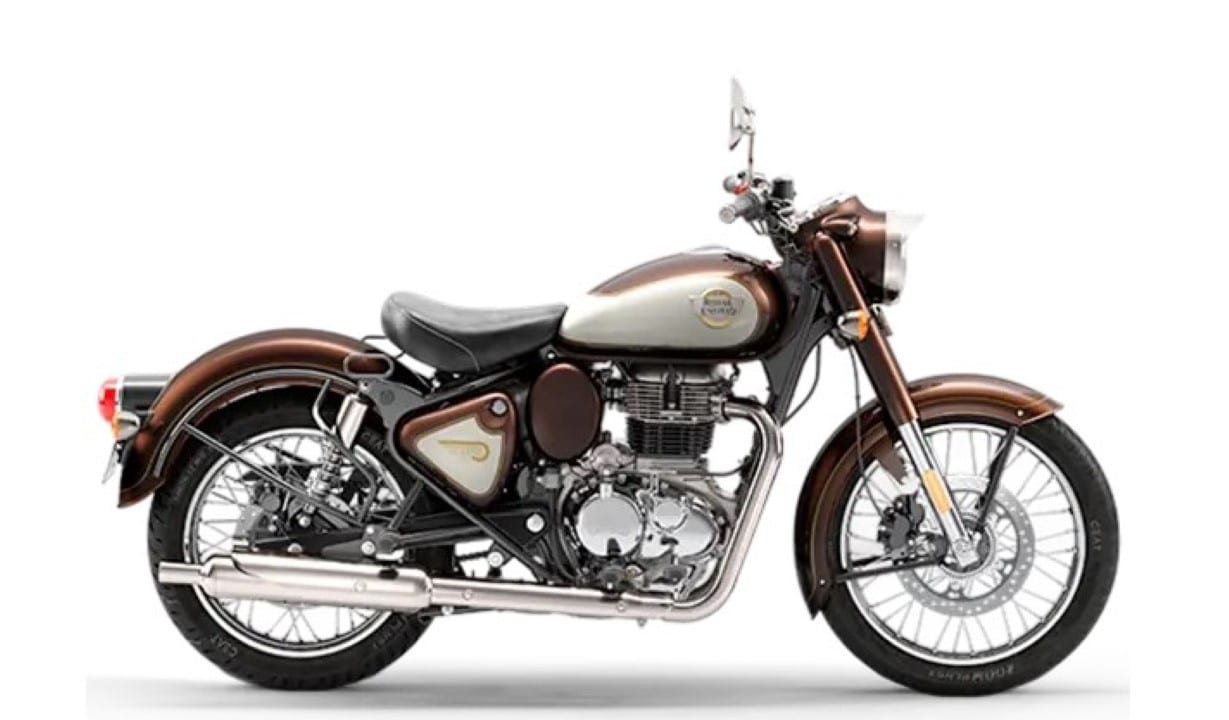
The motorcycle manufacturer Royal Enfield registered the sale of 91,248 units on the domestic market during the month of February. The volume of registrations represents a growth of 13% compared to the same period of the previous year, when the brand’s dealership network recorded 80,799 official registrations.
The operating result consolidates the manufacturer’s position in the medium-displacement segment, directly driven by the high acceptance of its entry-level models. The strategy focused on affordable motorcycles with a classic design demonstrates immediate effectiveness in monthly registration numbers, ensuring a constant flow of new consumers for the brand.
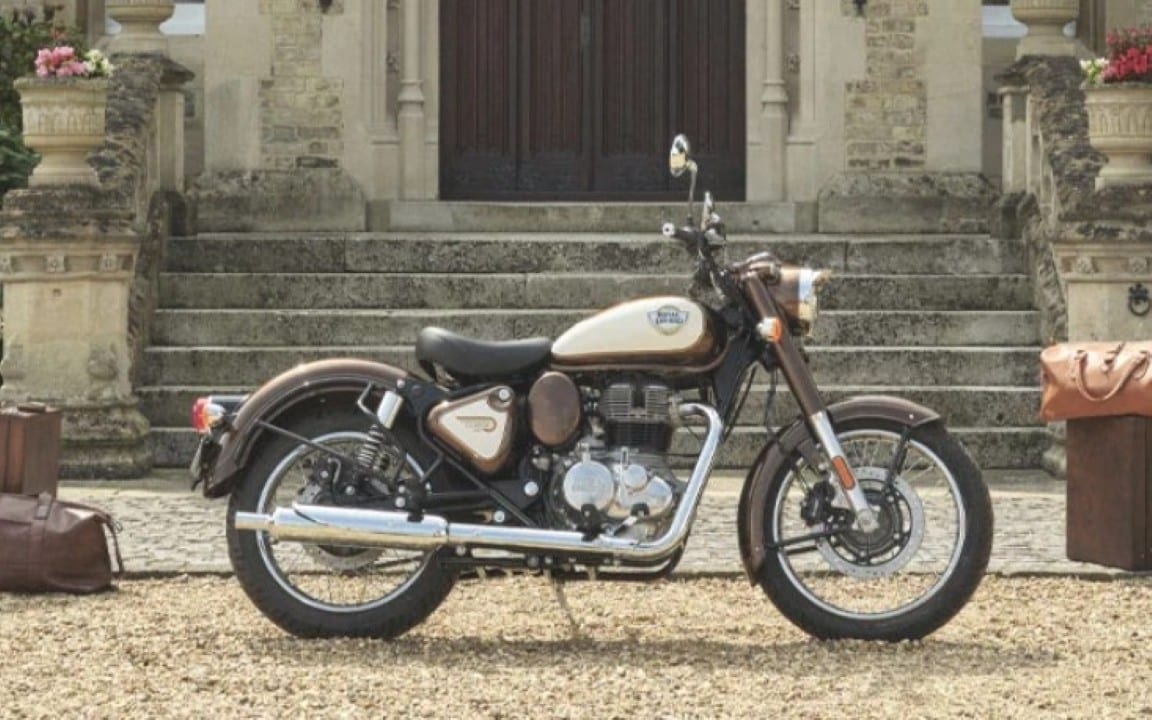
The product line equipped with 350-cylinder engines was mainly responsible for this sales volume. Essa specific category accounted for more than 93% of all internal negotiations at the automaker in the period analyzed.
The commercial performance reinforces consumers’ current preference for two-wheeled vehicles that combine traditional aesthetics and updated mechanics. The main factors motivating this choice include:
– Necessidade of agile movement on congested urban roads
– Busca for fuel savings on daily journeys
– Preferência for comfortable ergonomics on short distance trips
– Valorização of projects with simplified and accessible maintenance
Commercial performance and leadership of the Classic 350 model
The Classic 350 model maintained its position as the best-selling product in the manufacturer’s portfolio, reaching 34,307 units sold during this period. The trading volume represents an increase of 12% compared to the same month of the previous year.
The motorcycle attracts consumers looking for a nostalgic look combined with modern engineering components. The recent update to the 349-cid J series engine provided smoother, more linear operation, a factor that is decisive in purchasing decisions in stores.
The revised chassis and improved ergonomics also contributed to this particular model’s continued leadership in the classic category. The manufacturer invested in structural improvements that reduce vibrations at cruising speeds, meeting a long-standing technical demand from users.
Expansion of the consumer public through the Hunter 350 line
The Hunter 350 emerged as the second most sought after model at dealerships, with 20,234 units sold and a significant increase of 22% year-on-year. The vehicle was designed with a distinct geometry, focused on urban mobility and agility in intense traffic conditions.
Exclusive technical specifications were incorporated to differentiate the model from the rest of the classic line. The adoption of smaller wheels makes quick changes of direction easier, while the reduced overall weight makes riding more accessible for beginner motorcyclists.
The sportier riding position offers completely different driving dynamics to its platform siblings. Este profile attracted a demographically younger audience, who previously had not considered purchasing a motorcycle with the manufacturer’s emblem.
The strategy of offering a lighter product with a highly competitive entry price proved to be a commercial success. The automaker’s market share grew significantly among newly qualified drivers and users looking for their first medium-displacement motorcycle.
Consolidation of lines Bullet and Meteor in the domestic market
The traditional Bullet 350 also presented robust numbers, with 21,821 units sold and a 13% increase in its sales volume. The model carries the brand’s historical heritage and attracts a purist consumer profile, who values aesthetics unchanged over the decades, but demands the mechanical reliability of contemporary injected engines. The preservation of iconic visual elements, combined with the modernization of the powertrain, guarantees the product’s relevance in a market highly contested by Asian and European automakers.
At the same time, the Meteor 350 road registered 8,817 registrations, marking an increase of 22% compared to the previous year. Somados, all models in the 350-cylinder family reached 85,179 units, consolidating the manufacturer’s absolute dominance in this specific engine range. The standardization of the mechanical platform between these four models allows significant optimization in the assembly line, reducing production costs and ensuring the profitability of the company’s commercial operations in the two-wheel sector.
Dynamics of the high-displacement segment and decline of larger models
In contrast to the advance of entry-level models, the segment of motorcycles equipped with 650 cc engines, which encompasses the Interceptor and Continental GT lines, showed a decline in sales volume during the month of February. Produtos with higher added value are naturally more sensitive to economic fluctuations and seasonal factors.
Despite occasional drops in registration records, the company continues to invest in the twin-cylinder platform to retain customers looking for a natural progression after starting out in the world of two wheels with the 350cc models. Corporate strategy involves maintaining a diverse portfolio to ensure consumers remain within the brand’s ecosystem.
Pricing strategy and maintenance of competitiveness in the sector
To sustain the accelerated pace of growth and maintain the attractiveness of its products in store windows, the manufacturer adopted an aggressive pricing policy, absorbing part of the logistics and production costs so as not to pass on all the adjustments to the end consumer. Offering motorcycles with a refined finish, reliable electronic injection technology and standard ABS brakes for a price close to that of competitive smaller-displacement utility models has created a competitive advantage that will be difficult for rival brands to replicate in the short term. The efficient management of the supply chain and the nationalization of specific components allowed the optimization of the operation’s profit margins, even in a scenario of global inflationary pressure on raw materials such as steel and aluminum. Esta approach guarantees long-term commercial viability and strengthens the perception of cost-benefit among buyers, who rigorously evaluate resale value and maintenance costs before closing a deal at dealerships.
Adaptation of production capacity to meet variations in demand
Faced with the substantial increase in demand for medium-displacement models, the automaker needed to make quick adjustments to its assembly lines to avoid long waiting lines at authorized dealerships. The flexibility of the industrial park allowed the directing of a greater quantity of parts and specialized labor for the intensive production of the Classic and Hunter lines, minimizing production bottlenecks and ensuring the availability of stock for prompt delivery.
Strengthening the dealership network and customer service
After-sales support has received special attention from operational management, with the expansion of the network of authorized workshops and continuous training of technicians responsible for maintenance. The immediate availability of spare parts and the standardization of periodic inspection services are fundamental elements for retaining the new customer base that has joined the brand.
Proper structuring of technical service guarantees the longevity of the vehicles sold and strengthens the manufacturer’s reputation in the national market. Constant monitoring of satisfaction rates guides the company’s quality guidelines, ensuring that growth in sales volume is accompanied by efficient and reliable logistical support.



