

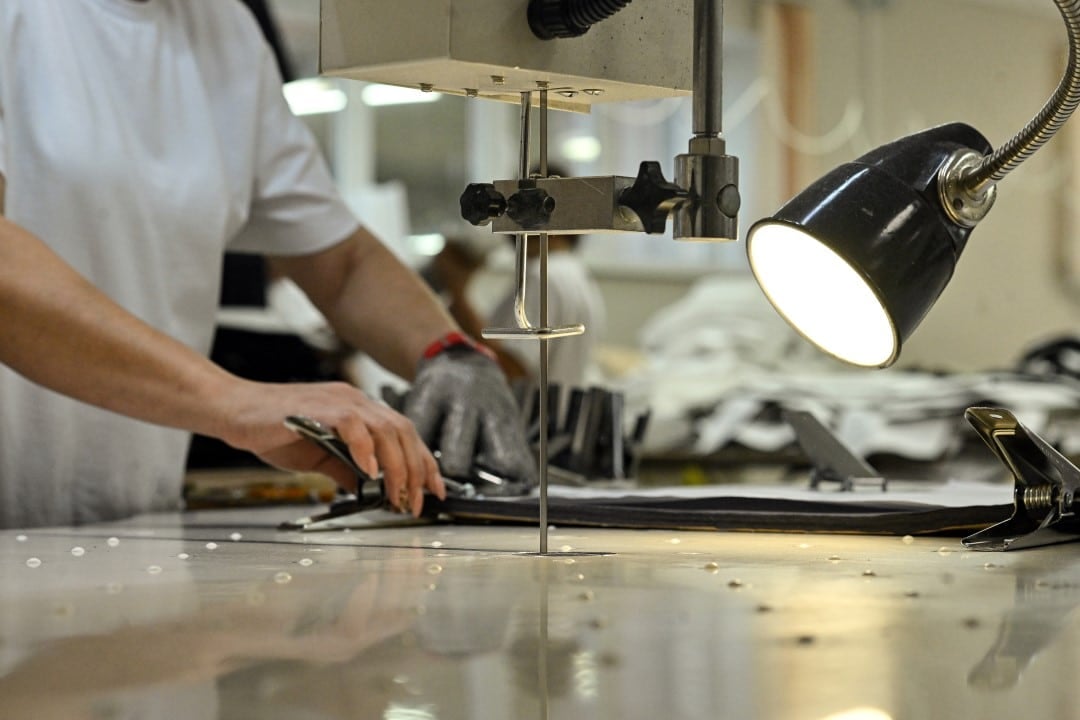
Small Chinese factories face increasing pressures in their daily operations due to the challenging international environment. The contrast between official declarations of economic stability and the lived reality of these smaller businesses becomes evident in traditional manufacturing regions. A toy factory manager in Yiwu, Zhejiang province, has halved the number of employees in recent months. Ele now operates with around 100 employees, after necessary adjustments to maintain activity.
The manager reported that he only seeks to sustain a modest business to provide stable family income. However, external conditions have become more stringent, directly affecting operating costs and profit margins. Essas small units, which represent a significant portion of the country’s production capacity, deal with increases in input and logistics expenses. The situation reflects broader challenges in the smaller-scale manufacturing sector.
Impact on daily operations of smaller industries
Small Chinese factories adjust production routines to deal with financial constraints. Reduções personnel and production cuts have become common in segments such as consumer goods and light components.
These adjustments occur while the government maintains messages of confidence in the economy’s resilience. Recent statements by Premier Li Qiang, made during meetings with international executives in Pequim, reinforced the commitment to stability.
Despite this, field reports indicate that the external environment directly influences investment and hiring decisions in these companies.
Logistics and supply chain challenges
Small industries rely heavily on exports to maintain cash flow. Aumento in transportation costs and variations in international tariffs complicate planning.
Empresas de Zhejiang e outras regiões costeiras registram margens mais estreitas em pedidos de bens manufaturados. The need to renegotiate contracts with suppliers and customers becomes frequent.
Some owners mention that global competition demands greater efficiency, but limited resources make it difficult to adapt quickly.
Responses from authorities and sector perspectives
Central authorities emphasize measures to support sustainable economic development. Public statements highlight the focus on stable growth and controlled opening.
Small manufacturers await concrete signs of relief in operating costs. The continuity of operations depends on internal adjustments and possible targeted incentives.
The manufacturing sector as a whole seeks to diversify markets, but smaller units face greater barriers in this transition.
Strategies adopted by local managers
Small factory managers implement strict spending controls to preserve viability. Reduções temporary shifts and inventory optimization are part of current routines.
These measures aim to get through the period of greatest pressure without compromising the quality of the products. The focus remains on maintaining relationships with traditional buyers.
The accumulated experience allows these businesses to identify niches where they can still compete.
Effects on the workforce and production
The reduction of staff affects communities dependent on local industrial activity. Trabalhadores qualified people seek relocation to more stable sectors or larger companies.
Factories that remain active focus their efforts on orders with higher margins or more flexible deadlines. Total production on some lines has decreased to align with effective demand.
These movements reflect continued adaptation to volatile conditions in foreign trade.
Broader context of the manufacturing environment
The small factory sector has been part of global supply chains for decades. Mudanças recent events on the international scene require greater agility in risk management.
Consumer goods companies, such as toys and soft goods, feel the effects more directly due to price sensitivity. The ability to absorb external shocks varies depending on the size and specialization of each unit.
Maintaining productive activity remains a priority for these family or small-scale enterprises.
Internal measures to support business
Owners invest in quality control and energy efficiency to reduce fixed expenses. Negociações diretas com fornecedores locais ajudam a conter aumentos de matéria-prima.
The preservation of technical know-how allows factories to maintain standards required by external markets. Esses efforts complement the general economic policy guidelines.
The resilience demonstrated by many managers reflects years of experience in business cycles.
Small Chinese factories continue to operate under restricted conditions, adjusting processes and staffing as necessary. Official declarations of commitment to stability coexist with practical accounts of everyday challenges. The sector is looking for ways to preserve jobs and production on a reduced scale. The evolution of international conditions will continue to influence decisions in these production units.



