
Square Enix defines simultaneous arrival of the last chapter of Final Fantasy VII on multiple consoles

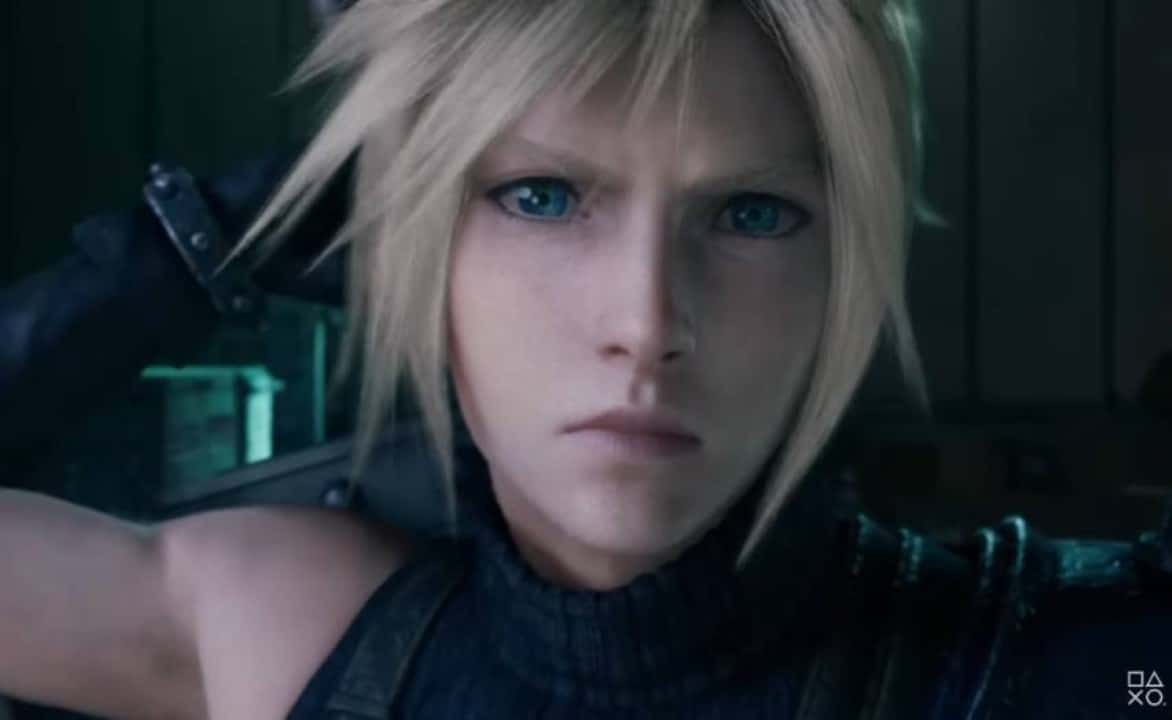
Square Enix has established a new guideline for the release of the long-awaited conclusion to the Final Fantasy VII trilogy. The company confirmed that the third and final chapter of the saga will arrive simultaneously on PlayStation 5, Xbox Series X|S consoles and also on computers.
The decision marks a profound change in the distribution model adopted by the Japanese publisher in recent years. The first two titles in the classic RPG recreation project operated under temporary exclusivity contracts with Sony, restricting initial access to PlayStation platform owners only.

The movement towards multiplatform launch reflects an adaptation to the current demands of the electronic games market. Simultaneous availability aims to ensure that the installed base of different ecosystems has access to the story’s outcome on the same day, eliminating the waiting window that generated fragmentation in the gaming community.
Change in the developer’s commercial strategy
The transition from an exclusivity model to a multi-platform approach is part of Square Enix’s broader business restructuring plan. The company identified that limiting its main releases to a single console reduced the potential for organic reach and limited the brand’s penetration in markets where other platforms have greater traction. The new internal policy prioritizes maximizing the user base from the first day of sales, diluting the risks associated with the launch of high-budget productions.
The development of AAA-rated games has reached cost levels that require a significant sales volume to guarantee the financial sustainability of the studios. By including the Microsoft ecosystem and broad computer audience in the initial launch schedule, the publisher projects an accelerated return on investment. Essa strategy also mitigates dependence on exclusive commercial agreements, allowing the company to have greater control over revenue projections and the global distribution of its software.
Franchise release history
The project to recreate the original 1997 title began in 2020 with the arrival of Final Fantasy VII Remake. On Naquela occasion, the software was made available only for the PlayStation 4, later receiving an improved version for the PlayStation 5 and, months later, an adaptation for computers.
The second part of the trilogy, titled Final Fantasy VII
The franchise’s historic absence on Microsoft consoles during launch periods generated constant debate in the industry. The confirmation of the third chapter for Xbox Series X|S ends this cycle of restrictions and aligns the series with the developer’s new corporate vision.
Production costs and sustainability
The electronic games industry is going through a period of escalating development costs. Creating complex virtual worlds, with high-fidelity graphics and extensive narratives, requires teams made up of hundreds of professionals working over several years.
For Square Enix, the investment allocated to the recreation of Final Fantasy VII represents one of the largest financial commitments in its history. The need to recover this capital efficiently made temporary exclusivity a less attractive model given the current economic reality.
The sale of copies on multiple fronts simultaneously acts as a commercial security mechanism. Spreading the launch across different digital stores and physical retail chains increases product visibility and drives initial engagement.
Furthermore, the presence in the computer market since day one meets a growing demand from gamers who prefer this platform. The PC segment has demonstrated continuous growth in revenue, becoming a fundamental pillar for the success of large Japanese franchises in the West.
Technical challenges of cross-platform development
The software engineering required to deliver a game of massive proportions on different hardware simultaneously imposes considerable technical hurdles for the development team. The Square Enix needs to optimize the source code to extract maximum performance from the PlayStation 5 architecture, while adapting the graphics engine to handle the specifics of the Xbox ecosystem, which includes both the robust Series X and the Series S, a console with more modest memory and processing specifications. Adicionalmente, the version for computers requires unique scalability and must work stably on a multitude of combinations of video cards, processors and operating systems. Esse process requires the implementation of rigorous quality control routines, stress testing in multiple environments and the creation of compilation tools that allow simultaneous updates. Technical parity between versions is a fundamental requirement to avoid disparities in critical reception and ensure that no group of consumers receives an inferior-performing product.
Integration with the Microsoft ecosystem
The rapprochement between Square Enix and the gaming division of Microsoft marks a turning point in the relationship between the two companies. Executivos from both corporations had been signaling their interest in strengthening commercial ties, aiming to enrich the software catalog available to owners of Xbox consoles.
The arrival of the final chapter of Final Fantasy VII on this platform responds to a long-standing request from the community. The Microsoft engineering team has provided technical support to ensure that the graphics engine transition occurs smoothly, ensuring the use of console-native technologies such as fast loading and optimized rendering.
Global physical and digital distribution
The logistics of launching a multiplatform title require meticulous global coordination. The pressing of discs for different consoles, the printing of inserts and the distribution to retail chains on different continents need to occur in synchrony to avoid information leaks and embargo breaches.
In the digital environment, the server infrastructure of Sony, Microsoft and PC platforms such as Steam or Epic Games Store must be prepared to support massive traffic when the game is unlocked. Square Enix works on time zone alignment and file preloading to ensure a smooth transition on launch day.
Electronic games market expectations
Square Enix’s adoption of simultaneous release sets a precedent that may influence other Asian publishers to review their exclusivity policies. Analistas from the technology sector point out that audience fragmentation is not sustainable in the current macroeconomic scenario, where accessibility and immediate availability are determining factors for consumer engagement. The decision strengthens the perception that the future of digital entertainment is moving towards breaking down barriers between hardware, prioritizing the reach of software above disputes for console market share.



