

One of the survivors of the tragic accident with Césio-137 in Goiânia, Odesson Alves Ferreira, expressed severe criticism of the miniseries “Emergency Ele, who is an activist for the rights of radio accident victims, points out significant distortions in the production’s narrative, released on March 18, and demands greater respect for the memory of the victims and those, like him, who survived the 1987 episode. The controversy reignites the debate about the media representation of painful historical events.
The distortion of historical facts is not just a narrative error, according to Odesson. Ele considers the series’ approach to be profoundly disrespectful of the memory of the fatal victims and those who, even surviving, face lasting consequences from radioactive contamination. Fictionalization for commercial purposes, according to him, compromises the veracity of the story.
This is not the first time that productions based on real events have faced questions about historical fidelity. Contudo, in the case of Césio-137, the severity of the event and the prolonged suffering of those involved amplify the need for a careful and precise approach, requiring sensitivity on the part of producers.
The voice of survivors against the fictional narrative
Odesson Alves Ferreira, who is the brother of Ele ressalta que a história real vivida pelos goianos não necessita de “floreamentos sensacionalistas”, pois foi “trágica por si só”. The search for more “scientific and commercial” elements, according to the activist, commits a “crime against the truth”.
For him, the negligence in research and the lack of commitment to true sources, combined with an “intellectual laziness” on the part of producers, demonstrate an unacceptable disregard. The result, he warns, is the construction of a “false collective memory”. Odesson emphasizes the importance of historical truth and the need to protect memory to avoid repeating past mistakes.
Distortions and impacts on collective memory
Transforming victims of an irresponsible system into mere “villains” and minimizing a tragedy of such remarkable proportions to generate an audience is, in Odesson’s view, a serious mistake. Ele points out that this approach not only disrespects real suffering, but also shapes a distorted public perception, with a direct impact on the image of the people involved in the episode, who have become symbols of a collective and individual failure in the handling of dangerous materials. Historical truth, therefore, is a fundamental pillar for understanding events and building a more conscious and vigilant society.
Lack of dialogue with victims
One of the most criticized points by survivors and cultural entities of Goiânia is the lack of dialogue during the development of the project. Associação of Vítimas of Césio-137 states that its members were not consulted to contribute to the script or report their experiences.
The entity’s president, Marcelo Santos Neves, stated that the lack of active listening on the part of the series’ creators results in incomplete versions of the story. Segundo him, the voice of those directly affected is crucial to ensuring the fidelity and depth necessary when portraying a human catastrophe of this magnitude.
This silence, from the association’s perspective, not only deprives the production of important details and nuances, but also alienates key stakeholders who could offer an authentic and invaluable perspective. The partnership with the victims could have enriched the narrative, giving it greater legitimacy and emotional impact.
The Césio-137 accident: a historic rescue
The accident with the Césio-137, which occurred on Goiânia in September 1987, is considered one of the biggest radiological disasters in the world. The tragedy began when two paper collectors found an abandoned radiotherapy machine in a disused clinic. Levando-o to a junkyard, they opened the lead capsule that contained cesium chloride powder, a highly radioactive material.
The shiny, bluish substance fascinated children and adults, who handled it without knowing the deadly danger. Direct contact led to the contamination of hundreds of people. According to official records, four individuals died as a direct result of radiation in the first months after the event, including the girl Leide of Neves Ferreira, who became a symbol of the tragedy.
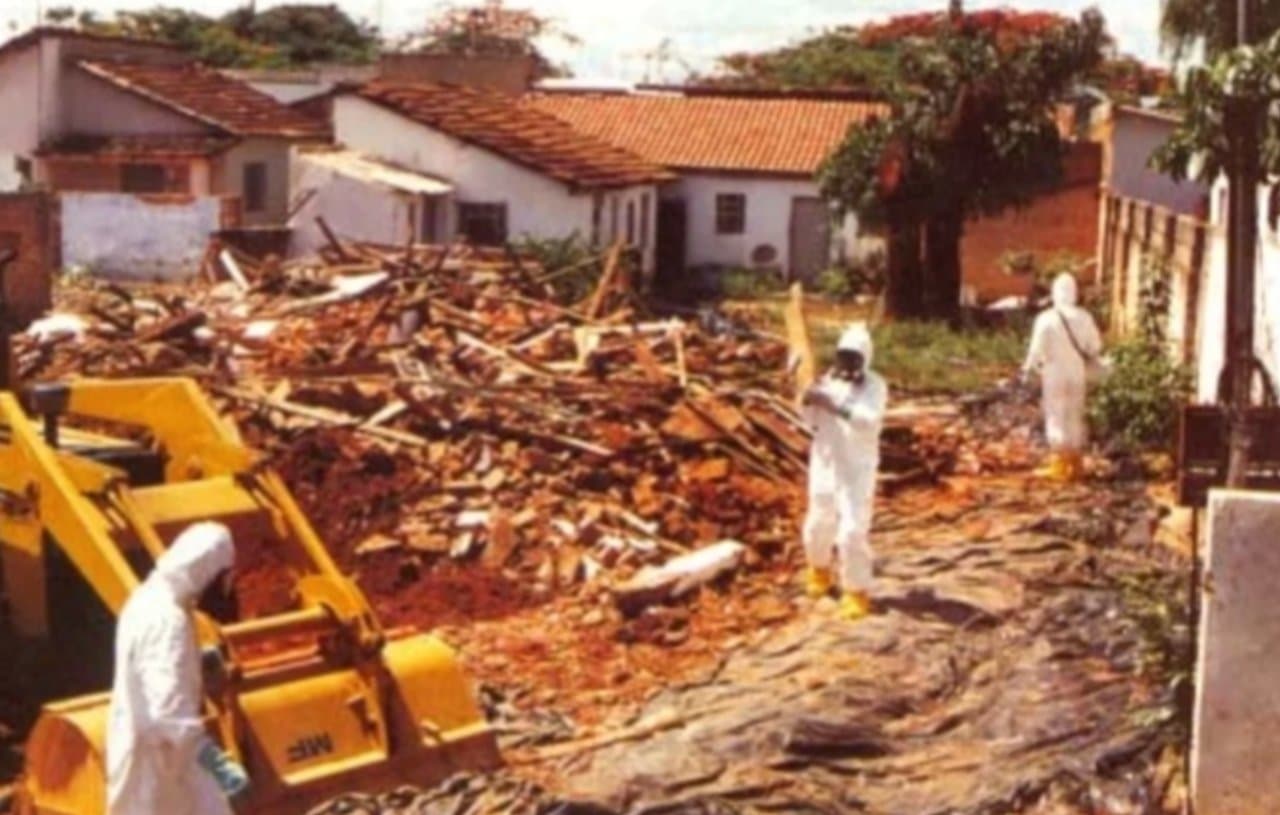
The impacts of the accident were devastating, causing immediate deaths, serious illnesses and health consequences that persist to this day among the survivors, in addition to a profound collective trauma in the capital of Goiás. Mais of a thousand people had their homes and property closed or destroyed due to contamination, with the removal of tons of radioactive waste to a special deposit.
The authorities’ response included a monumental decontamination effort and medical care, but the scale of the disaster highlighted negligence and a lack of preparation to deal with hazardous materials. The memory of Césio-137 serves as a constant reminder of the risks associated with atomic energy and the importance of radiological safety.
The repercussion of the series and the ethical debate
The miniseries “Emergency Radioativa” has generated a broad debate about the responsibility of fictional productions when addressing sensitive historical events. Embora to Netflix presents it as a work “based on real events”, artistic freedom often conflicts with the expectation of loyalty on the part of victims and their families.
This dichotomy raises crucial ethical questions: what is the limit of fiction when it comes to stories that caused real pain and suffering? Is the role of the media, whether journalistic or entertainment, to retell the truth or use the factual basis to create a more engaging narrative, at the risk of distorting memory?
Legacy and the struggle for recognition
The legacy of Césio-137 transcends the immediate tragedy, perpetuating itself in the lives of survivors and in the collective memory of Goiânia and Brasil. The fight for recognition, adequate medical care and reparations remains a daily battle for many. Ativistas and Odesson Alves Ferreira play a vital role in maintaining public attention on the lasting consequences of the accident and defending the rights of those injured in the accident.
The need for accurate and respectful narratives is not only a matter of historical fidelity, but also of dignity for those who bear the scars of an event that could have been avoided. The lessons of Césio-137, about the importance of strict regulation and public education about radioactive risks, remain extremely relevant.
Prevention of radioactive accidents
The Césio-137 tragedy highlighted the imperative need for strict protocols in the handling, transport and disposal of radioactive materials around the world. The regulation and inspection of clinics, laboratories and industries that use such substances are essential to prevent similar accidents from recurring, protecting human life and the environment. Public awareness of the risks and the importance of not handling unknown or suspicious objects are also essential parts of a comprehensive prevention strategy.



