

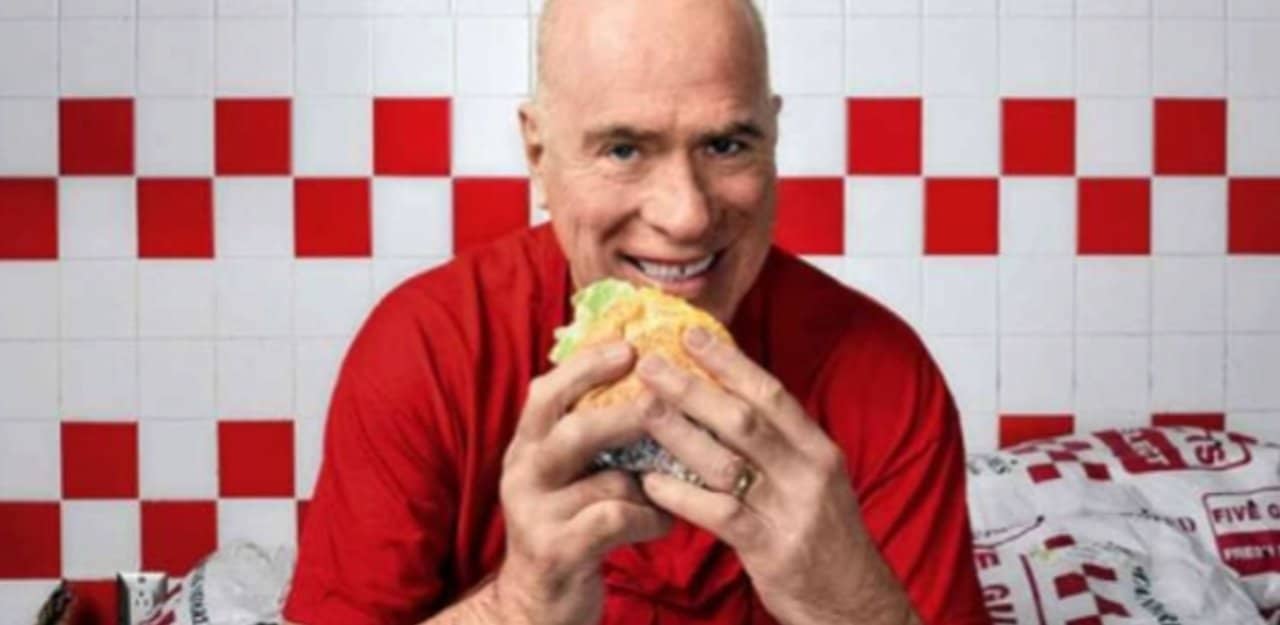
The North American snack bar chain Five Guys adopted an unusual administrative measure to overcome the effects of a marketing campaign that overloaded its logistics operation. The company’s founder, Jerry Murrell, authorized the payment of a financial bonus totaling US$1.5 million to employees working on the front lines of the service units. The decision came shortly after a “buy one, get one” promotion, originally created to celebrate the brand’s anniversary, but which resulted in consumer demand far exceeding the processing capacity of physical stores and digital systems. The unanticipated volume of orders caused service disruptions, rapid depletion of ingredient stocks, and instability in delivery apps, requiring direct intervention from senior management to stabilize the work environment.
The financial transfer was structured in the form of an additional payment of US$1,000 for each store affected by the overload of customers. The initiative’s main objective was to recognize the operational effort of workers during the period of high pressure and avoid demotivation of employees in a sector known for high staff turnover.
To manage the situation, the network’s management established an immediate contingency protocol that involved the following operational steps:
– Suspensão temporary offer on digital channels to contain the uninterrupted flow of online orders.
– Fechamento in advance of units that registered a total lack of basic inputs, such as bread and meat.
– Emissão of an official statement with apologies to consumers frustrated with the instability.
– Remarcação of the promotional campaign under new parameters of inventory control and server capacity.
Dynamics of the anniversary campaign and system failures
The promotional action was launched on February 17th with the premise of offering a free burger when purchasing another, a common strategy in food retail to attract traffic and retain new consumers. However, public participation surpassed all metrics projected by the company’s marketing department for that quarter.
The high concentration of simultaneous accesses caused intermittent failures in the chain’s official application and the online ordering system. Clientes reported difficulties in completing purchases, while the kitchens of the physical units received a load of orders that exceeded the physical limit for preparing food on the plates.
Faced with the rapid depletion of essential products, managers at several branches had to close hours before scheduled business hours. The abrupt interruption of service generated queues outside the stores and an atypical volume of complaints registered on the brand’s customer service channels and social networks.
Administrative decision on financial transfer
The authorization for the payment of the million-dollar bonus came from a direct assessment by Jerry Murrell of the risks of losing talent following the episode of extreme operational stress. In statements to the specialized business press, the executive detailed that the management’s priority was to maintain the team’s loyalty, recognizing that the failure to plan the promotion should not penalize workers who faced direct dissatisfaction from the public at the counter. The amount of US$1.5 million was distributed in a standardized way between the units, ensuring that the teams had tangible compensation for the extraordinary volume of work carried out during the peak hours of the campaign.
The measure illustrates a human resources approach focused on mitigating internal damage during external image crises. By directing capital toward bonusing the employee base rather than focusing solely on consumer-facing damage containment campaigns, Five Guys management set a precedent in the fast-food industry. Corporate management literature frequently points out that the stability of staff in retail operations depends on quick leadership responses in times of systemic failure, preventing physical and mental exhaustion resulting in mass resignations that would paralyze the operation in the long term.
Event restructuring and new service protocols
After the forced closure of the first phase of the promotion, the Five Guys executive team published an official note acknowledging the errors in sizing the campaign. The document detailed the technical reasons for the downtime of computer systems and the lack of ingredients in food courts.
To compensate customers who were unable to redeem the original offer due to logistical bottlenecks, the company announced the relaunch of the anniversary campaign. The new promotional period was scheduled to take place between March 9th and 12th, with adjusted rules.
The restructuring included the implementation of security locks in the digital ordering system, limiting the number of redemptions per hour in each physical unit. Essa technical limitation aims to ensure that the flow of commands remains strictly within the kitchens’ production capacity, avoiding further collapses.
In addition, the chain reinforced the supply chain, increasing the volume of deliveries of fresh meat, bread and potatoes to participating branches days in advance. The objective of the new distribution logistics is to avoid the early closure of stores due to a lack of basic inputs during the new free period.
Donation structure and brand community involvement
The allocation of resources for the well-being of employees is in line with other financial practices adopted by the network since its founding in the North American market. The corporate structure of Five Guys maintains a continuous program of transfers to third sector organizations, allocating 20% of the gross revenue obtained from community events hosted at its facilities to local charities. The business model integrates formal partnerships with nationally recognized entities, such as Big Brothers Big Sisters of America and Paper for Water. Essa corporate social responsibility guideline is maintained as a fixed policy in the company’s annual budget, operating independently of market fluctuations, food inflation or specific operational crises. The maintenance of these transfers, combined with the decision to bonus the internal team during promotional failures, forms part of the brand’s governance scope, which seeks to balance aggressive commercial expansion with the maintenance of a financial support network for both its direct employees and the communities where the snack bars are located.
Command transition and business model continuity
The preservation of human resources and philanthropy policies is directly linked to the company’s succession planning. Atualmente, the administrative structure has the direct participation of members of the founding family in various strategic positions on the board.
With descendants that include 14 grandchildren and 11 great-grandchildren, Jerry Murrell confirmed that a large part of the third generation already works in the daily operations of the snack bar chain. The family insertion aims to ensure that the strict product quality protocols and the guidelines for valuing the base team remain unchanged over the next decades of operation.
Talent retention in the fast food sector
The global fast-food market has historically shown high rates of staff turnover, driven by exhausting working hours and constant pressure for agility in customer service. The immediate financial compensation strategy adopted by Five Guys works as a practical talent retention mechanism, reducing operational costs associated with new recruitment and training processes for employees who could leave the company after episodes of extreme overload at the counter.
Logistics planning for future marketing actions
The gap between the announced offer and the actual service capacity highlighted the need for a more rigorous alignment between the marketing and logistics operations departments. Campanhas on a national scale that involve total or partial free of charge require supply chain stress simulations before being released to the general public in the media.
The experience gained from the failed birthday promotion will serve as the primary database for formulating new network demand forecasting algorithms. The company plans to use updated digital traffic metrics and physical processing capacity to prevent future promotional actions from compromising service stability and the integrity of the kitchen work environment.



