

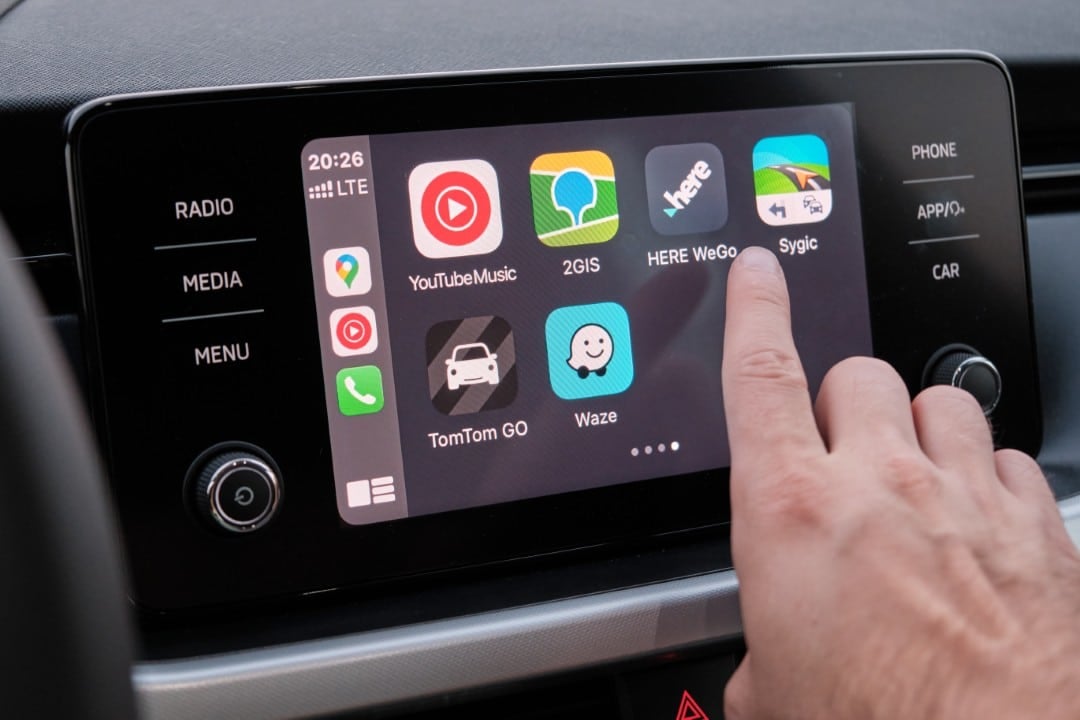
The direct connection between smartphones and vehicle multimedia systems has transformed the way drivers interact with traffic in large cities. Através of screen mirroring, functions that previously required dangerous handling of the cell phone are now available directly on the car dashboard, allowing safer and more efficient control. Essa technological change allows users to access maps, audio services and virtual assistants through voice commands or quick taps on larger screens adapted for the automotive environment. The main objective of this integration is to ensure that attention remains on the road, reducing accident rates caused by distracted driving, while at the same time offering tools to make daily commuting more agile.
Evolution of technology embedded in vehicles
Early native car navigation systems had significant limitations when it came to updating maps and traffic information in real time. Drivers depended on static data packages installed at dealerships, which quickly became obsolete and made it difficult to choose the best routes during peak hours in metropolises.

With the arrival of mirroring platforms developed by technology companies, the scenario has changed structurally. Moving data processing to mobile devices has enabled car dashboards to display dynamic interfaces, powered by high-speed internet connections and collaborative information updated instantly by other road users.
Traffic monitoring and alternative routes
Collaborative navigation software has taken the lead by offering tools that go beyond traditional point-to-point directions. Eles use data processing algorithms to calculate the exact travel time, considering dynamic variables such as recent accidents, temporary road blockages and sudden congestion.
When identifying an obstacle on the original route, the system automatically recalculates the route, suggesting viable and faster alternatives for the driver. Essa functionality prevents vehicles from getting stuck in severe traffic jams, which results in direct fuel savings and optimization of time spent commuting between home and work.
Visual and audible alerts about speed limits, electronic inspection and dangers on the road also act as preventive safety mechanisms. The interface designed specifically for the car dashboard displays large, easy-to-read icons, ensuring that critical information is assimilated by the driver in fractions of a second, without distracting from driving.
Digital infrastructure for the electric fleet
The global expansion of electric mobility has brought new logistical demands to drivers, especially when it comes to monitoring battery range and locating charging infrastructure. Aplicativos developed for this segment were integrated into dashboards to provide accurate data on the vehicle’s energy consumption.
These platforms map the charging stations available in a given region or highway, detailing technical specifications such as the type of compatible connector, the power of the local electrical network and the availability of equipment in real time. The driver can plan long-distance trips with strategic stops already programmed into the system.
The integration allows users to check the operational status of charging totems before making detours on the main route. Essa information network is powered by both operating companies and users themselves, creating a fundamental data ecosystem for the mass adoption of zero-emission vehicles.
Several industry applications also offer payment systems integrated directly into the vehicle interface. The recharge release process occurs digitally, connecting the car, the power station and the user’s financial platform in an encrypted way, eliminating the need for physical cards or external self-service terminals.
Management of urban parking spaces and parking
The search for parking spaces in the central regions and commercial hubs of cities is one of the factors that most impacts drivers’ total travel time. Para To solve this logistical issue, developers created platforms that locate, reserve and process payment for spaces in private garages directly through the vehicle’s multimedia screen. The system displays a map with the options closest to the final destination, comparing fares and opening hours, which enables financial and route planning even before the vehicle leaves. Booking in advance guarantees predictability for the driver and reduces unnecessary circulation on public roads.
When selecting the desired space, the application guides the driver to the exact parking entrance using the global positioning system (GPS). In many commercial complexes, the technology already eliminates the need to issue paper tickets, using the digital reading of license plates or codes generated on the car’s own screen to activate the gates automatically. Essa Automation reduces the formation of queues at the entrances to buildings, optimizing traffic flow on adjacent streets and contributing to road fluidity in areas with high demographic and commercial density.
Voice commands and preventive road safety
On-board usability has undergone a technical overhaul with the incorporation of audio streaming applications, digital radio and instant communicators into the automotive dashboard ecosystem. To ensure that access to these tools does not interfere with road safety, the automotive industry has improved virtual assistants based on artificial intelligence and voice control. The driver has the ability to request media playback, dictate and send text messages to professional contacts, make emergency phone calls and operate navigation systems without having to take their hands off the steering wheel or look away from the windshield. The natural language processing of these software has evolved to understand complex instructions, jargon and regional accent variations, operating with high precision through noise-cancelling microphones installed in the cabin. Essa audio interface gradually replaces the dependence on physical buttons and the handling of touch screens during movement, centralizing vehicle operations in an intelligent system that prioritizes defensive driving and the physical integrity of all occupants on the road.
Profile customization and daily usability
The software architecture of modern panels allows different drivers to configure individual profiles, organizing the arrangement of applications according to their specific routines. Essa personalization ensures that frequently used tools remain prominent on the home screen, creating an optimized driving environment that delivers the necessary information in an immediate and structured way.



