

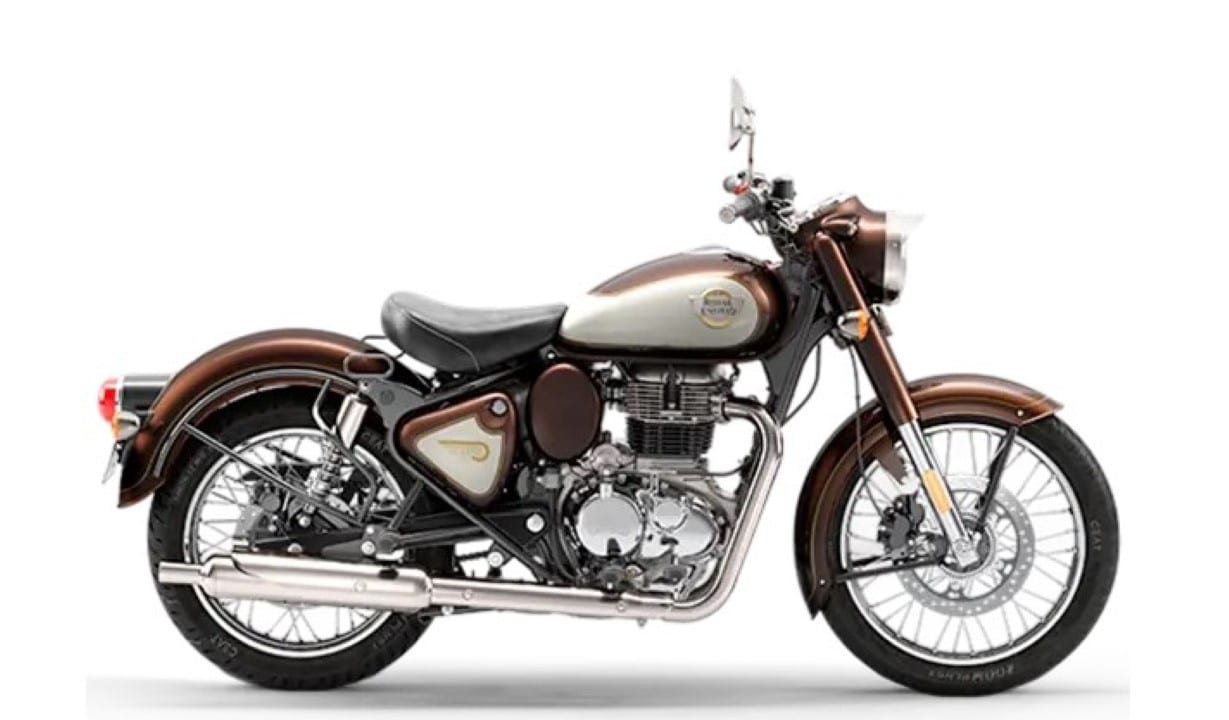
Motorcycle manufacturer Royal Enfield recorded a sales volume of 91,248 units in its domestic market during the month of February. The number represents an increase of 13% compared to the same period of the previous year, when the dealership network recorded 80,799 official registrations. The result consolidates the automaker’s position in the two-wheeled vehicle sector, demonstrating the resilience of the medium-displacement segment in the face of global economic fluctuations.
The positive performance is directly due to the high acceptance of models equipped with 350 cc engines, which form the structural and commercial basis of the brand’s portfolio. The strategy of focusing on motorcycles with a classic design and affordable prices has proven effective in attracting new motorcyclists and retaining old customers. The company maintains a constant flow of new buyers in physical stores and digital service channels, optimizing the sales conversion process.
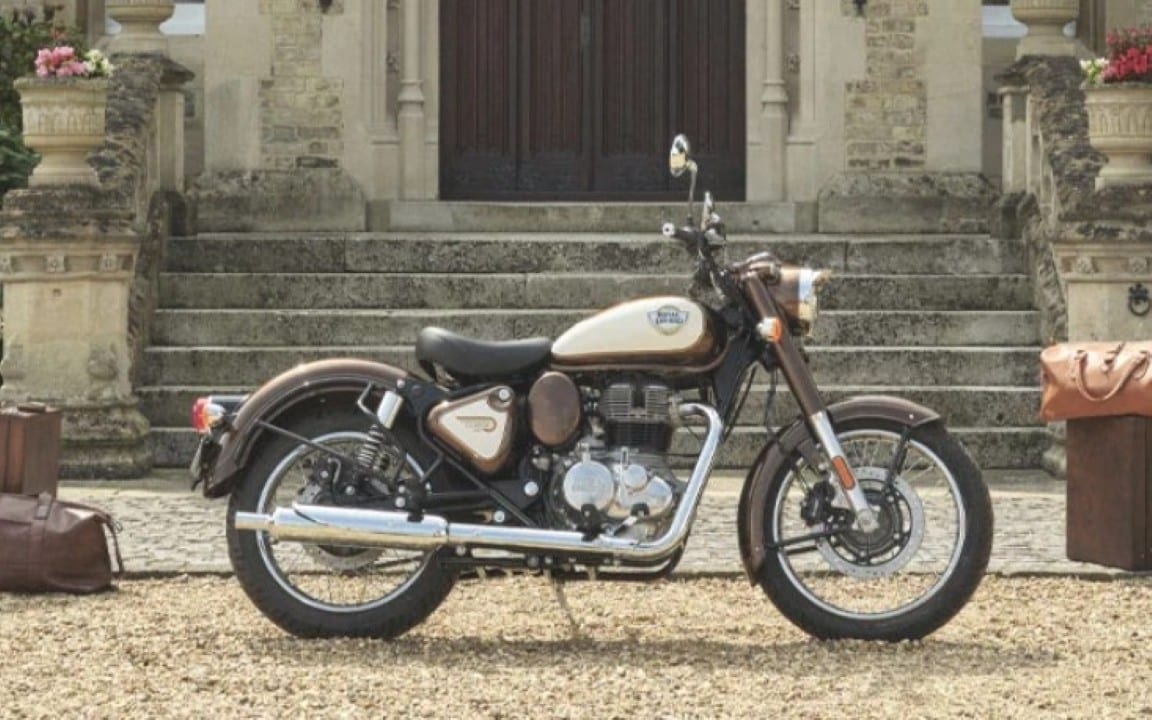
The preference for these motorcycles reflects a change in urban consumer behavior, which seeks efficient transport alternatives without giving up traditional aesthetics. The mid-displacement segment offers an exact balance between power for short road trips and agility for dense traffic in large cities. Além Furthermore, ease of maintenance and wide availability of spare parts make these vehicles viable options for intensive daily use. The automaker managed to capture this demand by updating its engines and chassis with contemporary technology, strictly maintaining the visual identity that has characterized its products for decades, which attracts both the nostalgic public and new entrants into the world of two wheels.
Currently, the brand holds a share of more than 93% of internal transactions in the specific 350-cylinder category. Esse absolute dominance makes it difficult for direct competitors to enter and establishes a consumption standard for retro-style motorcycles, forcing other automakers to review their operating strategies in this niche market.
Commercial performance and assembly line standardization
The assembly line concentrated its efforts on the large-scale production of J series engines, which equip all vehicles sold with the highest volume during this period. Mechanical standardization allows a significant reduction in manufacturing costs and optimizes component distribution logistics between manufacturing units and distribution centers.
Sales volume reflects the dealer network’s ability to convert public interest into effective and documented acquisitions. The stores adopted agile financing and technical evaluation processes for used motorcycles, facilitating consumers’ financial transition to the brand new models available in the yards.
The company’s engineering also focused on improving the energy efficiency of the thrusters, meeting strict government standards for pollutant emissions and noise. Essa technological update ensures that models remain in catalogs for long periods without the need for drastic or costly changes to the original engineering project.
Expansion of the Classic line and consumer preference
The Classic 350 model maintained its unshakable position as the most sought-after product in the automaker’s catalog, reaching an impressive 34,307 units delivered to end buyers. Esse volume represents an increase of 12% in relation to the amount recorded in the same month of the previous year. The motorcycle preserves aesthetic lines inspired by vehicles from the middle of the last century, combined with essential contemporary components, such as electronic fuel injection and anti-lock brakes. The continued acceptance of this model supports the automaker’s financial base, guaranteeing cash flow and justifying constant investments in new color options, graphics and premium finishes.
The recently implemented mechanical upgrade has drastically reduced the engine’s vibration levels, a historic feature that has turned off potential buyers in the past. Smoother running at cruising speeds made the motorcycle perfectly suited for short and medium distance road commuting. The manufacturer also invested heavily in demonstration campaigns at dealerships, allowing interested parties to carry out practical tests on public roads to prove the ergonomic improvements, gearshift precision and superior comfort of the redesigned seat.
Acceptance of the Hunter model in daily urban traffic
The Hunter 350 motorcycle quickly established itself as the brand’s second most popular option, with 20,234 registrations registered in the period analyzed by commercial reports. The model presented the highest proportional growth rate of the entire portfolio, recording a 22% jump in direct sales.
The engineering design of this vehicle prioritized directional agility and weight reduction in running order, characteristics considered essential for navigation on highly congested urban roads. The specific geometry of the chassis and the adoption of smaller diameter wheels provide immediate responses to the driver’s commands.
The young public constitutes the main demographic base of buyers for this model, attracted by the stripped-down aesthetics, vibrant color palette and the extreme ease of piloting. The reduced height of the seat in relation to the ground provides immediate safety for newly qualified or smaller motorcyclists.
The automaker offers several customization options directly at authorized dealers, allowing owners to modify the vehicle’s appearance with certified original accessories. Essa commercial strategy increases the average value of transactions per customer and strengthens the loyalty bond with the brand.
Maintaining tradition with the Bullet and Meteor series
The Bullet 350 model sold 21,821 units, marking a solid increase of 13% in the category’s turnover. The motorcycle carries the oldest continuously produced name in the entire global two-wheel industry, attracting purist consumers who value the historical heritage, proven durability and mechanical simplicity of the design.
At the same time, the Meteor 350 variant recorded 8,817 official deliveries, which corresponds to an increase of exactly 22% in stock issues. The vehicle adopts classic road styling, with advanced footpegs and swept-back handlebars, offering a relaxed and ergonomic driving posture, developed specifically for longer, more comfortable road journeys.
Retraction in higher categories and production adjustment
In direct contrast to the significant advance of entry-level and medium-displacement models, the segment of motorcycles equipped with 650-cylinder engines showed a reduction in sales volume during the month of February. The top line, which includes the Interceptor and Continental GT versions, suffers the direct effects of the increase in interest rates in the financial market and the natural restriction on granting credit for goods with higher added value. Para To mitigate the effects of this specific downturn, the manufacturer immediately adjusted the pace of the assembly line to avoid the unwanted accumulation of stocks in dealership yards, redirecting electronic components, raw materials and qualified labor to meet the high demand for 350 cc motorcycles. The flexible production strategy allows the company to maintain the total profitability of the industrial operation at healthy levels, even in the face of economic fluctuations that affect market niches aimed at the public with greater purchasing power.
Service structure and supply of original parts
The accelerated expansion of the motorcycle fleet required urgent adjustments to the automaker’s after-sales infrastructure. The company has expanded the capacity of its parts distribution centers to ensure rapid and uninterrupted supply of natural wear components such as brake pads, filter elements and secondary transmission kits.
Continuous technical training of authorized network mechanics ensures rigorous standardization of periodic inspection services stipulated in the owner’s manual. Maintaining the factory warranty schedule depends exclusively on the workshops’ ability to serve customers within acceptable deadlines, avoiding long waits for diagnoses or low-complexity repairs.
Pricing and market positioning strategies
Maintaining highly competitive price lists acts as the main commercial attraction factor for the brand in the current scenario. The manufacturer strategically absorbs part of the logistics and production costs to avoid full transfers to end consumers, ensuring that the 350-cylinder models remain financially accessible compared to the options offered by competing manufacturers in automotive retail.



