

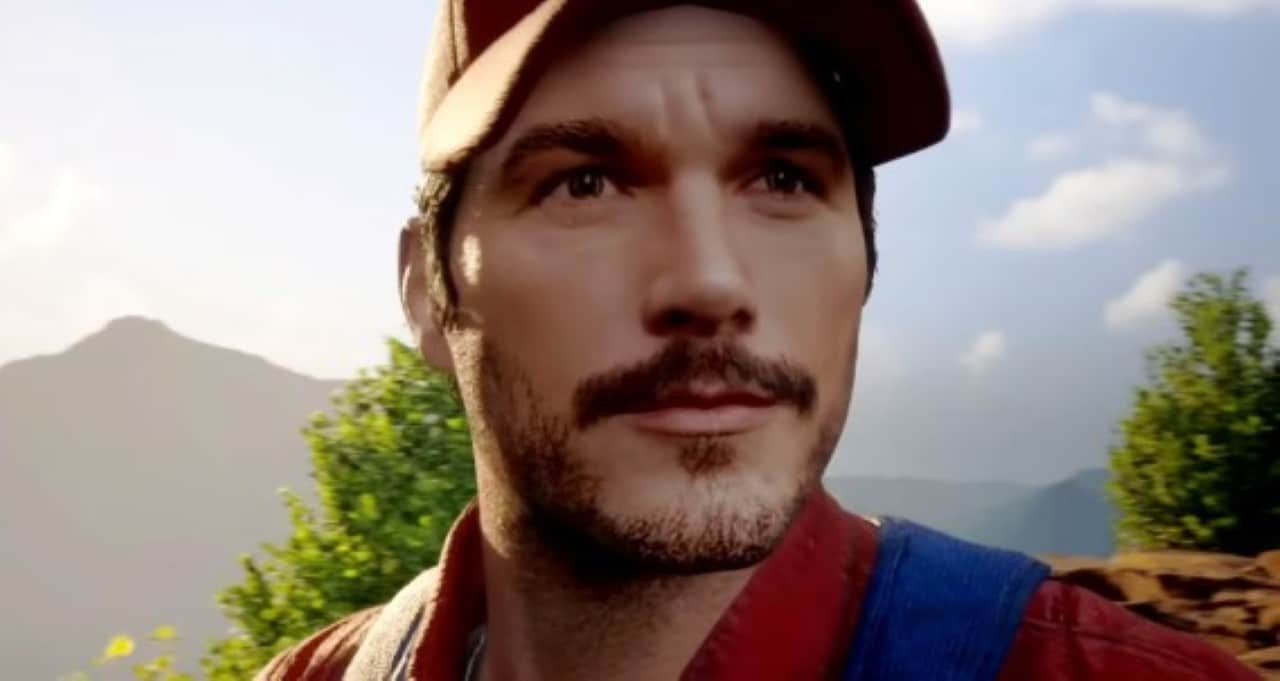
The film adaptation of *Super Mario Bros.*, released in 2023, generated a wave of discussions and expectations among fans around the world, especially regarding the vocal characterization of the protagonist, Mario, played by One of the most debated points before and after the release was the absence or change of the character’s iconic phrases, in particular the famous “Mamma Mia”. Expectations were high for the essence of the Italian plumber to be maintained, but the approach of Pratt and the production sought a new look for the video game hero, generating different reactions and leading the actor to speak out about the decisions made.
Mario’s voice, traditionally associated with Charles Martinet’s work in games for decades, is a central element of the character’s identity. Frases as “It’s-a me, Mario!” and “Mamma Mia!” have become trademarks, deeply rooted in the affective memory of millions of players. The choice of an actor from Hollywood as Chris Pratt for the role, known for his voice in other animation and action roles, had already been a catalyst for intense debates, dividing opinions on the need for such a drastic change.
Pratt, aware of the responsibility and public scrutiny, has addressed the issue of the phrase “Mamma Mia” in several interviews. Ele explained that the production team’s intention was not to simply replicate Mario from the games, but rather to create a version that would work in the context of a feature-length film, with a more expanded narrative and character development that would allow him to speak in more complete sentences. The absence of some of the shorter, more characteristic interjections was therefore a conscious decision to adapt the character’s language to the new media.
Chris Pratt explains why he doesn’t say “Mamma Mia!” in an Italian accent in the Super Mario movies:
—Cartoon History (@Cartoonhistory2)March 29, 2026
“I’m like, ‘Why does it make sense for a guy who’s from Brooklyn who doesn’t have that accent to use that so much?’”pic.twitter.com/xnpFyCmk62
Mario’s voice and fans’ expectations
Mario’s long history in video games has created an extremely dedicated fanbase with well-defined expectations about how the character should sound and express himself. Para many, Charles Martinet’s high-pitched voice and Italian exclamations were not just characteristics, but intrinsic parts of Mario’s personality. Essa’s deep emotional connection with the original version generated a natural resistance to the idea of a new vocal interpretation, especially when the first sample of Chris Pratt’s voice was released, revealing a lower and less caricatured tone.
The pressure on Chris Pratt had been immense since the announcement of his involvement. Críticos and fans questioned whether he would be able to capture the essence of Mario without resorting to stereotypes or, on the other hand, without mischaracterizing the character. The production team, including directors Aaron Horvath and Michael Jelenic, defended the choice, arguing that they were looking for a voice that could support more extensive and dramatic dialogue, something that would be challenging with the more theatrical interpretation of the games. The intention was, according to them, to create an Mario that the audience could connect with on a different level, closer to a traditional adventure hero, but still recognizable.
The creative decision behind the dubbing
Illumination Entertainment, the studio responsible for the animation, in collaboration with Nintendo, undertook considerable effort to redefine Mario’s vocal approach to film. The central idea was that, while in games short, exclamatory sentences work perfectly for quick interactions and reactions to events, in a nearly two-hour film, a main character would need a wider vocal range and a more conversational form of communication. Essa perspective led to Chris Pratt’s decision to adopt a more natural and heroic tone, moving away from the exaggerated Italian accent that characterized previous versions. The dubbing team worked to find a balance, incorporating some of the classic catchphrases, such as “Let’s-a go!”, but opting not to include others, such as “Mamma Mia”, which could seem out of place or forced in more elaborate dialogue. Essa strategy aimed to modernize the character and make him accessible to a global audience that might not have the same familiarity with the nuances of the original games, while also trying to maintain a respectful nod to his origins.
Audience reaction and criticism of the performance
Initial reception to Chris Pratt’s voice was mixed, with many fans expressing disappointment and even outrage on social media. The concern that the essence of the character would be lost was palpable, and comparisons with the dub of Charles Martinet were inevitable. However, after the film’s release, perceptions began to change for a significant portion of the public and critics.
Many unprejudiced moviegoers reported that Pratt’s voice fit the narrative well and that the vocal performance did not detract from the overall film experience. Specialist critics also had divided opinions, but the majority recognized that the interpretation of Pratt was functional within the animation’s proposal.
The film’s resounding box office success, which grossed over a billion dollars worldwide, served as a strong indicator that fans’ initial concerns did not deter the general public from embracing the new version of Mario. The quality of the animation, the visual fidelity to the game universe and the immersive adventure were factors that largely overcame the controversies about the voice.
The legacy of iconic phrases in games
Video game characters’ iconic phrases aren’t just lines; they become an integral part of the gaming experience and pop culture. Mario’s “Mamma Mia”, the “Hadouken!” from Ryu or the “Finish him!” by Mortal Kombat are examples of how small expressions can transcend their games and be recognized globally. Essas phrases work as shortcuts to the characters’ nostalgia and identity, evoking memories and feelings in players.
The absence or modification of one of these phrases in a new adaptation is, therefore, a sensitive point for fans. Isso is not just a line of dialogue, but a symbol of fidelity to the original source. The discussion surrounding “Mamma Mia” in the Super Mario film is a testament to the power of these expressions and the passion that fans dedicate to their favorite universes.
Maintaining some catchphrases and adapting others demonstrates the challenge of balancing innovation with tradition. Para the creators, the task is to modernize and expand the narrative without alienating the fan base that has built the character’s success over decades.
The impact of the change and the film’s box office
Despite pre-release discussions about Chris Pratt’s voice and the absence of certain phrases, *Super Mario Bros. Filme* became a global box office phenomenon. The film exceeded expectations, raising significant amounts and proving that the strength of the Mario brand transcends the particularities of dubbing. The massive marketing strategy, the public’s familiarity with the Nintendo universe and the visual quality of the animation were crucial elements for its success.
The box office performance suggests that while Pratt’s voice has been a topic of intense debate among dedicated fans, it has not been a deterrent to general audiences. Most viewers seemed to enjoy the film as a fun and visually stunning adventure, regardless of the vocal choices. Isso highlights that, in adaptations of large franchises, multiple factors contribute to success, and absolute fidelity to every detail is not always the only determinant.
The future of the franchise and the role of Chris Pratt
With the resounding success of *Super Mario Bros. Filme*, Universal Pictures and Nintendo certainly see a promising future for the franchise in theaters. The possibility of sequels and spin-offs is high, and Chris Pratt will likely continue to lend his voice to the world’s most famous plumber. The experience of this first film could influence future creative decisions, perhaps with a greater integration of classical elements or an evolution in Pratt’s vocal interpretation, based on continuous feedback.
Pratt’s role as Mario demonstrated an actor’s ability to shape an iconic character for a new generation of viewers while also connecting with longtime fans. The expectation is that future productions can continue to expand the universe of Mario, introducing new characters and scenarios, maintaining the adventure and fun that are the trademark of the franchise.
The importance of loyalty for fans
For fans, fidelity in adaptations of beloved universes is a fundamental pillar. Não is just about replicating, but honoring the essence that made a character or story so special. The discussion around the phrase “Mamma Mia” is a microcosm of this search for recognition and respect for the original story.
Fan passion is a powerful engine, capable of boosting or challenging productions. Content creators, when adapting renowned works, face the delicate balance between innovating and preserving. The success of *Super Mario Bros. Filme*, despite initial controversies, serves as a reminder that fan engagement, however critical, is a valuable component in the dialogue between the original work and its new incarnations.



