

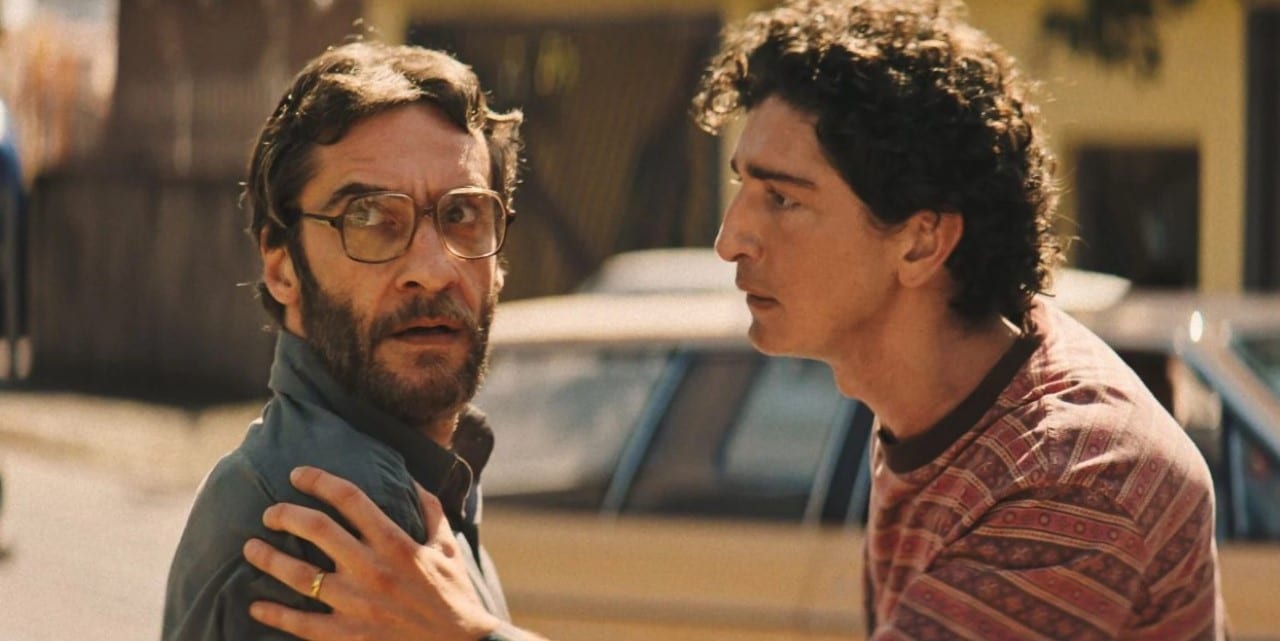
The miniseries Quatro people officially died as a result of direct exposure, while Associação of Vítimas of Césio-137 associates more than 60 deaths in the years following the incident. Quase 100 thousand residents underwent tests to check contamination.
- The collectors who found the radioactive material inspire the plot’s initial characters.
- The junkyard owner who took the device home also serves as the basis for a central figure.
- The six-year-old girl who became a symbol of the tragedy appears with a fictitious name in the narrative.
The series seeks to rescue a historical episode little remembered by the Brazilian population by presenting the unfolding of events with the support of technical consultants. Especialistas in nuclear energy and health professionals who worked at the time provided subsidies for the reconstruction of the main events. The narrative prioritizes the real temporal sequence of the accident, from the opening of the capsule to the radiation containment measures. Apesar Furthermore, script choices introduce changes to condense the story into five episodes.
Character names were changed in the adaptation
The production chose not to use the real names of the people involved in the events of 1987. The girl Leide of Neves, who died at the age of six after contact with the material, is represented as Celeste in the series. Sua mother, Lourdes of Neves, appears as Catarina, while the father Ivo becomes João and the teenage son Lucimar is called The owner of the junkyard Devair Ferreira and his wife Maria Gabriela are given the names Evenildo and Antônia.
These changes aim to work with fictional elements within a fact-based story. Parte of families and survivors expressed discomfort with the decision to change identities. The approach allows greater narrative freedom, but generates debates about the faithful representation of the direct victims of the accident.
Character trajectory inspired by Lourdes of Neves undergoes changes
In the miniseries, the figure corresponding to Lourdes of Neves has limited contact with cesium-137 and receives a relatively quick release from insulation. In reality, Lourdes remained in isolation for three months, initially in a stadium and then in Febem facilities, under constant medical monitoring. Ela reported spending long periods sedated during the monitoring process.
The series does not include details about the use of sedative medications in the real victim’s isolation routine. Essas differences focus the narrative into more dynamic arcs, reducing the time dedicated to prolonged aspects of the treatment. Sobreviventes highlight that the real experience involved greater duration and complexity in managing the exposure.
Real experts are condensed into unique characters
The production merged different professionals who worked to combat contamination into figures composed for the plot. The character Márcio, played by Johnny Massaro, does not correspond to a single real person, but brings together traits of several specialists and technicians involved in emergency response. Essa condensation reduces the number of individuals portrayed and speeds up the pace of the episodes.
Other papers follow a similar logic by combining contributions from multiple public and scientific agents. The narrative strategy gives greater dramatic weight to certain protagonists and simplifies the collective representation of the containment effort. Especialistas consulted by the production helped maintain technical precision in the procedures shown, even with the reduction of characters.
Recordings took place in São Paulo instead of the capital of Goiás
Although the events focused entirely on Goiânia, filming for the miniseries took place at Grande São Paulo, with main locations at Osasco and Santo André. Equipes visited places linked to the accident in the capital of Goiás, but chose to recreate scenes in studios and streets in São Paulo. The logistical choice allowed greater production control in consolidated infrastructure.
Many survivors and representatives of Associação of Vítimas of Césio-137 expressed dissatisfaction with the decision not to film in Goiânia. The geographical distance reinforced the perception of distance between the narrative and the original location of the tragedy. The production also included preliminary visits to historical points, but without records of direct contact with the association to collect statements.
Survivors did not directly participate in the production
Netflix did not reach out to survivors for personal accounts during the development of the miniseries. Lourdes of Neves watched the episodes at the age of 74 without having been previously consulted about her experience. The president of the association representing the victims confirmed the lack of direct dialogue with the platform.
The company reported having hired experts to ensure historical accuracy in the technical aspects of the accident. Representantes of victims disagree with the degree of fidelity achieved without the direct involvement of those affected. The launch of the series coincided with discussions about readjusting the monthly pension paid to the 1,530 registered affected people, which went from R$954 to a minimum wage after approval in Assembleia Legislativa of Goiás.
Omitted details generate criticism among those affected by the contamination
The narrative prioritizes dramatic arcs and condensation of events to maintain the pace of the miniseries. Alguns prolonged aspects of isolation and medical monitoring receive less emphasis on screen. Sobreviventes point out that certain daily treatment and sedation routines do not appear in the adaptation.
Associação of Vítimas of Césio-137 believes that the positive repercussion of the production can help keep the topic in the spotlight. The 1987 accident remains the largest radiological incident recorded outside nuclear power plants. Quase 100,000 people were examined at the time to assess levels of exposure to radioactive material.
The launch reignites the debate on ways to represent historical tragedies in audiovisual format. The series maintains fidelity to the chronological sequence of the main events, including the initial spread of the bright blue powder and the emergency measures adopted. Escolhas of fiction, such as changing names and condensing roles, serve to structure the story into compact episodes.



