
Steven Spielberg cries in Lincoln scene and is comforted by Daniel Day-Lewis By Janderson Luiz
4 min read
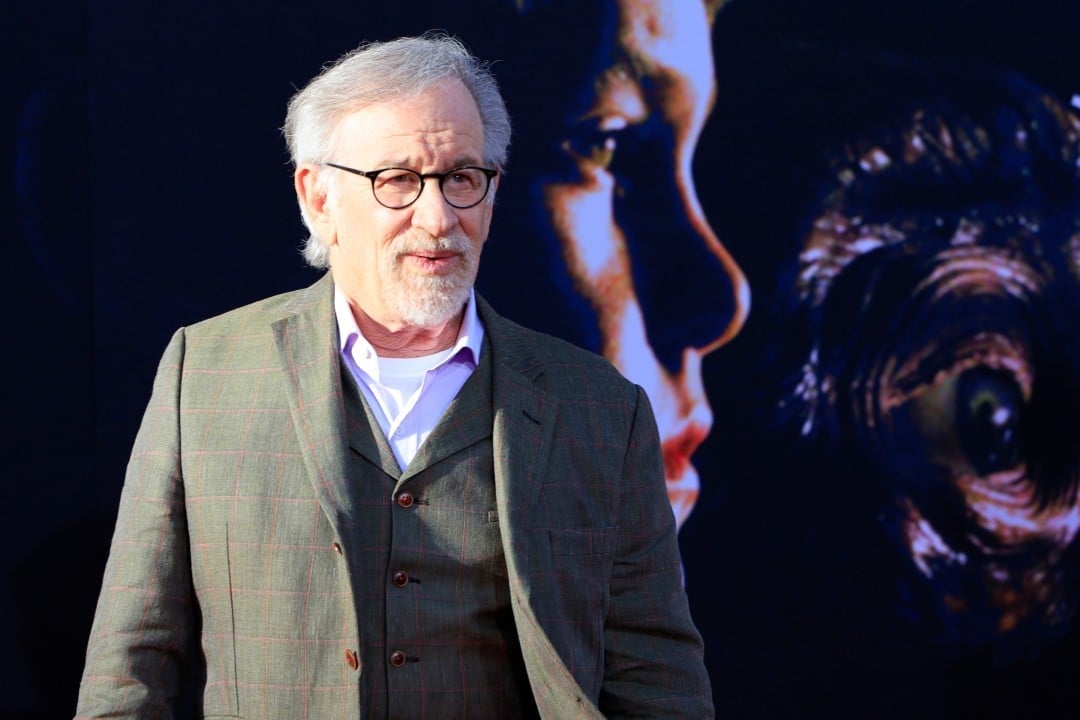 |
Steven The scene showed Lincoln pressuring the cabinet to approve the 13th Emenda, which would abolish slavery in the Estados Unidos.
The filmmaker described the sequence as deeply moving and stated that to this day he has not surpassed Day-Lewis’ performance. Ele left the recording location to compose himself in another room. The actor, still known as Lincoln, noticed the director’s absence and asked for his whereabouts using the affectionate nickname Skipper.
Emotional moment on the film set
The interpretation occurred in a four-minute shot in which Lincoln explained the urgency of the constitutional amendment. Spielberg followed the scene through two main shots. One of them started at the end of the cabinet table and slowly approached, followed by a cut to Estado’s secretary played by David Strathairn and then a close-up of Day-Lewis’s face.
The director was so impacted that he had to leave. Daniel Day-Lewis, maintaining character, expressed concern when he realized that the director was no longer present. The actor asked where Skipper was and, upon being informed, went to the adjacent room.
Actor in character offers support to the director
Daniel Day-Lewis entered the room still dressed as Abraham Lincoln. Ele approached Steven Spielberg, sat next to him and hugged him. The moment happened while the cameras had already stopped rolling, but the actor remained fully immersed in the role. Spielberg remembered the scene as something he will never forget.
The filmmaker shared the story during a conversation at the South by Southwest festival. The discussion took place with journalist Sean Fennessey, from the podcast The Big Picture. Ele highlighted the humility he felt when faced with the British-Irish actor’s performance.
Details of the sequence that moved the team
The 13th Emenda represented a central plot point in the film, which depicts Lincoln’s efforts to pass the law that would end slavery. The four-minute speech required precision and emotional intensity. Spielberg praised the total delivery of Daniel Day-Lewis, who delved deeply into the character throughout the production.
Other team members were also present at the scene. The plan included reactions from cabinet members, which amplified the dramatic weight of the moment. The production respected rules imposed by the actor, who preferred to be addressed as Mr. Lincoln on set.
Behind the scenes of the relationship between director and actor
Steven Spielberg and Daniel Day-Lewis built a respectful partnership throughout recording. The director is usually moved by outstanding performances, but admitted that this occasion was especially strong. Ele maintained respect for the actor’s immersion, who avoided breaking character even outside of the shots.
The film Lincoln received critical acclaim and several award nominations. Day-Lewis’ performance as the American president is considered one of the most impactful of his career. The film explored political and human aspects of the historical leader.
Remembering the production of the historical film
Filming took place in the Estados Unidos and featured a high-level supporting cast. The art direction and costumes helped to recreate the environment of Casa Branca in the 19th century. Spielberg sought historical fidelity in the dialogues and decisions presented.
Daniel Day-Lewis prepared the role with known dedication. Ele remained in character for much of the production time. Esse commitment contributed to the authenticity of the most emotionally charged scenes.
- The sequence involved direct dialogue with the cabinet about the amendment.
- Two main shots captured the tension of the meeting.
- The final close-up highlighted Lincoln’s expression.
- The team recorded the shot with technical care.
The director mentioned that the episode left a lasting impression on him. Ele values moments when art transcends technique and reaches a deep human level. The interaction between the two professionals illustrates the possible connection in the cinematic creation environment.
Impact of acting on the film’s narrative
The 13th Emenda was approved in 1865 and represented a milestone in American history. The film portrays the negotiations and challenges faced by Lincoln. The scene played on the set sought to convey the seriousness of these discussions.
Steven Spielberg directed the project with a focus on historical accuracy. Ele brought together experts to guide the cast and crew. The result was a detailed portrait of a decisive period in the Estados Unidos.
Daniel Day-Lewis delivered a performance that continues to be a reference. The actor received praise for capturing both the president’s authority and vulnerability. The moment of comfort for the director remained a personal memory for Spielberg.
The filmmaker remains active in the industry and often shares experiences from his productions. Essa specific story gained prominence in his recent participation at the festival. Ele reinforced his admiration for the dedication of the actors he worked with.
Connections beyond cameras
The professional relationship between Spielberg and Day-Lewis generated mutual respect. The director values collaborations that elevate the source material. The episode demonstrates how collective work can generate genuine reactions even among cinema veterans.
The production of Lincoln required coordination between different departments. Figurinistas, makeup artists and technicians contributed to the immersion. The final result conveyed the seriousness of the topic addressed.
Steven Spielberg keeps the memory of that occasion alive. Ele describes it as an example of the interpretative power that cinema can achieve. The hug received still resonates as a simple and powerful gesture.











