

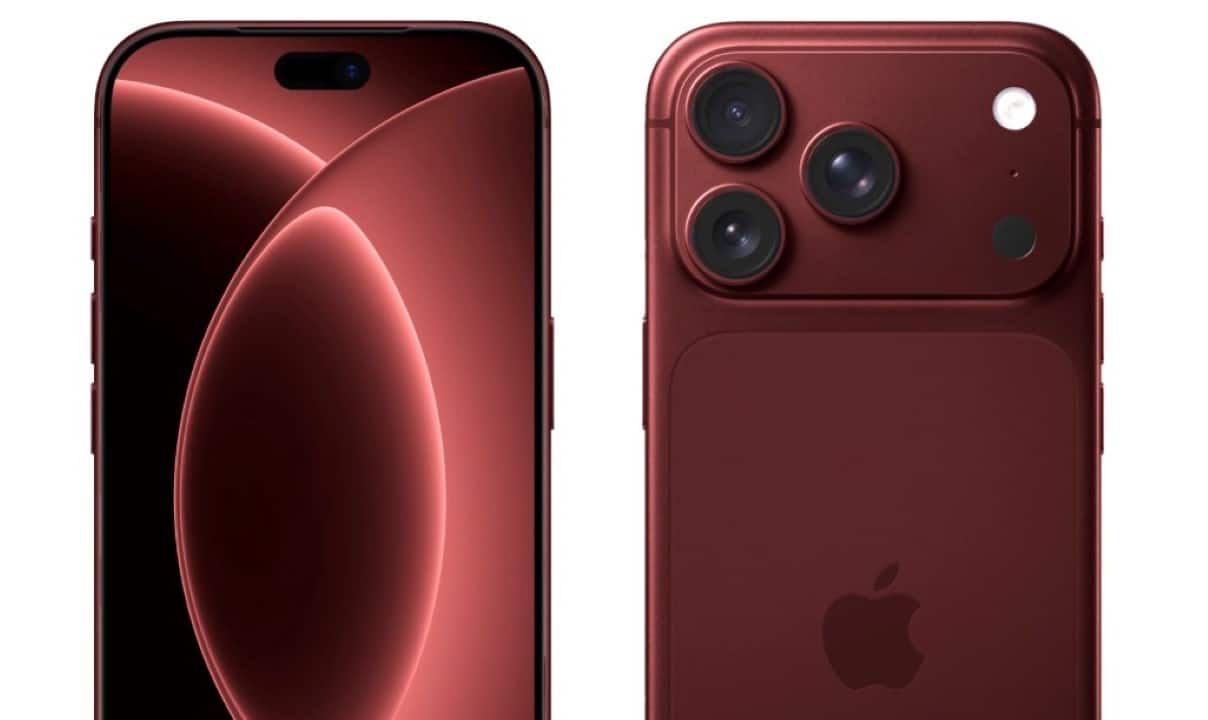
The mobile device industry records a significant structural advance with the confirmation of the new generation of high-performance smartphones. The North American manufacturer Apple has officially developed the iPhone 18 Pro, a device that changes the aesthetic and functional standards of the premium category. The project, created at the company’s headquarters in Cupertino, breaks with the traditional design maintained in recent decades and proposes a new visual approach to the sector.
The company’s hardware engineers completely restructured the device’s shape to intentionally expose the internal components. Essa visual modification required complex adaptations throughout the assembly line, in addition to a rigorous selection of new raw materials that could withstand continuous exposure without degradation.
The industrial reformulation of the new device encompasses rigorous technical changes in the production chain, which include:
– Redesenho complete motherboard with a focus on the aesthetic finish of the circuits.
– Implementação of unprecedented heat dissipation systems to protect the glass.
– Utilização made of high-strength metal alloys in the main chassis structure.
The new devices are expected to arrive on the shelves of the international market in September. The launch establishes a new level of competition in the telecommunications sector, requiring quick responses from rival brands in the ultra-premium device segment.
Material engineering and reinforced chassis
To guarantee the durability of the completely transparent back panel, the manufacturer developed a reinforced glass alloy subjected to an exclusive chemical treatment. The industrial process protects the material against natural yellowing caused by continuous exposure to sunlight and the wear and tear of time.
The chemical composition also ensures superior resistance against accidental drops and daily scratches. The main chassis structure uses aerospace-grade titanium, providing light weight and extreme structural rigidity for everyday use in harsh conditions.
Industrial sealing and waste protection
The integration between the machined metal and the new transparent glass required the formulation of a specific industrial adhesive. Este unprecedented chemical compound seals the device against the entry of water and dust, meeting the most rigorous international protection certifications on the market.
The internal insulation was designed not to compromise the transparency of the back panel, maintaining visibility of the smartphone’s engineering. Laboratory tests confirmed the effectiveness of the seal even in prolonged submersion in controlled environments.
This adhesive is applied using high-precision robotic arms in Asian factories. The method ensures that each unit produced maintains the same resistance standard required by the brand, avoiding large-scale assembly failures.
Energy capacity and thermal management
The device’s autonomy of use presents a significant technical leap, driven by a 5200 mAh energy cell. The increase in volumetric capacity results from a new battery internal composition architecture, developed specifically for this generation.
Optimizing internal space allowed the inclusion of this high-density battery without changing the overall thickness of the smartphone. The millimetric use of the chassis was essential to maintain the ergonomics of the equipment during prolonged handling.
With the components exposed, temperature control became the main challenge for the industrial design team. The heat generated by the processor needed to be dissipated quickly without affecting the aesthetics of the rear glass or causing thermal discomfort to the user.
The technical solution involves the application of high-density graphene plates and a redesigned vapor chamber system. Essa Thermal structure moves heat away quickly and silently, protecting the device from overheating during heavy processing tasks.
Front panel evolution and edge reduction
The dimensions of the screens have undergone precise adjustments in the new generation, offering 6.3 inches in the standard high-performance model and 6.9 inches in the larger variant. Display engineering has refined the bezels surrounding the OLED panel, maximizing the usable viewing area and providing an immersive experience during media consumption. The most substantial change to the front interface involves the relocation of the facial recognition and brightness sensors, which now operate directly under the active screen.
This technical modification allowed a 35% reduction in the area occupied by the upper cutout, freeing up space for status icons and operating system notifications. The development of the under-screen biometric sensor required extensive research to ensure accuracy and security. Infrared light penetrates the pixel array without distortion, validating the user’s identity instantly, regardless of external lighting conditions, while the maximum brightness of the panel has been considerably increased to facilitate reading in direct sunlight.
Advanced processing and artificial intelligence
The smartphone’s processing core is powered by a chip manufactured using the 2-nanometer process, representing a milestone in the miniaturization of transistors in the semiconductor industry. Este component was designed with a primary focus on running artificial intelligence algorithms directly on the device, drastically reducing dependence on cloud servers and increasing user data privacy. Para To keep up with the performance of the new processor, the RAM memory was expanded to 12 GB, a fundamental technical specification to keep complex language models running in the background without choking. Essa memory capacity guarantees absolute fluidity when switching between dozens of simultaneous applications, in addition to enabling demanding tasks such as simultaneous translation of conversations in real time and editing videos in very high resolution directly in the palm of your hand, consolidating the device as a professional productivity tool.
Optical system with variable aperture
The rear photographic assembly introduces a variable aperture mechanism in the main lens, technology inherited from professional cameras. The sensor physically adjusts the amount of light captured according to the environment, improving depth of field in portraits and increasing the sharpness of night photographs by eliminating visual noise in very low light scenarios.
Lens coating and image stabilization
All of the module’s lenses have received a new laboratory-developed optical coating to mitigate unwanted reflections from direct light sources. The innovation is especially useful during night recordings in the presence of street lights or vehicle headlights.
The optical zoom system has adopted an improved refraction prism that stabilizes the image efficiently during moving shooting. The integration between the camera hardware and the image signal processor allows the application of artificial intelligence filters at the exact moment of the click.
Satellite connectivity and digital transition
The device’s communications infrastructure was expanded to support a more robust satellite connection, going beyond simply sending emergency messages. The new integrated radio frequency technology allows you to make short voice calls and send compressed multimedia files in remote regions where traditional cellular network coverage is completely non-existent.
The advancement in connectivity also marks the definitive removal of the physical carrier chip tray in favor of virtual technology in all global markets. The Asian supply chain has already begun calibrating its assembly lines for mass production to secure stocks for launch, with price positioning reflecting the high research costs of the new transparent materials and advanced internal architecture.



