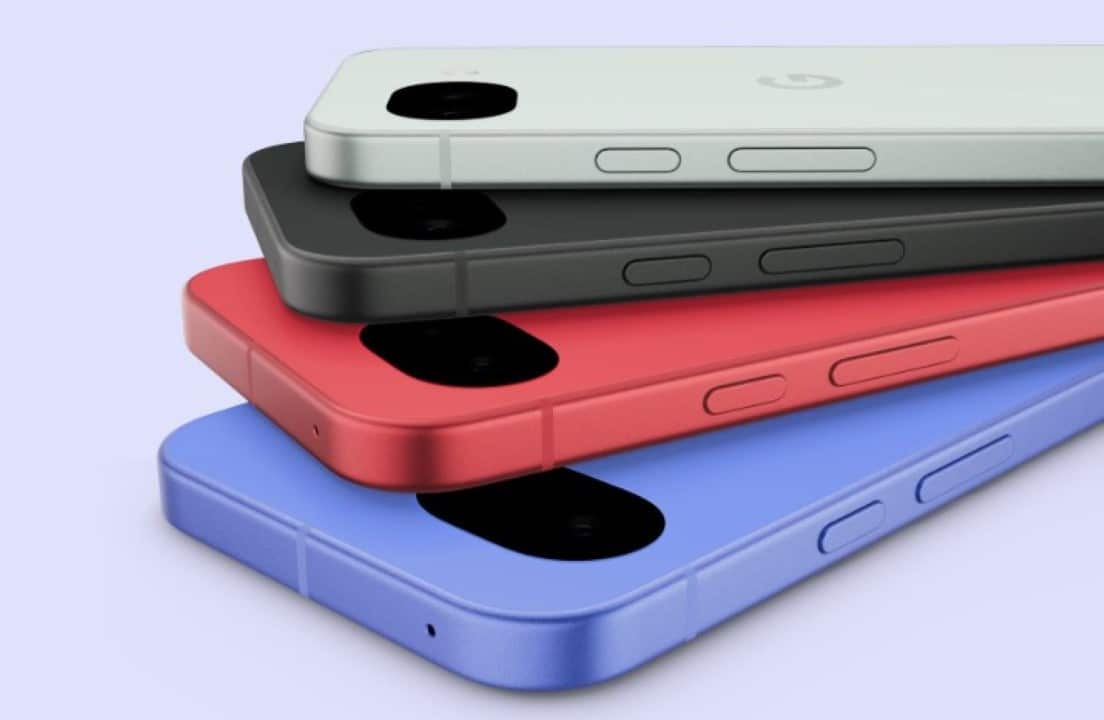
Google is preparing the launch of the successor to its main line of smartphones for August 2026, as indicated by recent leaks of CAD renderings. The device must maintain the visual identity established in recent years, but presents important refinements on the front and rear photographic module. The Google Pixel 11 will have almost identical dimensions to the previous model, measuring 152.8 x 72 x 8.5 mm, with a slight reduction in the overall thickness of the chassis.
The images revealed show that the search giant has managed to significantly reduce the edges around the 6.3-inch screen. Essa change meets an old demand from users who were looking for a more modern front end compared to competing models. Outra notable change is in the camera bar, which now appears completely black, eliminating the body-colored finish that surrounded the flash in past generations.
Below, the main technical details and structural changes confirmed by the leaks:
- Tensor G6 processor with 7-core architecture for greater energy efficiency;
- Replacement of the Samsung modem with the new MediaTek M90 for better connectivity;
- Maintenance of 12 GB of RAM memory to support artificial intelligence features;
- 6.3-inch LTPO AMOLED screen with 120Hz variable refresh rate;
- Battery with slight increase, reaching a nominal capacity of 5,000 mAh.
Changes to internal hardware and processing
The heart of the Google Pixel 11 will be the Tensor G6 chip, developed by Google to optimize machine learning and image processing tasks in real time. Diferente from previous generations that used Samsung modems, the new line must adopt MediaTek components to solve historical signal and heating problems reported by owners of old versions. The company’s focus remains on vertical integration between software and hardware to ensure fluidity in the Android 17 system.
Storage capacity still generates debate among experts in the technology sector, as the 128 GB base seems out of date compared to rivals that already adopt 256 GB as the initial standard. Espera is expected to offer variants with greater internal space, although memory production costs have risen globally in the last half year. The Titan M3 security chip is also expected to make its debut, offering advanced protection against physical and digital attacks.
Visual and aesthetic evolution of the rear module
The aesthetics of the Google Pixel 11 consolidate the look that has become the line’s trademark, entering its third year of the design cycle. The horizontal camera bar, which now displays a more uniform and minimalist look in a dark tone, helps hide the photographic sensors and the autofocus system. Essa design choice aims to provide a cleaner and more professional look to the high-end device.
The physical buttons maintain the brand’s traditional configuration, with the power button positioned above the volume controls, a feature that differentiates Google devices from other Android manufacturers. The side finish continues to be in matte metal, providing a firm and resistant grip for everyday use. The glass back must have the latest generation Gorilla Glass Victus protection to avoid scratches and accidental breaks.

Details about screen technology and brightness
The front panel of the new smartphone uses advanced OLED technology to ensure deep blacks and vibrant colors in any lighting condition. The reduction of the edges, mentioned in the CAD files, allows the screen to appear larger without increasing the physical size of the device, making it easier to use with just one hand. Peak brightness should reach levels similar to the Pro model, making it easier to view content in direct sunlight.
- Dynamic refresh rate saves battery by reducing the frequency in still images.
- The fingerprint sensor under the screen remains the ultrasonic type for greater speed.
- The hole for the front camera remains discreetly centered at the top of the display.
Market expectation and price positioning
The official launch is scheduled for the second half of August, following the schedule that Google has established in recent years to avoid conflicts with other major technology events. The suggested price must undergo a slight adjustment, varying between 50 and 100 additional dollars, depending on the region and local taxes applied to sales.
Photographic performance and new sensors
The Google Pixel 11’s cameras continue to be the main attraction for consumers looking for professional quality in a compact format. The main 50 MP sensor has received lens optimizations to reduce internal reflections during night or backlight captures. The Google’s computational processing uses new hardware to deliver photos with more natural colors and greater dynamic range in videos recorded in 4K.
Long-term connectivity and support
Google remains committed to offering seven years of security and operating system updates for the Pixel line. Isso means that the model launched in 2026 will have official support until mid-2033, ensuring longevity and resale value for the end consumer. Support for the new Qi2 wireless charging standard is also present, allowing the use of magnetic accessories for more efficient and safer charging.