
Italy blocks US bombers from landing at military base due to lack of warning

The government of Itália officially denied authorization for military aircraft from Estados Unidos to land at the air base of Sigonella, located on the island of Sicília. The equipment, identified by European radars as strategic bombers, was on a route to the region of Oriente Médio when the access restriction was applied by the local airspace control authorities.
The ban decision was made based on the absence of a prior formal request submitted to the military command of the European country. Fontes linked to defense confirmed that the tactical flight plan was only communicated to traffic controllers when the planes were already in full air travel, which triggered an immediate institutional blockade of the landing strips.
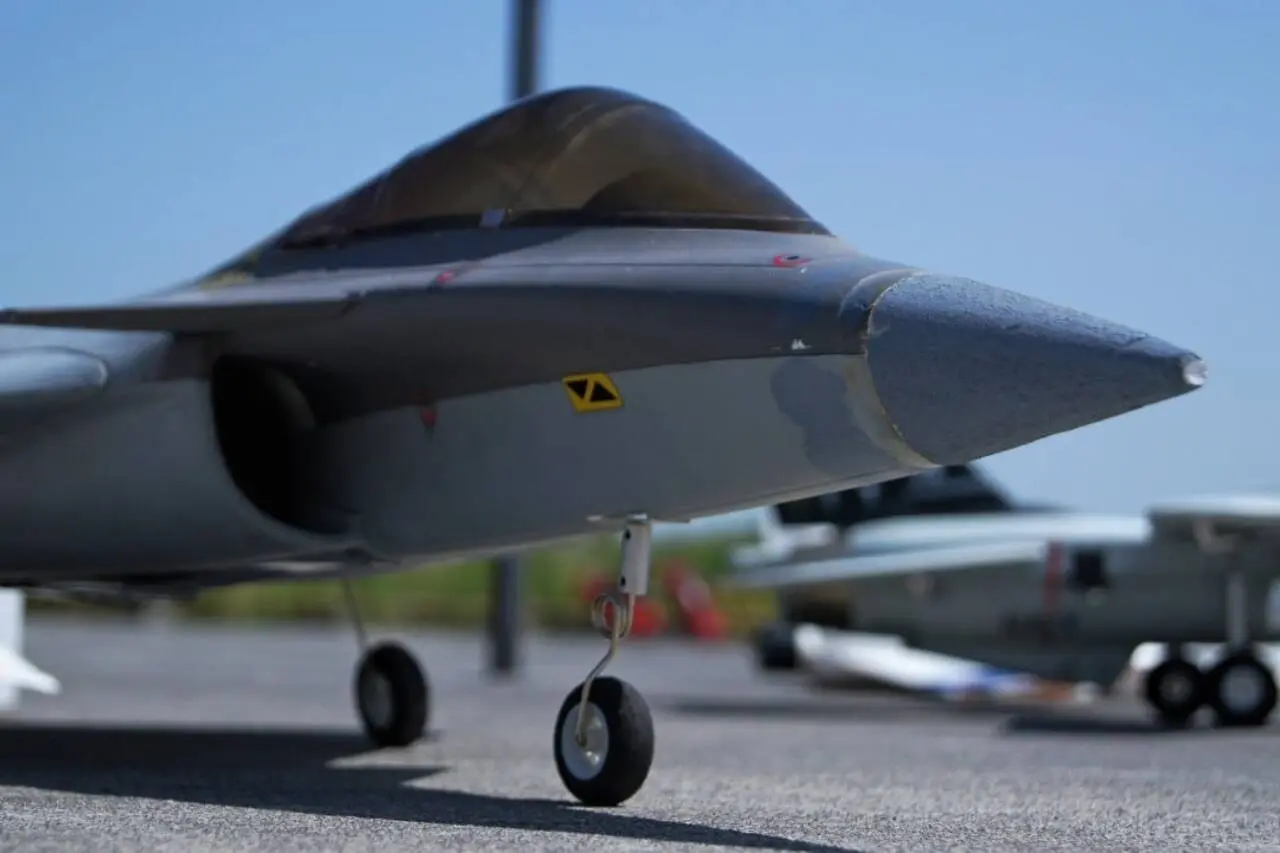
/ Shutterstock.com
The measure reflects the strict application of bilateral agreements established between the two allied nations regarding the use of military installations on European territory. The episode highlights the requirement for strict diplomatic and operational protocols for any international mission that deviates from patrol and transit activities previously cataloged as routine.
Defesa security and intervention protocols
The minister of Defesa of Itália, Guido Crosetto, took responsibility for issuing the direct blockade order to the North American squadron. The restrictive action was implemented immediately after the minister received the maximum alert notification from the head of Estado-Major of Forças Armadas, Admiral Luciano Portolano, regarding the unscheduled approach of combat aircraft.
Preliminary checks conducted by Italian military experts quickly pointed out that the flights in question did not fall within routine logistical operations. Esses standard movement procedures are strictly provided for and detailed in the international cooperation treaties in force between the governments of Roma and Washington.
On the same topic: New rules in Italy expand financial aid for low-income families and dependents
Rules for using infrastructure no Mediterrâneo
The Sigonella air base represents one of the most important logistical and intelligence facilities for joint operations at sea Mediterrâneo. The military complex serves as a fundamental and strategic support point for both Força Aérea Italiana missions and Marinha naval and air operations in the region.
Current diplomatic agreements allow the use of space exclusively for the purposes of maritime patrol, training and routine logistical transit. Qualquer change in this operational scope, especially involving heavy weapons, requires detailed prior communication and express formal authorization from the host country.
Operations that involve direct deployments to active conflict zones require specific political negotiations between ministries. The absence of this prior alignment and transparency in the flight plan was the technical determining factor for the refusal to land at the Sicília facility.
Follow: all about Armed Forces
Official government position and parliamentary guidelines
The Prime Minister’s Office Giorgia Meloni issued internal communications reinforcing that the nation acts in full compliance with international law and mutual defense treaties. The central administration highlighted that the security guidelines approved by the Italian Parlamento form the unquestionable legal basis for any military decision taken in the territory.
The head of government had already publicly expressed diplomatic reservations about certain military operations conducted by allied nations in Oriente Médio. The focus of Italian foreign policy has been to avoid endorsing actions that could exceed the limits established by global security and human rights conventions.
The minister Guido Crosetto used official and secure military channels to communicate the blocking decision to the representatives of Pentágono on Estados Unidos. The government representative emphasized that the use of the base for offensive missions or beyond the basic bilateral agreement necessarily requires prior approval from the Italian Congresso.
The refusal to land was strictly based on the lack of advance consultation, which is a non-negotiable requirement for maintaining national sovereignty. The episode demonstrates the capacity and readiness of local authorities to maintain absolute control over foreign military activities carried out in their airspace.
Full coverage: News (EN)
Operational details and discovery of flight plans
The infrastructure located in the south of Sicília has functioned for decades as a center of logistics excellence for joint operations of Organização of Tratado of Atlântico Norte. However, when long-range radars and traffic control systems identified that the aircraft route had Oriente Médio as its final destination without due notification diplomatically, air control authorities immediately activated the exception protocols. The Italian press, including detailed reports from the newspaper Corriere della Sera, revealed that the actual flight plans were discovered by electronic monitoring systems before any local military leaders were formally consulted by Allied commanders.
High-ranking military sources explained that standard operating procedures require detailed technical communication days in advance before any deviation from the usual use of the runway and maintenance hangars. The failure to transmit this sensitive data caused the head of Estado-Major to quickly intercede with Ministério of Defesa, resulting in the irrevocable order to divert the aircraft out of Italian airspace. Apesar of the tactical severity of the incident, the overall operational status of the Sigonella base has not undergone permanent changes, and routine patrol activities continue to be carried out normally by the joint forces assigned to the region.
Diplomatic impacts and the maintenance of bilateral relations
The management of the incident by the Italian government sought to isolate the issue in a strictly technical, operational and legal context, preventing the runway blockage from escalating into a major diplomatic crisis between the allies of the Atlantic alliance. Palazzo Chigi, seat of executive power, made a point of clarifying through official channels that the restrictive measure does not represent a change in the policy of historical alliances with Washington, but rather a rigorous and necessary application of the rules of territorial sovereignty and signed treaties. The Prime Minister Giorgia Meloni, during recent debates and hearings on Senado on the instability in Oriente Médio, reiterated the country’s position of active neutrality, underlining the government’s intention not to involve the nation directly in external armed conflicts without an international mandate. The requirement for parliamentary authorization for the unconventional use of military bases acts as a democratic mechanism of checks and balances, ensuring that national security decisions undergo public and institutional scrutiny before any movement of troops or equipment. Defense and diplomatic authorities in both countries maintain open and constant lines of communication, working to align flight notification procedures. Não There are indications in official reports that the specific refusal to land has generated permanent fractures in bilateral military cooperation, which remains firmly based on mutual trust, intelligence sharing and absolute respect for the limits of current international treaties.
Preservation of sovereignty and continuous monitoring
Quick action by defense authorities ensured the integrity of air borders and strict compliance with local navigation laws. The management of foreign military traffic remains under constant electronic surveillance to ensure that all future movements respect the terms of agreements reached between the nations.
More news in News (EN)
See more → Samsung releases new system update with new features for Galaxy Watch 4 users
 Digital retail reduces the value of the Galaxy S25 5G smartphone with bank bonuses and device exchange
 Amazon’s wireless CarPlay adapter has a 50% discount and high approval ratings from drivers
 Zach Cregger’s new Resident Evil ignores games and focuses on an unprecedented story with new characters
 Rumor suggests that Nintendo is preparing a special edition of the Switch 2 with a remake of Ocarina of Time
 Apple accelerates production of the iPhone 17e and develops new Air model with dual camera system
 Epic Games platform releases twelve high-budget games at no permanent cost for PC users
 PlayStation 5 Pro price drop accelerates digital retail sales and eliminates global stocks
 New Galaxy Watch 9 firmware appears on server and confirms progress in software development
 Apple’s commemorative project tests cell phone with 1.1 millimeter edge and curved screen for 2027
 New Apple system update optimizes urgent task management for iPhone users
 Leak details hardware of the new portable PlayStation with superior graphics to the Xbox Series S
More news on Mix Vale
- 1Colby Minifie confirms Ashley Barrett’s powers in The Boys season five
- 2Napoli x Milan in Serie A with confirmed lineups and where to watch live
- 3New battery test puts Galaxy S26 Ultra ahead of iPhone 17 Pro Max in global ranking
- 4Research reveals that parents are unaware of how their children use artificial intelligence
- 5Oppo officially launches the Find X9 Ultra worldwide with Hasselblad lenses and robust battery
- 6Tim Cook reveals new iPhone and iPod prototypes in celebration of Apple’s fiftieth anniversary
- 7New edition of foldable smartphone brings gold finish to Winter Games competitors
- 8Android system receives native Gemini Nano 4 integration for offline processing on smartphones
- 9Samsung updates QuickStar module and expands visual control of the panel in the One UI 8.5 interface
- 10Leak reveals Lords of the Fallen and Sword Art Online in April’s PS Plus Essential catalog