

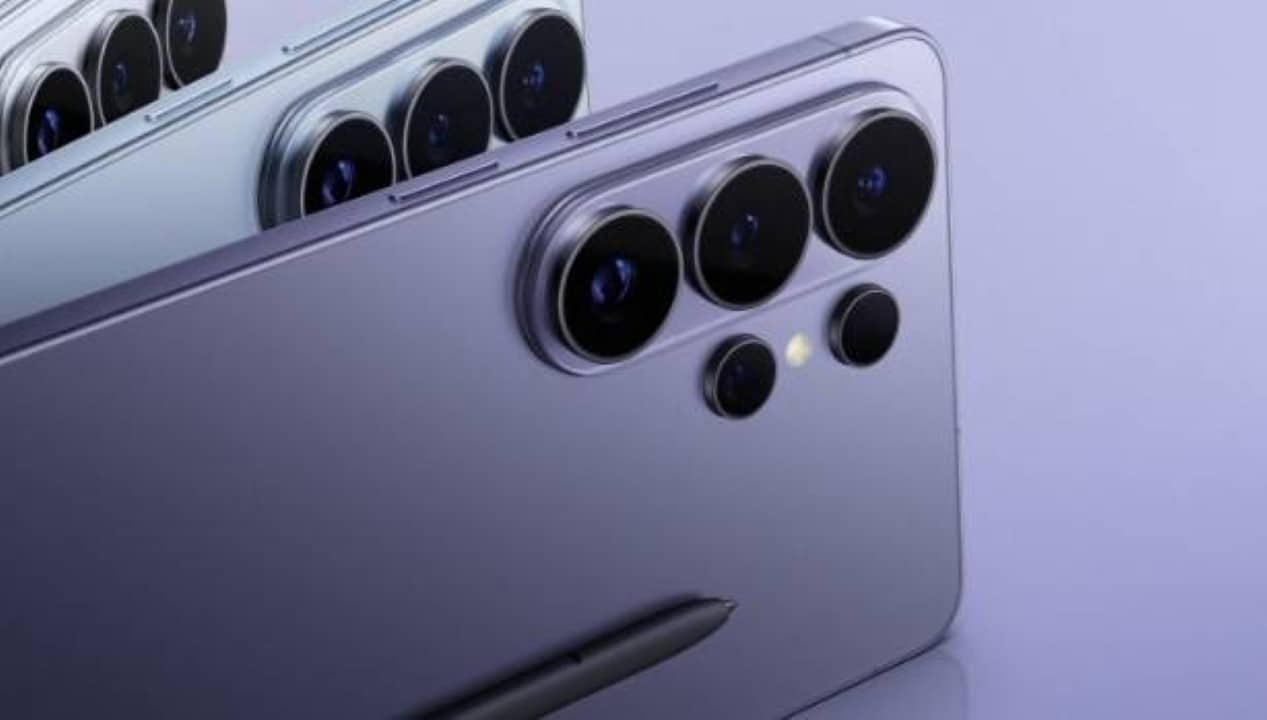
South Korean manufacturer Samsung announced a structural update to its software ecosystem that allows direct communication with Apple’s AirDrop protocol. The move aims to facilitate the transfer of files between Android and iOS devices, eliminating the need for third-party applications to send photos, videos and documents at high speed. The integration takes place through an update to the Quick Share system, which now recognizes and interacts natively with the standard used by iPhones and iPads in proximity environments.
The development of this functionality breaks a historic connectivity barrier between the two largest operating systems on the mobile device market. Durante years, users have faced technical difficulties in sharing media without loss of quality between different platforms, often resorting to cloud storage services or messaging applications that apply strong compression to the original files. The new solution operates locally, using the devices’ own network hardware to establish a direct and efficient communication bridge.
The technical implementation requires that the devices are physically close for the initial pairing to occur successfully. The main points of this new phase of connectivity include:
– Transferência direct without compression of heavy files and high-resolution media.
– Reconhecimento automatic from nearby devices regardless of operating system.
– Manutenção end-to-end encryption throughout the data sending process.
Technical functioning of integration between systems
The process of unifying file sharing technologies uses a combination of network protocols already existing on modern devices to ensure stability and speed. Para initiate the connection and locate surrounding devices, the system employs Bluetooth Low Energy, a technology that consumes little battery and quickly identifies compatible smartphones within a short proximity radius. Após initial recognition and authorization of the user on the device screen, the transfer of heavy data, such as videos in 4K resolution or folders containing multiple documents, is taken over by Wi-Fi Direct. Este second protocol creates a private wireless network between the two phones, guaranteeing a high transmission rate that does not depend on external routers or internet connection.
This technical architecture allows a device in the Galaxy line to identify a nearby iPhone almost instantly, displaying the native sharing icon in the user interface in a completely fluid way. The absence of intermediate servers ensures that files only travel between the two physical devices involved in the operation, drastically reducing process latency. The method also avoids data consumption from users’ mobile internet allowance, operating offline after initial pairing. The software engineering applied by Samsung can translate the Quick Share data packets into a language that the AirDrop receiver understands, simulating the behavior of a native device from the competing ecosystem.
Expansion to previous models of the brand
The communication functionality with the Apple ecosystem will not be restricted to the most recent releases from the South Korean manufacturer. The company confirmed that the software update will cover several previous generations of its premium smartphones, ensuring significant technological survival for devices that have already been on the market for a few years.
Owners of devices from the Galaxy S22, S23, S24 and S25 lines will receive support for the new sharing protocol gradually over the next few months. Distribution will occur through operating system update packages and direct improvements to the Quick Share application, which can be downloaded directly from the brand’s official application store or through the phone’s settings menu.
The backwards compatibility decision aims to keep the user base updated with the most modern connectivity tools on the market, avoiding system fragmentation. Aparelhos with foldable screens launched in recent years, which share the same processing architecture as the S line, are also included in the official schedule to receive the modification in their wireless network systems.
Interface update and system requirements
The technical implementation of support for the Apple protocol is strictly linked to the arrival of the One UI 8.5 interface to the brand’s devices. Esta specific version of the software brings the code libraries necessary for translating data packets between different operating systems, operating at the system kernel level to guarantee fluid communication.
Users will need to ensure their devices are running the latest firmware version to enable iPhones to view in the sharing menu. The process of installing the new interface requires that the device has free internal storage space and a sufficiently charged battery to avoid interruptions that could compromise the operating system during restart.
In addition to the main system update, application Quick Share will receive a specific compatibility patch aimed at the graphical interface. Este smaller component is responsible for managing access permissions to files stored in the cell phone’s internal memory and for drawing the correct icons on the sharing screen, facilitating visual identification of receiving devices.
The manufacturer recommends that users keep the automatic update option enabled on their devices to ensure they receive network improvements as soon as they are released. Manual verification can also be performed periodically in the software settings menu, ensuring immediate access to the new interoperability tool.
Paradigm shift in the mobile device market
The breaking of the exclusivity of communication between platforms represents a milestone in the development of software for mobile devices, changing the retention dynamics of users who previously depended on a single ecosystem to facilitate the exchange of daily information. Durante years, the difficulty of sending large files between Android and iOS has served as a friction factor in academic and corporate environments and in the production of digital content, where the diversity of devices is a constant reality. Samsung’s initiative to adapt its own protocol to communicate with the Apple closed standard demonstrates a strategic change focused on interoperability and improving the end user’s experience, regardless of the brand of device they have. Especialistas from the technology sector point out that this forced standardization through reverse software engineering and protocol adaptation could pressure other manufacturers to adopt similar solutions, creating a more unified and less restrictive digital environment. The ease of transferring media without loss of quality between rival platforms eliminates dependence on paid cloud storage services or messaging apps that often compress original files to save bandwidth. Este movement also benefits audiovisual professionals who use smartphone cameras Android to capture images and Apple tablets for editing, optimizing the daily workflow without the need for cables or intermediate computers.
Privacy and security during transfers
The security architecture of the new sharing system maintains the rigorous standards required for protecting personal data on wireless networks. File transfer between devices occurs under advanced encryption protocols, preventing unauthorized devices from intercepting content during transmission over the air, even in environments with high density of radio signals.
The user maintains full control over the visibility of their smartphone on the local network through privacy settings. It is possible to configure the device to only be discovered by contacts previously saved in the phonebook or completely disable the reception of files from unknown people, preventing the sending of unwanted content in high-traffic public places.
Gradual release and regional availability
The distribution schedule for One UI 8.5 and the new Quick Share will follow a batch release model, starting with select markets in Ásia and Norte before reaching the global user base. Local telephone operators will also participate in the software approval process for devices linked to corporate plans, ensuring that the update does not interfere with the specific network frequencies of each region.
Procedures for using the tool
To initiate a transfer using the new compatibility, the procedure remains identical to traditional use of Quick Share. The user selects the desired file from the photo gallery or folder manager, taps the system’s default sharing icon and waits for the radar to locate nearby devices, which will now automatically include Apple devices with AirDrop activated for reception.
The recipient of the transfer will need to accept receipt of the file on their screen, ensuring that no media is saved on the device without the owner’s explicit consent. The final speed of the operation will depend on the generation of the Wi-Fi and Bluetooth chips present in both smartphones involved in the connection, being faster in devices launched in the last two years that support wider frequency bands.
…



