

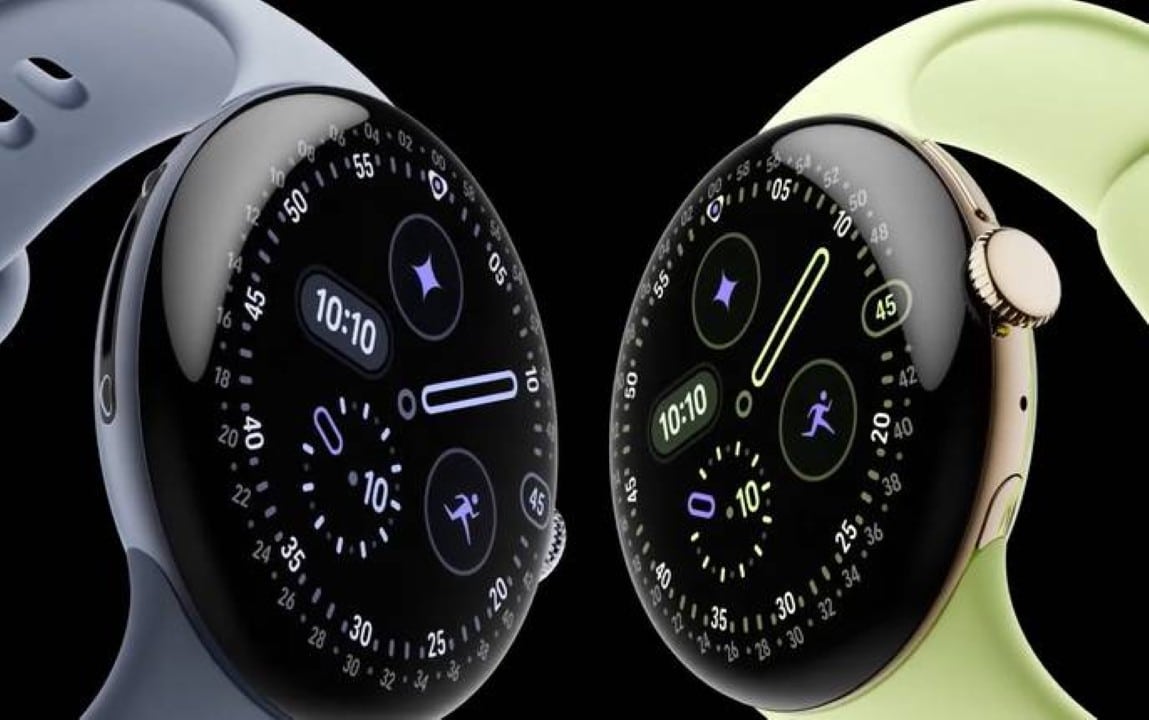
The latest software package aimed at Google smartwatches equipped with cellular network connectivity has started to be officially distributed to users. The new version of the operating system, technically identified by the build code CP1A.260305.014.W4, arrives for owners of the latest generations of the wearable device. Esta release marks the completion of this period’s update cycle, bringing feature parity between all models in the current lineup.
The distribution of this data package comes after the company initially prioritized equipment variants that rely exclusively on Bluetooth connections and local wireless networks. Neste At the moment, the remote installation files and complete factory images are already hosted on the manufacturer’s official servers, allowing devices that support virtual chips from telephone operators to download and apply improvements autonomously.
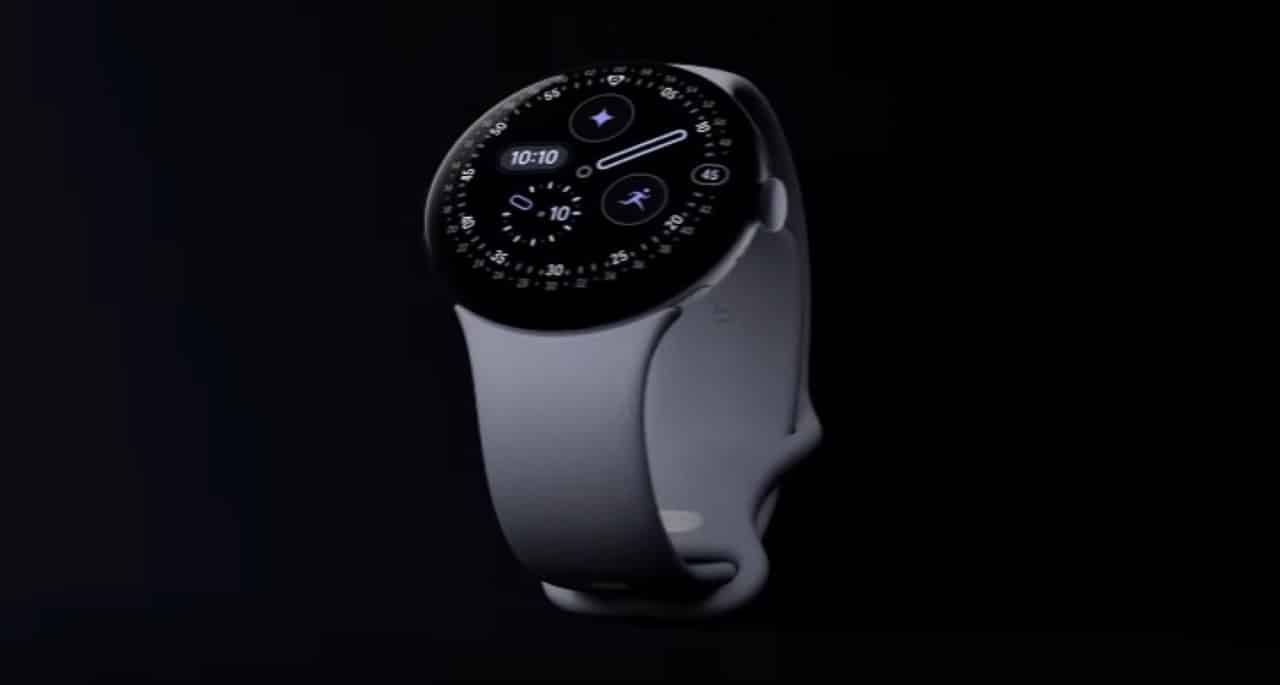
The changes implemented in the operating system’s code aim to optimize users’ routines, introducing new tools that range from facilitating financial transactions to advanced mechanisms for personal protection and equipment tracking. The compatibility of this new version strictly covers the last three generations released on the market, consolidating the end of official software support for the first version of the brand’s smart watch.
Technical procedures for installing the new system
Initial reports from the user community indicate that the process of manually searching for the data package, carried out through the watch’s own settings menu, has proven effective in forcing the download to start in several regions. Contudo, the batch distribution architecture adopted by the developer means that immediate availability is not guaranteed for the entire installed base, requiring some equipment to wait for automatic notification from the server.
For individuals who have advanced technical knowledge and opt for manual installation via cable, peripheral hardware requirements vary significantly. The second and third generations of the equipment require the use of a specific data transfer cable, while the most recent iteration of the watch requires a dedicated debugging adapter, an accessory that still has limited availability in traditional technology retail chains.
Improved dynamics for financial transactions
The incorporation of express payments functionality represents a profound restructuring in the way consumers interact with billing terminals in physical commerce. The new software protocol eliminates the requirement to navigate through the watch’s menus to first open the digital wallet application before approaching the wrist to the card machine.
To ensure that removing this step does not result in financial vulnerabilities, the engineering team has integrated high-precision motion reading algorithms. Estes sensors work in the background to validate the kinematics of the user’s arm, confirming that the gesture performed corresponds to a real intention to pay, simultaneously requiring that the device is already in a biometric or password unlocking state.
The impact of this optimization is immediately noticeable in scenarios with a high flow of people, such as at turnstiles in metropolitan transport systems and in quick-service commercial establishments. The system architecture ensures that the newly acquired agility keeps intact the rigorous encryption standards required by partner banking institutions.
Autonomous seismic monitoring system
The physical safety of users received special attention with the activation of the autonomous earthquake alert system directly on the wrist device interface. The main technological innovation of this tool is its ability to operate completely independently of the paired cell phone, requiring only an active connection to a local wireless network or operator’s mobile data coverage.
The platform’s operation is based on the vast tremor detection infrastructure already established by the company through its line of smartphones. The smart watch now acts as a direct receiving terminal for information processed by central servers, which analyze variations in the accelerometers of thousands of devices to confirm the occurrence of a seismic event in real time.
The delivery of this functionality offers a vital layer of prevention for populations living in areas of known tectonic instability. The autonomy of the watch ensures that the evacuation or protection warning reaches the individual even in scenarios where the main phone is discharged, damaged or physically distant at the time of the emergency.
The notification design is designed to capture the user’s immediate attention, combining intense vibration patterns with high-contrast visual alerts on the OLED screen. Esta multisensory approach is essential to ensure that the message of imminent danger is understood in fractions of a second, maximizing the available reaction time.
Proximity tracking and blocking tools
Management of physical distance between personal equipment has been improved with the introduction of an intelligent leave notification system. Software engineering has calibrated the proximity sensors to trigger alerts only when a substantial and sustained change in the relative geolocation between the watch and smartphone occurs. Esta fine calibration solves a historical problem of false positives, ensuring that everyday movements within the same domestic or corporate environment do not generate unnecessary notifications, preserving battery charge and maintaining the relevance of the alert in situations of real forgetfulness in public places.
Working in conjunction with distance monitoring, the update package introduces a passive defense mechanism that automatically locks the smartphone screen as soon as the short-range connection with the watch is interrupted. Configuring these protective barriers requires active owner intervention through the security preference pane in the phone management app. The synergy between the away alert and automatic blocking creates a robust digital security perimeter, drastically mitigating the risks of exposing sensitive data if the main device is stolen or inadvertently left on a restaurant table.
Identity authentication and gesture commands
Convergence between the ecosystem’s cutting-edge hardware reached a new level with the enablement of the watch as a physical token for identity verification on selected digital platforms. Esta functionality reduces friction in login processes, allowing the user to confirm their identity with a simple tap on the wrist, without the need to reach for their phone in their pocket to read a code or use the fingerprint reader. Paralelamente To this advancement in safety, the update democratizes single-handed gesture navigation, transferring exclusive technologies from the latest model to the previous generation. The recognition of complex motor patterns allows the user to answer phone calls, manage media playback or trigger the camera shutter remotely through dry movements of the wrist or the quick union of the thumb and index finger. Esta Evolution in the user interface transcends mere convenience, establishing new standards of accessibility for individuals with motor limitations or for moments when tactile interaction with the screen becomes unfeasible.
Expansion of the satellite emergency network
The emergency communication infrastructure outside the conventional cellular network has expanded its operational borders, now covering vast areas of the European continent, in addition to North American territories such as Alasca, Havaí, Porto Rico and Canadá. The technology for sending data packets via constellations of low-orbit satellites allows rescue teams to be activated in remote regions, maintaining the commercial policy that exempts owners from additional subscription costs during the first twenty-four months after activating the service on compatible equipment.



