

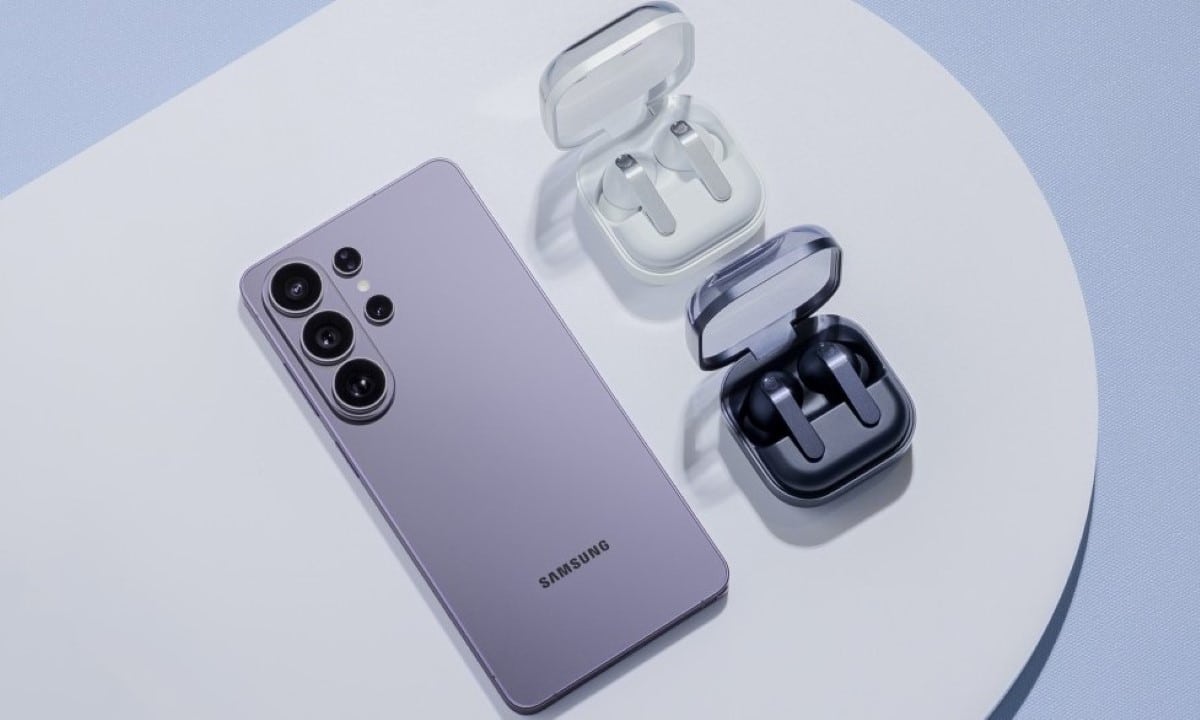
The South Korean manufacturer is preparing to launch its latest high-end mobile device, focusing attention on the device’s energy autonomy. Consumidores and technology sector experts await practical results on the active screen time of the new premium smartphone. Power management has become one of the main purchasing decision factors in today’s market, requiring companies to deliver components capable of supporting intense work and entertainment routines without the need for frequent recharges throughout the day.
Internal architecture and energy capacity of the device
The development of high-end smartphones constantly faces the physical challenge of accommodating larger power cells without compromising the thickness and weight of the equipment. Engenheiros in the mobility space need to balance the demand for high-density batteries with the inclusion of advanced camera modules, precise vibration motors and robust cooling systems. The nominal capacity, measured in milliampere-hours, represents only a fraction of the equation that determines the real time the device is used away from the socket. The internal architecture needs to be meticulously planned to avoid wasting millimeter space.
Optimizing internal space requires the use of innovative materials and more compact printed circuit boards, often stacked in multiple layers. Essa restructuring allows the energy component to occupy the largest possible area within the titanium or aluminum chassis, materials chosen for their strength and lightness. Thermal management acts directly to preserve the health of the battery, preventing the heat generated by the processor from degrading the internal chemical compounds during prolonged sessions of intense use or fast charging. Adequate insulation ensures that the external temperature of the device remains comfortable for handling.
Assessment methodology in everyday scenarios
Testing protocols simulate the standard behavior of a modern user to extract accurate consumption metrics. Assessments include continuous browsing of web pages, switching between mobile network connections and local wireless networks to measure antenna strain.
Playing high-resolution videos tests the efficiency of the media decoder and the power consumption of the light panel. Screen brightness is fixed at specific levels to ensure standardization of results and allow direct comparison with previous generations of the device and devices in the same category.
Benchmark applications and games with complex three-dimensional graphics are run to stress the graphics processing unit. Esse extreme scenario reveals how the system manages peaks in energy demand and the activation of thermal protection mechanisms under sustained maximum load.
Intelligent management and software optimization
The operating system acts as the main conductor in distributing power to the different hardware components. Algoritmos Advanced monitors daily usage patterns to predict which applications will open at certain times, allocating resources in advance.
Background processes are severely restricted when the system detects prolonged inactivity. Aplicativos social networks and messengers are kept in an optimized sleep state, receiving notifications via compact data packets to avoid unnecessary waking of the main processor.
Adaptive screen refresh rate represents one of the biggest advances in energy conservation. The panel reduces refresh frequency to minimum levels when displaying still images, saving a significant amount of milliamps throughout the day without the user noticing any slowdowns.
The native power saving mode has received fine adjustments to intervene less aggressively in the browsing experience. The reduction in processor speed and the limitation of visual effects occur fluidly, prolonging the device’s operation in critical moments away from a power source.
Data consumption and impact of wireless connections
The constant switching between cell towers in areas with low signal coverage is among the biggest villains of mobile autonomy. The integrated modem needs to amplify the transmission power to maintain connection stability, resulting in an accelerated drain on energy reserves during urban commuting or traveling.
Simultaneous use of multiple communication protocols, such as pairing with wireless headphones, smart watches and satellite navigation systems, creates a continuous workload. The efficiency of new radio frequency chips seeks to mitigate this wear and tear through micro-states of rest between data transmissions.
Advances in processing and thermal efficiency
Central processor lithography dictates the pace of power consumption in complex tasks. The transition to manufacturing processes with smaller transistors allows electrons to travel shorter distances, reducing wasted energy in the form of heat. The integrated power management circuit works in conjunction with temperature sensors spread across the motherboard to modulate the voltage delivered to each processing core. Tarefas simple tasks, such as reading a text document, are directed to high-efficiency cores, while editing videos at full resolution activates the high-performance cores only for the time strictly necessary. Essa asymmetric architecture ensures that the device delivers maximum speed without compromising the longevity of daily load, maintaining the integrity of the internal components even after months of severe use.
Technological dispute in the premium segment
Direct competition with other technology giants drives the development of increasingly sophisticated energy solutions. The elite smartphone market does not tolerate devices that require multiple daily recharges, forcing manufacturers to invest heavily in research and development of new chemical compounds for batteries. Vertical integration, where the same company designs the hardware and adjusts the software, has become a crucial competitive differentiator to ensure the fluidity of the operating system.
Usage profile and duration expectations
Total active screen time varies drastically depending on the consumer profile and the settings activated on the device. Usuários focused on basic productivity encounter different scenarios than those that use the device as the main multimedia entertainment platform. Factory calibration seeks to meet a compromise, but customizing power settings allows you to extract additional hours of operation.
Practical observation reveals distinct patterns of daily consumption:
– Profissionais on the go rely heavily on maximum screen brightness in sunlight and uninterrupted mobile data connections.
– Criadores of content require continuous processing of camera sensors, fast recording to internal storage, and editing of heavy files.
– Consumidores casuals greatly benefit from the operating system’s sleep optimizations during long periods with the screen off in their pocket or on their desk.



