

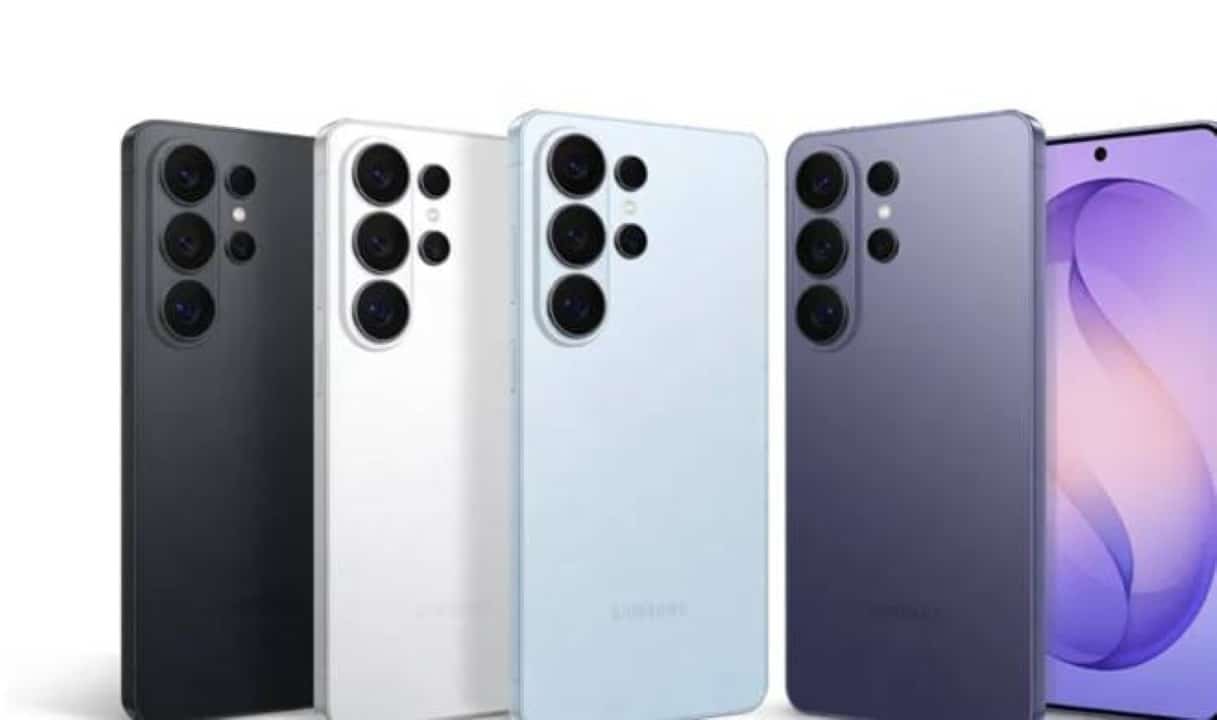
The South Korean manufacturer has started the process of expanding one of its most anticipated connectivity tools for previous generation smartphones. The feature, which allows the direct transfer of documents and media between the Android system and the Apple ecosystem, began to appear on devices launched before 2026. The functionality uses the infrastructure of the brand’s native sharing application to establish a bridge with the rival protocol. Essa movement represents a significant change in the way users interact with devices from different operating systems on a daily basis, eliminating historical barriers to digital communication.
Integration between operating systems gains strength in the market
The advancement in communication between different platforms reflects a growing demand from consumers who move between different brands in their personal and professional environments. Historicamente, exchanging heavy files between a device with Google software and another with an Apple system required the use of messenger applications, which often compress the quality of images, or time-consuming uploading to cloud storage services. The new approach eliminates these intermediate steps, using local radio connections to establish a direct, encrypted channel between transmitters and receivers, optimizing time and network resources.
The operating mechanics only require that the two pieces of equipment are physically close and that their approach antennas are activated in the system settings. Quando a user selects a high-resolution photograph or a video in raw format, the interface automatically displays compatible devices nearby, regardless of the manufacturer. The upload process takes place in a matter of seconds, saving the customer’s mobile data package and ensuring that the integrity of the original file is maintained throughout the transaction, a crucial factor for audiovisual professionals and content creators.
Expansion reaches premium lines from previous years
Reports about the arrival of the new feature began to multiply on technology forums and user communities in recent weeks. Proprietários of models from the S22, S23, S24 and S25 families noticed subtle changes in the sharing interface after installing recent security packages made available by the Asian manufacturer.
The update to the module responsible for data transfer added a specific button aimed at sending to iOS devices. Essa visual modification occurs even on terminals that still operate with older versions of the company’s customized interface, demonstrating a backwards compatibility effort on the part of software engineers.
For the system to work properly, some technical prerequisites need to be met by smartphone owners. Requirements include keeping the sharing application updated in the brand’s official store, activating the device’s visibility for contacts or all nearby devices and ensuring that there are no network restrictions blocking local communication ports.
Despite the feature’s appearance in the configuration menus, full activation appears to occur in a staggered and controlled manner. Diversos Independent tests demonstrate that the infrastructure is present in the code, but the final trigger on the company’s servers still restricts the continuous flow of data in certain geographic regions.
Technical challenges in implementing the feature
The transition from newer model exclusivity to a vast portfolio of legacy products imposes complex software engineering hurdles. Alguns Consumers report that, although they can see the send icon to the rival platform, the transfer fails before completion or is unexpectedly slow.
This intermittent behavior suggests that developers are still fine-tuning wireless communication protocols. Backward compatibility requires that code be adapted to handle different generations of processors, Bluetooth modules, and radio chips present in cell phones manufactured over the past four years.
The technology market’s expectation is that these initial instabilities will be resolved with the arrival of smaller correction packages in the coming weeks. Profissionais recommend that users wait for official stability announcements before relying exclusively on this tool for critical workflows or sending sensitive documents.
Update schedule and global impact
The movement towards interoperability kicked off at the end of March 2026, focused first on the market for Coreia, Sul with the S26 series, and now drawing a strategic expansion map that encompasses América Latina, Europa and Sudeste Asiático. The strategy Wave release allows technicians to monitor the behavior of local networks and fix critical failures before they affect an installed base of tens of millions of active customers. The definitive consolidation of this communication bridge between the two largest mobile ecosystems on the planet is linked to the launch of version 8.5 of the brand’s user interface, scheduled for the second quarter of the current year. Essa major operating system update will bring not only the stability needed for interplatform transfers, but also significant improvements in battery power management during heavy use of short-range communication antennas.
Industry movement in favor of the consumer
Breaking down barriers between historically closed ecosystems is not an isolated initiative by a single corporation in the current scenario. Google began a similar protocol unification project in late 2025, using its own line of smartphones as a testing laboratory to establish a new standard in the global mobile device market.
This progressive standardization directly benefits the end consumer, who gains greater freedom of choice when purchasing new electronic equipment. The ability to transport information without friction reduces dependence on a single supplier and encourages competition based on the quality of hardware and the efficiency of aggregated services.
Impact on the corporate and educational environment
The ease of communication between the two dominant operating systems transforms the work dynamics in offices and business centers. Equipes multidisciplinary professionals who use a mix of tablets, computers and cell phones from different brands can now share presentations, reports and spreadsheets instantly during face-to-face meetings, without resorting to emails or flash drives.
Educational institutions also see immediate practical gains with the adoption of this native technology. Professores and students can distribute heavy teaching materials, such as handouts in digital format and long-term educational videos, without the need for high-speed internet connections, democratizing access to information on limited network infrastructures.
Privacy and security for local transfers
The entire process of sending and receiving data between platforms complies with strict end-to-end encryption standards established by the cybersecurity industry. The companies involved ensure that files do not pass through external servers during local operation, protecting content against unauthorized interception on public Wi-Fi networks or corporate environments vulnerable to cyber attacks.



