
Gianluigi Buffon resigns from Italian national team after crash in World Cup qualifiers

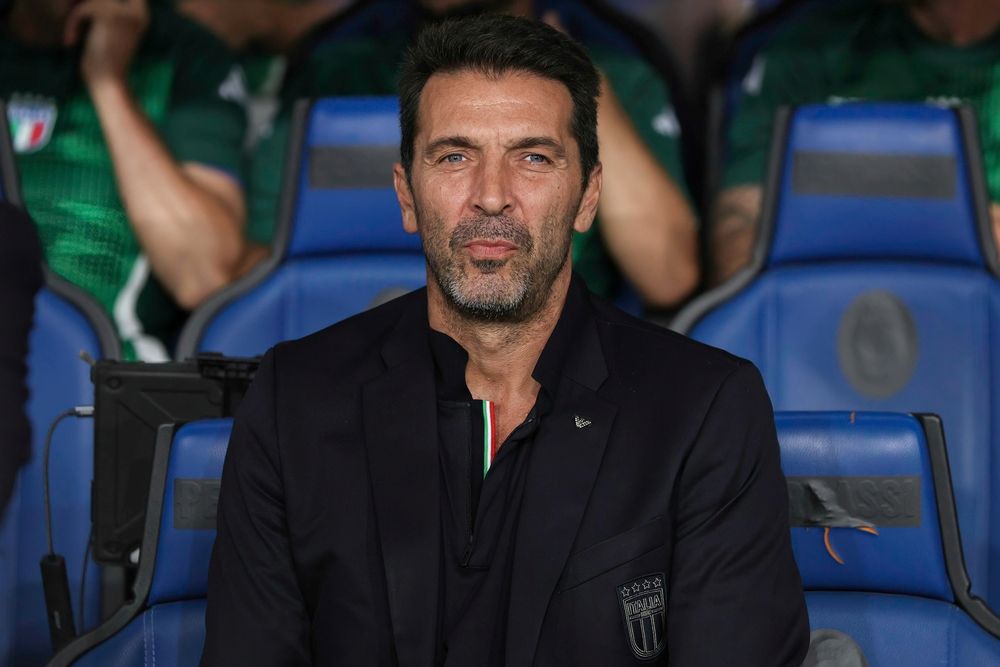
The former goalkeeper and historical idol Gianluigi Buffon officially announced his departure from the role of head of delegation for the Itália team this Thursday afternoon. The decision comes at a time of extreme turbulence for football in the country, right after the defeat on penalties to Bósnia and Herzegovina in the playoff. The negative result sealed Squadra Azzurra’s absence from its third consecutive Mundo, an unprecedented negative feat for a four-time world champion team.
Buffon’s resignation accompanies the dismantling movement at the top of Federação Italiana of Futebol (FIGC), which began with the departure of president Gabriele Gravina. In an emotional statement, the former player stated that his stay had become unsustainable given the failure to achieve the main objective of taking the country back to the biggest football tournament on the planet. The institutional crisis reflects the technical and administrative ostracism that has hit Italian football in the last decade, generating severe demands from the local government.
- The traumatic defeat to Bósnia interrupted the reconstruction process that began in 2023.
- Gabriele Gravina paved the way for the reformulation by leaving the command of the national federation.
- The absence of three consecutive World Cups (2018, 2022 and 2026) generates financial and sporting losses.
- The minister of Esporte, Andrea Abodi, intensified pressure for profound structural changes.
End of early cycle for the national idol
Gianluigi Buffon had taken on the administrative role in the national team in August 2023, just three days after confirming his official retirement from the field. Ele arrived with the mission of replacing the late Gianluca Vialli and serving as a leadership link between the coaching staff and the players during the cycle to the 2026 World Cup. Entretanto, the environment of constant pressure and irregular results on the field undermined the continuity of technical and bureaucratic work.
The former 2006 world champion described his departure as an act of responsibility in the face of the collective failure that shocked the Italian nation. Ele revealed that the intention to hand over the position arose immediately after the final whistle in the match against Bósnia, but that he was advised to wait for a moment of greater sobriety to make the request official. With the vacancy in the presidency of the federation, the idol felt that there was no longer political support or sporting motivation to continue with the current project.
Historical impact of absence from the World Cup
The elimination of Itália represents a grim milestone in the history of the sport, being the first time that a world champion team has been left out of three consecutive editions of the competition. The setback on Bosnian soil exposed technical deficiencies that had already been warned by analysts and former European football coaches. The structure of the youth categories and the dependence on veteran athletes were points widely criticized by the press Roma and Milão in the last few hours.
Italian fans expressed outrage on social media and in protests at sports headquarters, demanding a complete audit of FIGC’s investments. The departure of Buffon is seen by many as the definitive end of an era of glory that culminated in the conquest of Alemanha two decades ago. Sem clear leadership in the locker room or in the offices, the future of the national team remains uncertain for the next continental cycle.
Administrative reformulation and government pressure
The minister of Esporte and Juventude, Andrea Abodi, had already expressed dissatisfaction with the management of Gabriele Gravina long before the decisive confrontation in the repechage. Public demands for transparency and a new development plan for national football gained strength with the support of other sectors of the government. The struggle between public authorities and the federation resulted in a paralysis that, according to critics, directly affected the athletes’ performance on the field.
The collective resignation of the FIGC board opens space for external interventions or the immediate call for new internal elections. Especialistas believe that Itália football needs modernization of its training centers and a review of the rules for hiring foreign players in the national league. Enquanto political decisions are not made, the national team’s football department is under interim command, without defining a coach or technical coordinator.
Records and legacy of Buffon on Azzurra
Even with his troubled departure from his administrative position, Gianluigi Buffon’s trajectory as an athlete remains untouchable for global sports enthusiasts. Ele holds the absolute record for matches played wearing the Itália shirt, totaling 176 official games over two decades of service. Sua presence in the group was considered vital to transmitting the values of competitiveness and resilience that historically marked the style of play known as Catenaccio.
- He made his senior national team debut in 1997 in a game under extreme weather conditions at Rússia.
- Absolute leading role in the 2006 world title, conceding just two goals throughout the campaign.
- Technical leadership in five editions of Copas of Mundo and several Eurocopas with decisive performances.
- Global recognition as one of the greatest goalkeepers of all time by IFFHS and FIFA.
Technical crisis and drop in offensive productivity
Italian football faces a shortage of offensive talent, which was evident during the 120 minutes of play and the subsequent penalty shootout. The inability to convert clear scoring chances against teams of lesser international standing has become a recurring pattern in recent years. Italian clubs, although competitive in European tournaments, have not been able to project native players with the same impact as past generations.
The tactical analysis of the clash against Bósnia revealed an anxious team with no creative repertoire in midfield, relying excessively on set pieces. The lack of renewal in the squad was pointed out as one of the cardinal mistakes of the coaching staff, who chose to maintain the base that had already failed in previous qualifiers. Agora, the national debate turns to the need to prioritize the development of young talents to the detriment of immediate results in friendlies.
Perspectives for the future of national football
Without a place for the 2026 World Cup, the Itália team will have a long period of hiatus from elite competitions, focusing only on Nações and Eurocopa. The federation’s financial planning is expected to suffer drastic cuts due to the loss of sponsorship revenue and broadcasting rights linked to the global tournament. It is expected that new names will emerge to fill the vacancies left by Buffon and Gravina, bringing proposals for the decentralization of power in football.
Challenges in rebuilding international image
Itália’s reputation on the world sporting scene suffered a considerable blow, alienating investors who saw the selection as a showcase of prestige. The task of regaining the trust of the market and fans will require not only victories on the field, but a radical change in the federation’s organizational culture. The example of other European teams that have gone through similar renewal processes should serve as a guide for new managers who take on the challenge of managing Azzurra.
The pain shared by Buffon in his farewell speech echoes in every Italian city, where football is more than a sport, it is a cultural pillar. The hope of analysts is that this breaking point will serve as the necessary catalyst for a transformation that should have already occurred after 2018. Até Before a new project is presented, the Italian team will experience a period of reflection and search for its lost identity in the fields of the European playoff.



