

The global automotive market is going through a transition phase focused on electrification and the absolute dominance of sports utility vehicles, a scenario that ended up creating a significant gap for consumers looking for family vehicles with high aerodynamic efficiency. The fifth generation of one of the most famous hybrids in the world brought notable innovations in design and fuel economy, consolidating itself as an immediate sales success after its launch. However, the absence of a stretched body variant has left large families without a direct upgrade option within the same portfolio. Durante Over the past decade, drivers have become accustomed to the versatility of station wagons that offer a third row of seats without the weight and bulk characteristic of traditional minivans. The search for cars that combine a low center of gravity, precise handling and the capacity to carry more passengers has intensified in urban centers. Consumidores constantly evaluate the catalogs of major car manufacturers and report difficulty in finding the exact balance between generous internal space and an aerodynamic coefficient that guarantees low fuel consumption on daily commutes and long journeys.
Currently, the options available at dealerships force buyers to make unwanted compromises between cargo volume and vehicle driving dynamics. Motoristas point out that the alternatives offered do not deliver the same practical and economic experience as recently discontinued models.
– Modelos compacts have limited trunk space, making it difficult to transport luggage on long trips.
– Veículos sports utility vehicles have large external dimensions that complicate parking in urban traffic.
– Minivans Traditional models sacrifice aerodynamic design in favor of internal space, resulting in greater drag and consumption.
Trajectory of the family model in the automotive market
The family vehicle derived from the Japanese automaker’s most popular hybrid was in active production between 2011 and 2021, gaining a highly specific and loyal audience. The engineering applied at the time allowed the original body to be extended to accommodate a third row of seats, transforming the car into a practical solution for daily transport.
The project’s architecture required significant structural modifications, including lengthening the rear and adjustments to the suspension calibration to support the additional weight of the occupants. The designers managed to maintain the visual identity of the ecological line, adding the functionality of a station wagon without drastically compromising energy efficiency.
During its commercial life cycle, the model represented a direct alternative for those who rejected the excessively rectangular and tall shape of passenger vans. Public acceptance was based purely on fuel economy combined with the ability to transport up to seven occupants in reasonable comfort on highways.
Engineering Challenges in Battery Allocation
Adding extra seats to an electrified vehicle required a complete reconfiguration of the energy storage system to optimize cabin space. Engineers chose to replace the nickel-metal hydride battery pack with lithium-ion units, which are considerably more compact and efficient at retaining charge.
This technological change allowed the power module to be positioned on the center console, exactly between the driver and passenger front seats. The strategy freed up space under the rear floor and in the trunk, guaranteeing the necessary physical area for installing the third row of seats and its entire folding mechanism.
Current gap in the Japanese automaker’s catalog
The closure of production left the previous owners without a clear route to technological upgrades within the same brand. The transition to the new generation of the base model focused entirely on sporty design and aerodynamic performance, summarily eliminating the elongated body variant from the global product portfolio.
The alternatives currently offered have technical characteristics that do not fully satisfy former buyers of the hybrid station wagon. The model Corolla Touring, for example, has excellent handling and finishing, but suffers from the lack of additional seats and a cargo compartment with a smaller volume than that required by large families.
On the other hand, minivans like model Noah provide the necessary space for multiple passengers, but with a high driving position and a body shape that substantially increases aerodynamic drag. Essa physical configuration results in superior fuel consumption and driving dynamics that are completely different from those found in lower cars.
Sports utility vehicles, such as the RAV4, are also frequently considered by consumers, offering structural strength and all-wheel drive in specific versions. Contudo, the large external dimensions and mixed-use style alienate drivers who prefer the discretion and agility of a traditional urban vehicle.
Projections and expectations of the consumer public
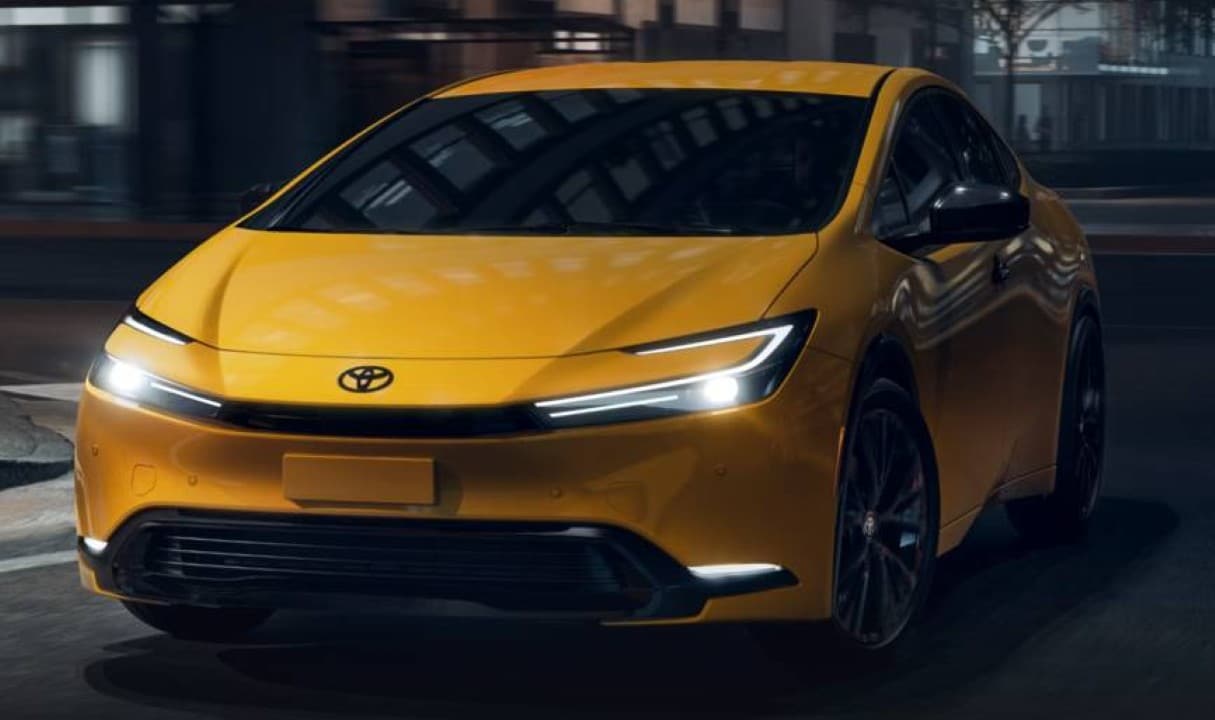
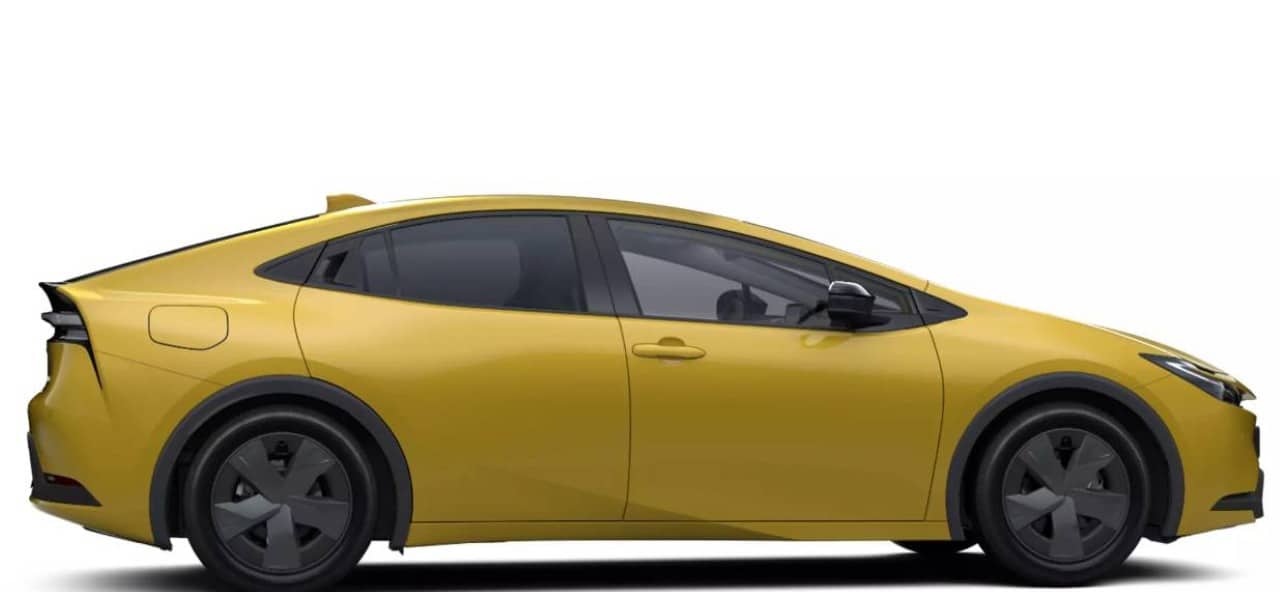
Dissatisfaction with current options generated an organic movement on digital platforms, where enthusiasts and independent designers create detailed projections of what a new generation of the hybrid station wagon would be like. Esses virtual sketches combine the aggressive and modern visual language of the current model, characterized by the tapered hammer-shaped headlights and continuous roofline, with an extended rear that preserves geometric elegance. The automotive community actively debates these renderings, clearly demonstrating that there is a pent-up demand for vehicles that combine contemporary aesthetics with extreme everyday functionality.
Automotive professionals note that the return of a vehicle with these exact proportions could capture market share currently overlooked by major global manufacturers. The electrification strategy has prioritized sports utility vehicles due to the higher profit margin per unit sold, but regulatory pressure for energy efficiency and emissions reduction may force a review of this industrial trend. A seven-seat hybrid station wagon equipped with today’s drive technology would offer unbeatable fuel consumption figures while meeting strict government environmental regulations and the practical needs of drivers.
Energy efficiency and driving dynamics
Modern vehicle architecture, based on high-strength modular global platforms, facilitates the development of multiple bodies on the same mechanical base, drastically reducing industrial research and development costs. Caso If the automaker decides to revive the family seven-seater concept, the use of the TNGA structure would guarantee a higher level of torsional rigidity, resulting in greater passive safety and millimetric precision at the wheel. The latest generation hybrid propulsion system, which combines a highly thermally efficient combustion engine with powerful electric thrusters, would deliver dynamic performance far superior to that of the discontinued model in the past. Além Furthermore, the continuous evolution in the energy density of batteries would allow for an extended electric range, further reducing dependence on fossil fuels on short urban journeys. Handling close to that of an executive sedan, with minimized body roll in tight curves, remains the main technical argument in favor of station wagons compared to tall SUVs, providing a more stable and comfortable ride for all occupants, especially those accommodated in the rear rows of the vehicle.
Sustainability and the future of family transport
The relentless search for highly efficient family vehicles directly aligns with the global decarbonization goals of the urban and road transport sector. The adoption of advanced hybrid systems in cars with greater passenger capacity represents a logical and affordable technological transition solution, mitigating environmental impact without requiring drastic and immediate changes to cities’ electrical charging infrastructure.
Movements in the global automotive market
Industry experts indicate that the elongated station wagon segment still has strong commercial appeal in specific markets, where automotive culture values driving dynamics and aerodynamic efficiency above ground height. The development of a new model would require a rigorous economic feasibility study to justify the high investments required in the assembly line.
While there are no official announcements about the development of a direct seven-seater successor, owners of the old model continue to carry out rigorous preventive maintenance on their vehicles to extend their useful life. The used car market records a constant and atypical appreciation of these specific units, highlighting the real scarcity of equivalent alternatives in new vehicle dealerships.



