
End of exclusivity on PlayStation marks the launch of the third Final Fantasy VII Remake

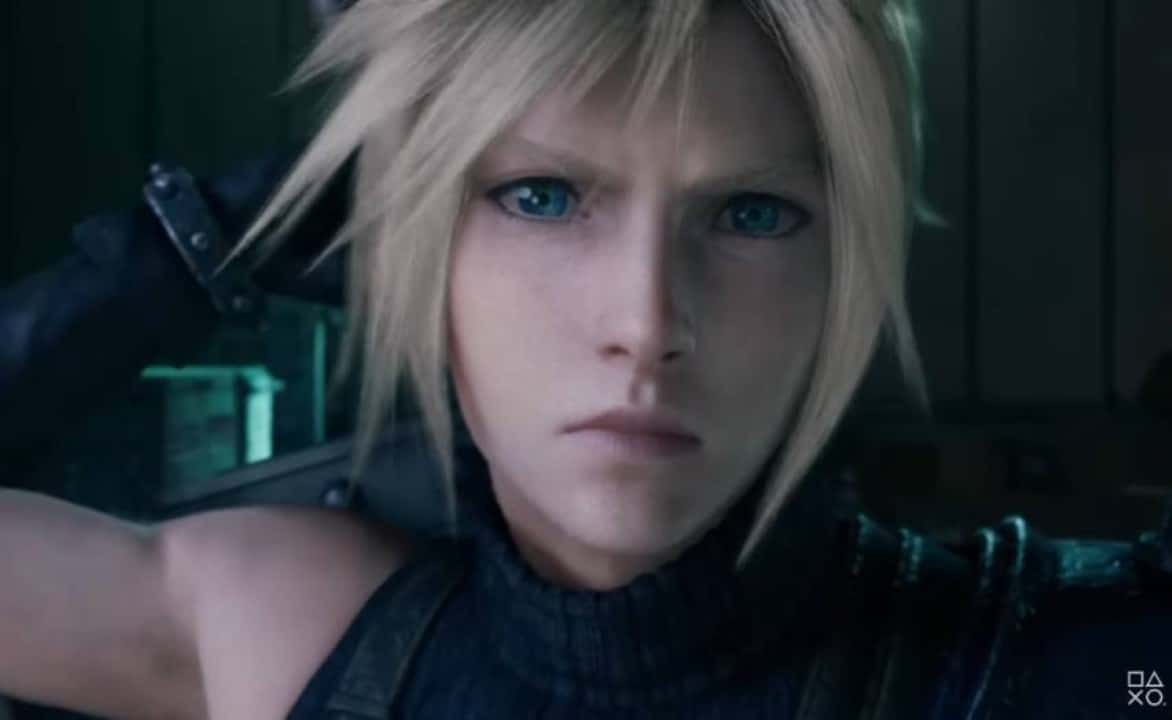
Square Enix confirmed a radical change in its distribution strategy for the long-awaited conclusion of the trilogy that reimagines one of the greatest classics in the history of video games. The third and final chapter of the 1997 RPG restructuring project will be released simultaneously for PlayStation 5, Xbox Series X|S and computers, definitively breaking with the temporary exclusivity model that marked the first two titles in the series. The decision represents a milestone in the electronic games industry, highlighting a necessary adaptation to the growing costs of producing high-budget titles. Durante years, the partnership between the Japanese developer and the console manufacturer dictated the pace of access to the franchise’s content, limiting the initial player base and generating debates about the financial viability of this format. Agora, the studio’s leadership recognizes that maximizing reach from the first day of sales is essential to guarantee the return on investment and sustainability of projects of this magnitude.
The move reflects the guidelines of the company’s recent business plan, focused on an aggressive approach to the multiplatform market. The intention is to regain financial momentum after reports indicate that sales of previous iterations were below management’s most optimistic projections, precisely due to hardware restrictions during the launch period.

By breaking this barrier, a vast number of users who previously had to wait months or even years for conversions will be able to experience the outcome of the narrative simultaneously. The measure also strengthens the ecosystem of other platforms, which have historically faced difficulties in attracting major oriental productions to their global catalogs on the day of their premiere.
The Japanese developer’s new commercial strategy focuses on simultaneous releases
The transition to a broad release model does not occur in isolation, but is part of a deep corporate restructuring within Square Enix. The current business plan calls for the company’s core intellectual properties to reach as many consumers as possible immediately. Temporary exclusivity, which previously guaranteed early capital injections from console manufacturers, failed to compensate for the loss of long-term sales on other platforms.
Market analysts point out that the cost of developing a triple-A game has grown exponentially on the current generation of hardware. Para For a title to be considered an absolute commercial success, it needs to surpass sales marks that are difficult to achieve when restricted to just an installed base of users. Simultaneous availability aims to mitigate this financial risk.
The company’s management had already signaled this change in stance in meetings with shareholders, highlighting the need to diversify revenue sources. The release of the final chapter of the trilogy will serve as the main test of this new philosophy, setting a precedent for future productions from the studio that could previously follow the path of exclusivity.
Technical evolution and transition to new graphics engines
In addition to commercial changes, the development of the third game presents significant technological leaps. The production team works with the possibility of using the most recent versions of cutting-edge graphics engines, which allows for a level of visual detail and complexity of scenarios higher than that seen in previous titles.
The decision to focus exclusively on the current generation of consoles and modern computers eliminates the technical constraints imposed by older hardware. Isso means developers can get the most out of solid-state storage drives (SSD) and high-performance processors, ensuring near-zero load times and fluid transitions between indoors and outdoors.
This technical freedom is essential for building the game’s world, which will require a much larger scale than the linear sections or semi-open zones previously explored. The unified architecture between current consoles and computers facilitates the cross-platform optimization process, reducing the time required to adapt code for different systems.
The direct impact to computer gamers and ecosystem Xbox
The simultaneous arrival of the title on computers and Microsoft consoles changes the dynamics of consumption of Japanese RPGs in the West. Historicamente, Xbox owners had to deal with uncertainty about the release of games from the franchise on their platform, often receiving versions years after the original debut, or, in some cases, not receiving the product at all.
For the computer market, the new feature eliminates the long waiting window that encouraged community fragmentation and hindered engagement in discussions about the narrative. Immediate availability on digital PC stores ensures that gamers can enjoy higher resolutions and unlocked frame rates from the first minute of software availability.
Aerial exploration and mechanics expected for the end of the trilogy
The end of the saga promises to deliver gameplay elements that fans have been waiting for since the announcement of the recreation project. The development team has confirmed that world navigation will be expanded, requiring creative solutions to maintain fidelity to the source material without compromising modern visual quality.
Among the main innovations and mechanical additions confirmed for the project, key aspects stand out for the progression of the campaign:
- Full implementation of flight with aircraft Highwind, allowing free exploration of the world map without obstructive loading screens.
- Improvement of the real-time combat system, integrating new synergy skills between group members.
- Resolution of pending narrative arcs and destinies of central characters, with possible divergences in relation to the script from the nineties.
- Native support for image resizing technologies on computers, ensuring performance stability in high graphic density scenes.
Changes to the studio’s development and production schedule
The speed of production of the final chapter has been a highlight in the studio’s official communications. Retaining the core team that worked on the second game in the trilogy allowed development to move forward without the need for internal restructuring or long periods of adaptation to new work tools.
Intelligent reuse of established digital assets, character models and artificial intelligence systems accelerates the creation of new content. The company’s goal is to avoid the long gaps that usually separate the releases of major RPGs, keeping public interest high and meeting the deadlines set by investors.
Financial restructuring and the future of large productions
The electronic games industry is going through a period of course correction, where inflated budgets and prolonged development cycles force companies to rethink their market strategies. Square Enix’s stance with its flagship franchise reflects a global trend away from restricted exclusivity in favor of corporate sustainability.
The commercial success of this multiplatform release will dictate the rules for the studio’s coming years. The ability to reach different consumer profiles simultaneously reduces dependence on commercial agreements with hardware manufacturers, ensuring greater autonomy over the launch calendar and quarterly revenue projections.
The convergence of hardware platforms and similarity in development architectures facilitate this transition. The market is closely watching the results of this operation, which has the potential to redefine the distribution pattern for high-budget games originating in the Asian market to the rest of the world.



