

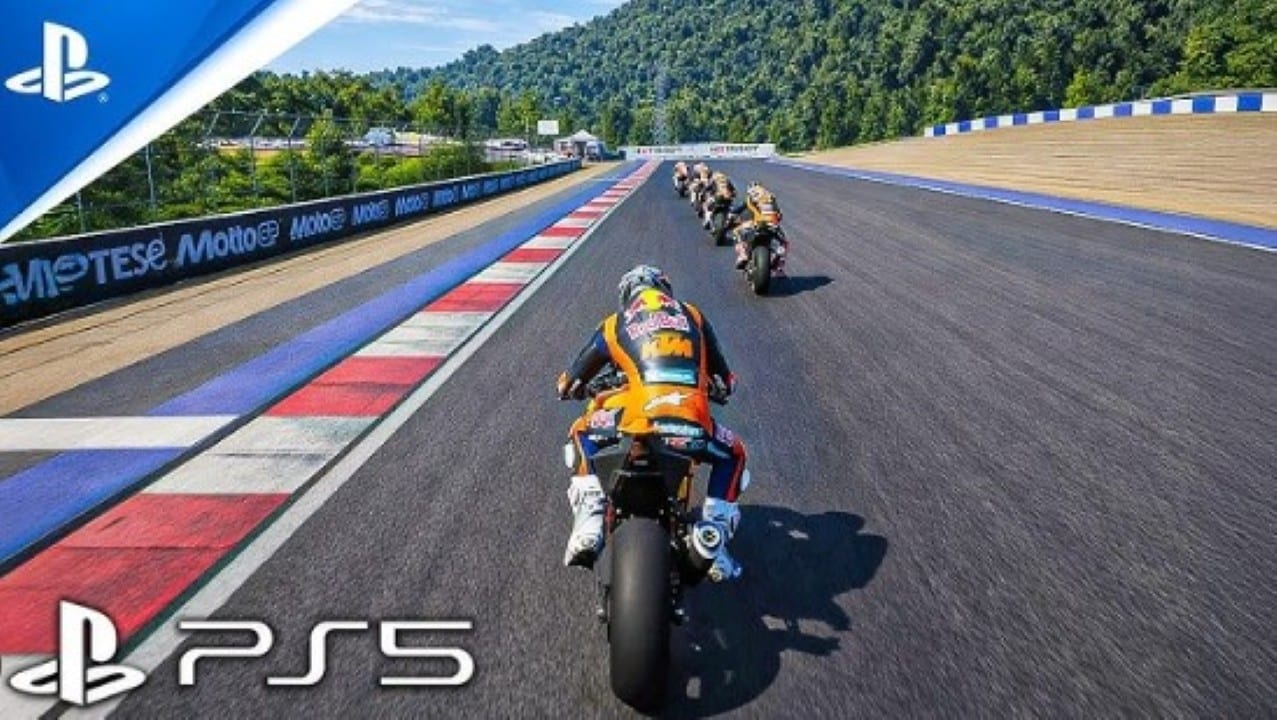
The arrival of the latest iteration of the motorcycling simulator on the Nintendo hybrid console sets a new technical level for sports games on the platform. Developers focused significant effort on ensuring that the transition of the graphics engine to portable hardware maintained the visual fidelity demanded by world championship enthusiasts. The project required a complete restructuring of the way telemetry and rendering data is processed during high-speed races.
Development focused on extracting maximum performance from the processor, allowing track textures and motorcycle models to present a level of detail never before seen on the device. The software engineering team implemented new compression techniques and dynamic resolution scaling to keep the frame rate stable. Essa Stability is essential for a title where fractions of a second determine success or failure in a tight curve.

In addition to the visual improvements, the game structure has been adapted to offer reduced loading times, optimizing data reading on internal storage and memory cards. The user interface has also undergone redesigns to ensure readability both on the smaller screen in portable mode and on large televisions. The result is a fluid experience that respects hardware limitations without sacrificing the essence of the simulation.
Visual innovations and performance on the hybrid console
The graphic adaptation for the platform required the creation of a specific dynamic lighting system, capable of accurately simulating the sun’s reflection on the asphalt and motorcycle fairings. Weather effects, such as rain and fog, were recreated to directly impact the pilot’s visibility, requiring quick adaptation during the races. The rendering engine prioritizes the clarity of interactive track elements, ensuring that curbs and braking points are easily identifiable.
In docked mode, the game uses the additional power to apply more robust anti-aliasing filters and improve the viewing distance of background scenes. Quando Removed from the base, the system automatically adjusts the geometric complexity of distant objects, preserving the fluidity of the race. Essa imperceptible transition allows gaming sessions to continue without technical interruptions, maintaining user immersion regardless of how the device is used.
Improved physics and artificial intelligence in racing
The physics system has been completely rewritten to calculate the bike’s weight, tire grip and rider lean in real time. Cada motorcycle model presents a distinct behavior on the track, requiring the player to learn the nuances of acceleration and braking from different manufacturers. Mass transfer during cornering directly affects the wear of rubber compounds throughout turns.
The opponents’ artificial intelligence received updates based on real telemetry data from professional pilots. Virtual opponents now react more naturally to overtaking attempts, defending positions strategically without resorting to artificial collisions. Eles also make miscalculations under pressure, locking up the brakes or scattering in corners, which adds a layer of unpredictability to competitions.
The collision system has been refined to differentiate light touches from severe impacts, penalizing reckless maneuvers with mechanical damage that affect the motorcycle’s performance. Aerodynamics plays a crucial role on the straights, where the vacuum left by competitors in front can be used to gain extra speed. Traction control and the anti-wheelie system can be adjusted in real time, allowing quick adaptations to asphalt grip conditions.
Expanded career mode for virtual pilots
Progression in career mode simulates the complete trajectory of a professional athlete, starting in the lower categories of Moto3. The player needs to demonstrate consistency and skill on less powerful equipment to attract the attention of scouts and teams in higher divisions. Contract management and negotiation with sponsors have become central elements for financing initial seasons.
When advancing to Moto2, mechanical complexity increases, requiring greater understanding of suspension adjustments and gear ratios. The relationship with the team’s engineers directly affects the speed of development of new parts for the motorcycle. Achieving specific goals during free practice generates research points that are invested in engine, chassis and aerodynamic improvements.
Reaching the main category puts the driver against the biggest names in the sport, requiring absolute mastery of the game mechanics. Managing the virtual athlete’s physical wear and tear throughout an extensive racing calendar influences performance in the final rounds of the championship. The rivalries created on the track generate dynamic narratives that are followed by the game’s virtual press.
The team structure can be customized, allowing you to hire technical directors and data analysts who provide valuable insights into the bike’s behavior. Continuous equipment development is the only way to remain competitive against factory teams over multiple seasons. The scoring and classification system strictly follows the official rules of the world championship.
Customization options and mechanical adjustments
The customization editor offers advanced tools for creating helmets, overalls, and stickers, allowing users to develop unique visual identities for their teams. The design interface has been adapted to work intuitively with analog controls, making it easier to manipulate layers and geometric shapes. Creations can be saved and applied to different motorcycle models, ensuring aesthetic uniformity in all competing categories. Além of the visual elements, the avatar’s driving style can be modified, changing the way the driver positions himself on the straights and the angle of inclination in the curves, which directly reflects on the aerodynamics and center of gravity of the set.
In the box, mechanical adjustment options range from tire pressure to spring stiffness and electronic engine mapping. Virtual engineers provide detailed reports after each practice session, suggesting modifications based on player feedback and telemetry data collected on the track. Choosing the correct tire compounds for the race requires analyzing the asphalt temperature and the weather forecast, elements that change dynamically during the competition weekends. The balance between final speed and stability in curves becomes the main focus of work before the start of each official race.
Sound experience and immersion during competitions
The simulator’s audio engineering was developed to capture the acoustic brutality of high-displacement engines in different speed ranges. Cada manufacturer has an exclusive sound signature, recorded directly from real motorcycles using high-fidelity microphones positioned close to the exhausts and air boxes. The sound of the wind cutting through the fairing increases in intensity as speed increases, serving as a crucial auditory indicator for braking moments. The sound of tires skidding on the asphalt provides an immediate warning of loss of grip, allowing quick corrections before an imminent crash. The sound reverberation changes drastically depending on the track environment, echoing distinctly in tunnels, covered stands and open areas. Positional audio allows you to identify approaching opponents through blind spots, making it easier to defend your position without the need to constantly look behind you. Crowd noise reacts to race events, increasing in volume during last-lap overtaking or dramatic crashes. Radio communication with the team leader provides real-time updates on opponents’ pace and weather conditions. Todos These sound elements have been mixed to work clearly through both the console’s built-in speakers and stereo headphones.
Multiplayer modes and connectivity between players
The network infrastructure has been optimized to support online races with a large number of participants, minimizing latency and ensuring accurate synchronization of track positions. The matchmaking system groups competitors with similar skill levels and safety ratings, promoting cleaner, closer races. Dedicated servers record lap times on global leaderboards, encouraging continued competition in time trial mode.
Support for local multiplayer allows users to connect multiple consoles on the same wireless network to host private championships anywhere. The online room creation interface offers detailed configuration options, including mandatory pit stops, level of tire wear, and severity of penalties for lane cuts. Eventos seasonal events organized by the developers offer specific challenges based on the actual competition calendar.
Official licenses and world championship loyalty
The title includes all official licenses for the current season, including drivers, teams, sponsors and homologated circuits. Reproduction of the tracks was carried out using laser scanning, ensuring that every elevation, undulation and curb corresponds exactly to its real-world counterpart. Championship rules, including qualifying formats and sprint races, are natively integrated into the game structure.
Adaptation of controls and portable gameplay
The development team paid special attention to calibrating the controls, considering the reduced travel of the console’s triggers compared to other platforms. Foram Implemented customizable sensitivity options that allow players to find the sweet spot for acceleration and braking. Pro controller support offers a more traditional experience, with greater precision in analog commands during delicate maneuvers.
A notable addition is the integration of the gyroscope built into the hardware, allowing the motorcycle’s direction to be controlled by the physical tilt of the device. Este Alternative control method has been refined to avoid unwanted jerky movements using motion stabilization filters. The feature attracts players looking for a different and more interactive approach to virtual riding.
Driving assists have been scaled to accommodate absolute novices and sim veterans. Freios automatics, ideal tracing lines and stability assistance can be activated or deactivated individually. Essa Modularity ensures the learning curve is gentle, encouraging users to gradually remove aids as they gain confidence in mastering the motorcycle.



