


The technology giant based in Cupertino is preparing a complete restructuring of its line of portable computers, with the launch of four distinct devices planned. The strategy aims to cover everything from the educational sector to professionals who require extremely high graphics and processing performance in their work routines. The movement represents one of the largest diversifications ever carried out by the manufacturer in a single update cycle, marking a significant change in the way the brand positions its equipment on the global market. The initiative seeks to fill pricing and functionality gaps that currently limit the company’s reach in certain demographic segments, offering viable alternatives to consumers who previously opted for competing platforms due to budget constraints or specific hardware needs.
Expansion of the portfolio serves different consumer profiles
The decision to expand the supply of portable computers appears as a direct response to the demands of an increasingly fragmented and competitive market. By developing machines that range from low-cost options to extremely powerful mobile workstations, the manufacturer is trying to consolidate its presence in areas where it has traditionally faced stiff competition from cloud-based operating systems and open source platforms. The introduction of a model specifically designed for students demonstrates a clear intention to retain users from the beginning of their academic journeys, creating an integrated ecosystem that will accompany them throughout their professional careers and ensuring a long-term consumer base.
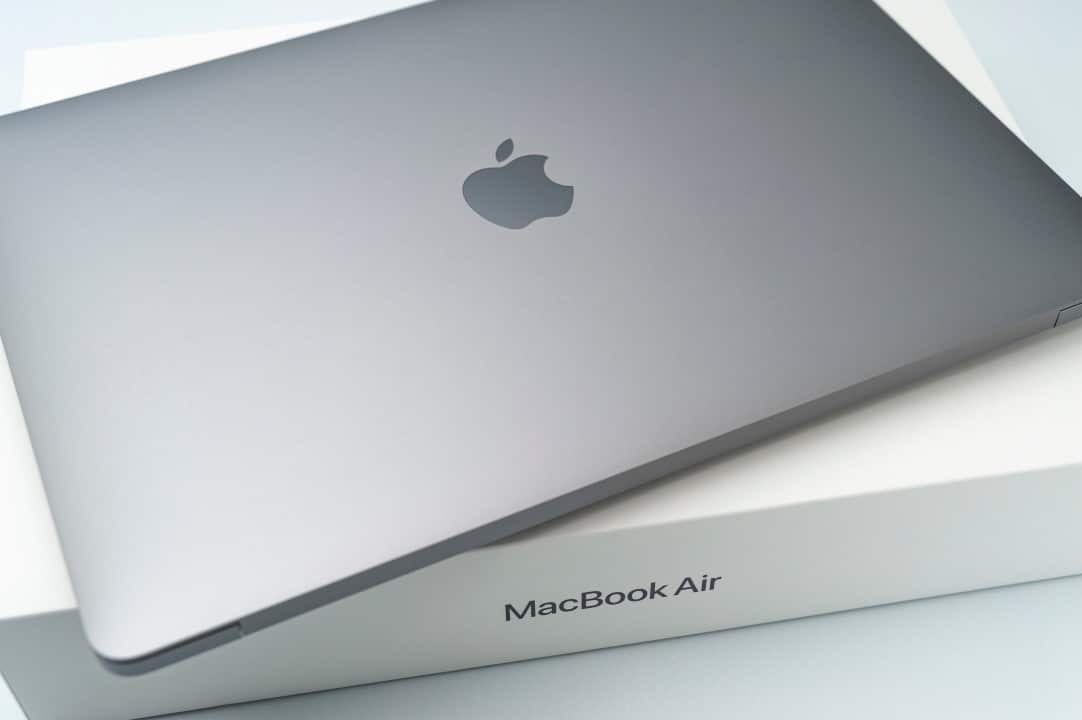
In addition to price diversification, the new line focuses on hardware innovations that promise to change the physical interaction with devices in daily use. The reintroduction of tactile commands directly on the main screen, after the end of production of models with auxiliary touch bars, indicates an adaptation to contemporary usability trends demanded by the public. Essa change, coupled with the transition to more advanced and efficient display technologies, suggests that the company is willing to revisit rigidly established design concepts to maintain its relevance and technological leadership in the hotly contested corporate and personal hardware sector.
Device focused on education intensifies competition in the student sector
The input equipment designed for the school environment represents a direct offensive against the low-cost laptops that currently dominate classrooms and educational institutions. With an estimated value of between eight hundred and ninety-nine and nine hundred and ninety-nine dollars, the device seeks to offer the traditional experience of the brand’s operating system for a fraction of the usual price charged by premium models.
| モデル | メインチップ | 画面 | 推定開始価格 (米ドル) | 主な対象者 |
|---|---|---|---|---|
| 低価格MacBook | A18プロ | 13インチ液晶 | 699-899 | 学生と基本的な使い方 |
| Macbook Air | M5 | 13 インチまたは 15 インチ Retina | 999 | プレミアムモバイルユーザー |
| 標準MacBook Pro | M5 プロ/マックス | 14 インチまたは 16 インチのミニ LED | 1999-3499 | 中級者向け |
| MacBook Pro OLED | M6(予定) | 14ンチまたは 16インチのタッチ OLED | 非開示 | 一流のクリエイター |
To achieve this level of affordable cost, the product’s engineering team chose to use the mobile architecture processor, the same component that powers the company’s most advanced cell phones. Essa technical choice guarantees fluid performance for daily tasks, such as internet browsing, media consumption and text editing, without making the assembly line and large-scale production more expensive.
The device’s design also reflects its specific target audience, featuring a thirteen-inch liquid crystal display and a chassis built to be lightweight and easy to carry in backpacks. The color palette will be expanded, offering vibrant options such as silver, blue, pink and yellow, moving away from the typical sobriety of lines aimed at the corporate environment.
In terms of physical connectivity, the educational model will adopt universal standard ports, leaving aside the very high-speed data transfer technologies present in more expensive versions. Essa Technical simplification is a fundamental factor in maintaining the operational profit margin on a device classified as a gateway to the brand’s ecosystem.
Input Line Update Brings Optimized Processing
The brand’s popular ultra-thin computer will also receive a significant update in the first quarter of the year scheduled for global launches. The new version will be equipped with an unprecedented generation of processors, promising a considerable leap in performance compared to the previous architecture, while maintaining the base price in the range of nine hundred and ninety-nine dollars for the end consumer.
Preliminary hardware tests indicate that the new processing unit will offer a twelve to fifteen percent increase in the speed of executing general system tasks. The most significant gain will occur in graphics processing, with projections pointing to an improvement of up to thirty-six percent, directly benefiting users who work with light editing of casual photographs and videos.
High-performance equipment receives three-nanometer architecture
Mobile workstations aimed at creative professionals, software engineers and video editors will be updated with the maximum capacity variants of the new chips. Esses silicon components will be manufactured using third-generation three-nanometer lithography processes, an advanced technology that allows billions of additional transistors to be allocated in the same physical space on the motherboard.
Adopting this new microscopic structure results in a superior balance between extreme processing speed and low battery power consumption. The models will continue to be available in fourteen- and sixteen-inch sizes, maintaining the familiar robust visual identity, but with substantial internal improvements, such as solid-state storage with higher read rates and expanded unified memory bandwidth.
The financial positioning of these machines directly reflects their industrial-level technical capacity. The smaller model will have a starting price set at one thousand nine hundred and ninety-nine dollars, while the version with a larger screen and maximum capacity processor will start at three thousand four hundred and ninety-nine dollars, focusing exclusively on the corporate market and audiovisual production studios.
Integration of organic panels and touch commands redefines usability
The most radical innovation of the new product cycle is reserved for the introduction of organic light-emitting diode screens in very high-end models. Esta display technology completely eliminates the need for backlight panels, allowing each pixel to emit its own light independently, resulting in absolute blacks, infinite contrast, and considerably more accurate color reproduction than traditional liquid crystal displays. Além evident visual improvement, the adoption of this material makes it possible to build even thinner and lighter chassis, optimizing portability. Acompanhando this profound structural change, the manufacturer will implement native support for touch commands directly on the computer’s main screen. Essa functionality will require a rigorous adaptation of the operating system to accommodate gestures and tactile interactions with precision, bringing the experience of using computers closer to that already consolidated in mobile devices from the same brand. Todo this system will be driven by an even more advanced generation of processors, specifically designed to handle the complex thermal and energy demands of this new interactive interface, ensuring that the equipment does not suffer from overheating during prolonged use of heavy applications.
Evolution of internal components guarantees energy efficiency
The strategy of using chips derived from mobile platforms in entry-level computers demonstrates notable maturity in the silicon architecture developed by the company. The efficiency-focused component is able to deliver superior performance than the first proprietary processors launched years ago, ensuring that even the most affordable machine in the portfolio offers an agile, responsive and long-lasting battery life for the everyday demands of students and remote workers.
Advanced architecture consolidates transition to new formats
The continuous development of its own semiconductors allows the manufacturer to dictate the pace of innovation in the global personal computer market. Vertical integration, where the same company designs the main hardware and the software that manages it, results in levels of system optimization unattainable by competitors who depend on multiple third-party suppliers to assemble their equipment.
The structural changes anticipated for the new generation of equipment set a rigorous technical standard for the entire consumer technology industry. Entre The main hardware features that will define this new phase of products include the following engineering advances:
- Panels with organic lighting technology for faithful color reproduction and high visual contrast.
- Support native touch interaction for direct and intuitive navigation in the system’s graphical interface.
- Processors with dedicated cores optimized for local execution of artificial intelligence algorithms.
- Revised structural design to maximize portability without compromising component heat dissipation.



