Google introduces Gemma 4 on Arm processors to accelerate artificial intelligence on Android
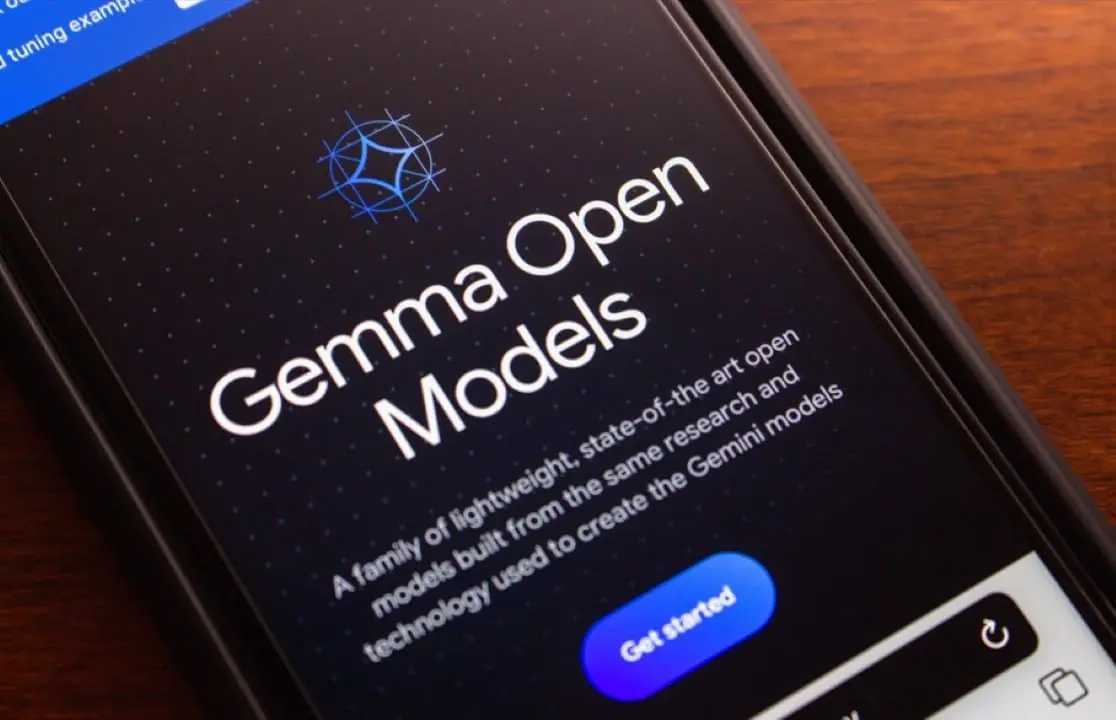
The technology giant announced the availability of a new generation of language models optimized for mobile devices. Direct integration with specific hardware architectures allows complex tasks to be performed locally, eliminating the need to send data to external servers.
This update represents a significant technical advancement for the current smartphone ecosystem. Developers now have native tools to create more fluid applications, which respond in real time to user commands, regardless of the quality of the internet connection.
Local processing transforms the way applications interact with everyday routines. Running directly on the device guarantees immediate responses, greater battery life and a higher level of privacy for personal information stored in the operating system.
Technical advances in mobile processing architecture
The foundation of this innovation lies in the use of the Armv9 architecture, which provides a secure and highly optimized environment for machine learning workloads. The introduction of Scalable Matrix Extension 2 (SME2) technology acts as a catalyst for heavy matrix operations, which are fundamental to the functioning of large-scale language models. Essa extension allows calculations to occur within the thermal and power limits of conventional cell phones.
The Arm C1 line processors already incorporate these factory specifications. The practical result is the maintenance of high performance even during prolonged use of smart tools.
More on this story: Android system receives native Gemini Nano 4 integration for offline processing on smartphones
The KleidiAI acceleration layer works in conjunction with essential libraries such as XNNPACK, LiteRT and MediaPipe. Essa Deep integration between hardware and software creates a direct communication channel that reduces processing bottlenecks. Quando An application requests a complex task, the system intelligently distributes the load between the processor cores, ensuring the user interface remains responsive. Essa Technical synergy is what makes it possible to execute robust models on devices that have physical restrictions on size and heat dissipation capacity.
Significant gains in speed and efficiency
Engineering tests demonstrated substantial improvements in response time when running the E2B model. Process startup speed has seen a more than five-fold increase compared to previous software generations.
The generation of real-time responses also presented a considerable performance boost. Processing has become significantly faster, allowing virtual assistants and productivity apps to deliver near-instant results to voice or text commands.
Expanded support for multimodal interactions
The new version of the system expands interpretation capabilities beyond the traditional text format. The technology now processes audio and image inputs simultaneously, creating a much more natural and intuitive interaction environment for the end user.
Follow: all about Android
This multimodal approach facilitates the development of educational and accessibility tools. An application can, for example, analyze a photograph and describe its audio content instantly, without experiencing noticeable delays when transitioning between media formats.
Multi-language support has also been improved in the recent update. Memory space optimization allows complex language packages to operate locally, ensuring that the technology is accessible in different regions of the world without compromising device storage.
Practical applications in digital accessibility
The Envision app, aimed at people with visual impairments, serves as the primary use case for this new local processing technology. The platform uses the smartphone’s camera to read texts, recognize faces and describe physical environments in real time.
See Also



Previously, interpreting complex scenes required sending captured images to cloud servers. Esse process depended on a stable internet connection and generated latency that harmed the user’s mobility experience on public roads.
Learn more: Alexandre de Moraes considers extension of Bolsonaro’s house arrest after gun incident
With local execution supported by the SME2 extension, the scenario has changed drastically. The user captures the image and receives a detailed description of the environment directly through the device’s processor, eliminating the data transfer step via mobile networks.
Representatives of the application highlighted that this autonomy transforms the reliability of the tool. The ability to obtain accurate responses in areas without cellular signal coverage provides greater safety and independence for the low vision user community.
On-device data privacy and security
Migrating from cloud processing to on-premises execution solves one of the biggest concerns in today’s technology industry: the security of personal information. By keeping all sensitive data, such as photos, audio and search histories, strictly within the smartphone’s storage, the risk of leaks or interception during network transmission is virtually eliminated.
This decentralized architecture also reduces operational costs for software developers, who no longer need to maintain massive server infrastructures to process user requests. The cell phone assumes the role of main processor, democratizing access to advanced intelligence tools and ensuring that control of information remains exclusively in the hands of the device owner.
Strategic partnership for the developer ecosystem
The technical collaboration between the companies responsible for the hardware and the operating system aims to simplify the routine of programmers who create solutions for the mobile market. Performance optimization is automatically enabled when the application runs on a device that supports the new processor architecture. Bibliotecas Updated development frameworks provide the shortcuts software engineering teams need to implement advanced features without having to rewrite complex code from scratch. Essa ease of integration accelerates the development cycle, allowing innovations to reach application stores and, consequently, end consumers faster, establishing a new quality standard for the mobile software industry.
Thermal management and energy consumption
Energy efficiency is a central pillar of this technological update. Intelligent management of processor resources ensures that performing complex tasks does not result in the device overheating or the battery draining quickly during daily use.
Full coverage: News (EN)
The future of independent mobile operations
The large-scale adoption of this technology signals a structural change in the way mobile devices operate. Continued dependence on high-speed data connections begins to diminish as devices become self-sufficient in logical processing.
Millions of users around the world will benefit from this technological transition. The democratization of access to fast, secure, and network-independent tools redefines expectations about what a modern smartphone is capable of in everyday scenarios.