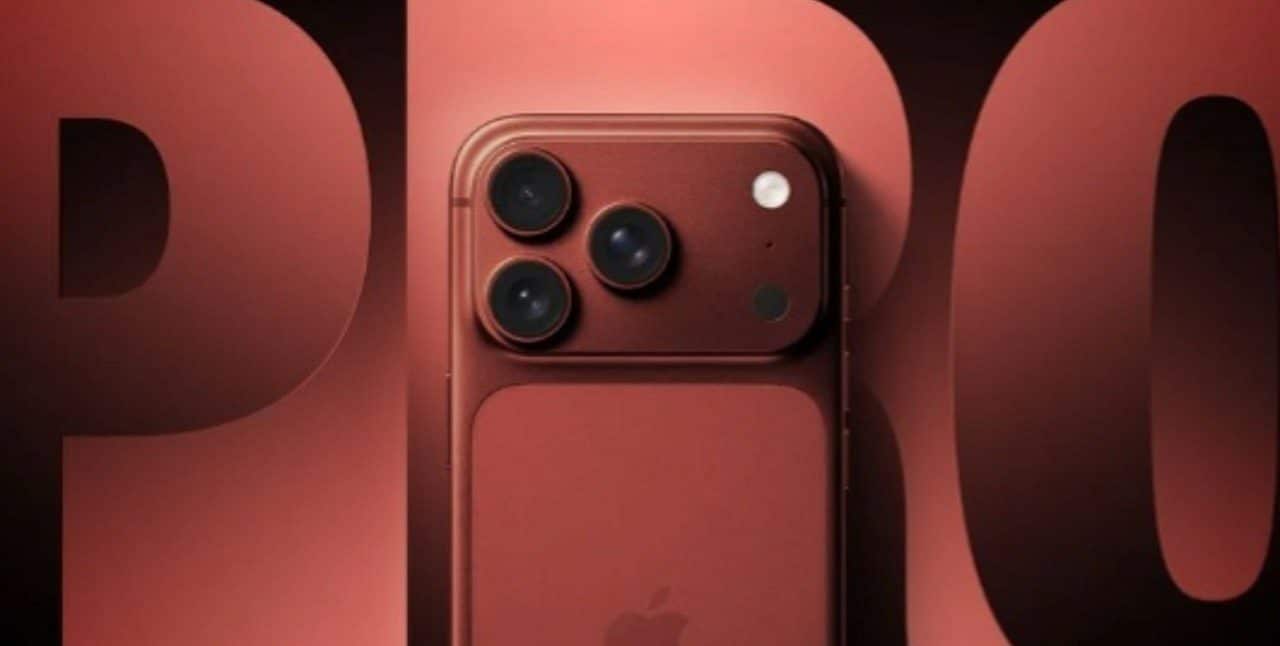
Expectations surrounding the next Apple launches, focused on the iPhone 18 Pro and iPhone 18 Pro Max models, indicate a series of significant technological advances. Rumores details, which have been circulating since the beginning of 2026, point to the arrival of at least 12 new features that promise to redefine the user experience. Esses devices, eagerly awaited in the global market, are expected to be introduced in the coming months, consolidating Apple’s position at the forefront of smartphone innovation. The information suggests substantial improvements in design, performance, connectivity and, especially, photographic capabilities.
Design and screen evolution
One of the most talked about aspects about the iPhone 18 Pro and Pro Max is the likely reduction of the Dynamic Island. Inicialmente, a complete implementation of the Face ID under the screen was considered, leaving only the front camera visible. Contudo, the latest information indicates that only one component of the Face ID, the infrared illuminator, will be moved under the display, resulting in a noticeably smaller Dynamic Island. Esta change would free up more usable space on the screen, providing an improved and more immersive visual experience for users.
In addition to the Dynamic Island optimization, the new Pro models should maintain the overall design language of their predecessors, the iPhone 17 Pro. Isso includes screen dimensions of 6.3 and 6.9 inches, respectively, and the three rear camera configuration in a “plateau” format. The expectation is that these displays will incorporate LTPO+ technology, which promises greater energy efficiency and, consequently, an extended battery life, an always welcome benefit for high-demand users.
Performance optimization with A20 Pro and C2 chips
At the heart of the iPhone 18 Pro and Pro Max will be the long-awaited A20 chip Pro, the next generation of processors from Apple. Este innovative component is expected to be manufactured using TSMC’s 2nm process, a significant advance over the 3nm architecture of the A19 Pro. With this evolution, the A20 Pro chip promises to deliver solid gains in performance and energy efficiency year after year, ensuring that devices can handle the most demanding tasks and the most modern applications without difficulty.
Complementing the processing power, the new iPhones Pro will also integrate the C2 cellular modem, the third generation of modems developed by Apple itself. The original C1 modem made its debut in the iPhone 16e, and was followed by the C1X in the iPhone Air, which stood out for being up to twice as fast and the most energy efficient. Espera The C2 is expected to continue this trajectory of improvements, offering even faster and more reliable 5G and LTE connectivity, essential for today’s user experience.
Innovations in connectivity and improved battery life
The connectivity of the new devices will also receive a considerable upgrade with the inclusion of the N2 chip, successor to the N1 present in most iPhone 17 models and the iPhone Air. The N1 chip has already brought significant improvements, such as compatibility with Wi-Fi 7, Bluetooth 6 and Thread, in addition to improving overall performance and resource reliability. like Personal Hotspot and AirDrop. The exact details about the N2 improvements have not yet been fully revealed, but advances in the speed and stability of wireless connections are expected.
Another new feature that promises to expand communication capabilities is satellite web navigation. Este feature represents an important step for Apple in offering connectivity in areas without traditional cellular coverage, following the path already started with satellite emergency SOS functions. The possibility of accessing the internet in remote locations can be a crucial differentiator for users who depend on a constant connection, whether for work or security.
To support all these innovations and guarantee even greater autonomy, the iPhone 18 Pro Max may present a subtle increase in its thickness. Esta Design change would be strategic, probably to accommodate a higher capacity battery. The quest for a long-lasting battery is a priority for many consumers, and Apple appears to be responding to that demand with a practical engineering solution.
Camera: light control and new photography features
Mobile photography on the iPhone 18 Pro and Pro Max will receive a notable upgrade with the inclusion of a variable aperture on the 48-megapixel main camera Fusion. Esta technology would allow users to control the amount of light reaching the camera’s sensor, offering greater control over depth of field. Tal functionality is traditionally found in professional cameras and can provide an unprecedented level of creativity and flexibility in a smartphone.
While variable aperture is an exciting innovation, some experts ponder the real impact of this improvement on smartphones. Devido to the size restrictions of image sensors in iPhones, the exact benefit of this functionality is still under review. However, Apple has historically demonstrated the ability to optimize hardware and software to get the most out of its cameras, even with physical limitations.
In addition to the variable aperture, the camera control interface will also undergo simplifications. A more intuitive camera control button is expected, eliminating swipe gestures for more direct operation. Essa change aims to make the photo and video capture experience more fluid and accessible, even for less experienced users.
Another design change will be on the rear Ceramic Shield, which could feature a new, possibly more matte, finish to optimize MagSafe charging. Essas aesthetic and functional changes demonstrate Apple’s ongoing commitment to refining every detail of its devices to improve both aesthetics and usability.
Additional details about Face ID and design
Apple’s journey in improving the Face ID is one of the most intriguing points of this new generation. Conforme the initial information, there was strong speculation about the complete integration of the Face ID system under the screen, which would represent a significant technological milestone. Tal implementation would allow for a completely unobstructed screen, with the front camera being the only visible element in an upper corner of the display. Essa Vision of a smartphone without visual interruptions has been a long-standing goal in the industry.
However, the latest updates on the development of the Face ID suggest a more incremental approach for the iPhone 18 Pro models. Instead of moving all components of the facial authentication system under the screen, rumors indicate that only the IR illuminator will be relocated. Esta solution, although not the complete integration initially expected, is a fundamental step towards making Dynamic Island even smaller. Essa optimization aims to provide a cleaner and more modern front interface, optimizing screen space without compromising the security or effectiveness of Face ID.
Bet Apple in red for line Pro
One of the new features that attracts the most attention is the special color that will accompany the iPhone 18 Pro models: red. Apple has a history of introducing unique colors to its Pro lines, often using shades that stand out and define that year’s aesthetic. The choice of red, a vibrant color with strong visual appeal, suggests a desire to give new devices a striking identity. Este shade of red would not only add an element of freshness to the line, but could also evoke associations with special editions or the brand’s charitable initiatives, such as the (PRODUCT)RED campaigns, although for the Pro line the color is seen more as a statement of premium design and exclusivity. The color can attract an audience looking for a device that stands out visually, maintaining the sophistication expected from the Pro line.
Expansion of the iPhone line and future launches
In addition to the iPhone 18 Pro and Pro Max, Apple is preparing a significant expansion of its product line for next year. It is expected to launch a foldable iPhone, a move that would position the company in a fast-growing market segment. Complementando these high-end launches, the company is expected to introduce the standard iPhone 18 model, an entry-level iPhone 18e and, potentially, a second generation iPhone Air. Essa strategic diversification reflects Apple’s effort to serve different consumer niches and strengthen its presence in all price ranges in the smartphone market.
