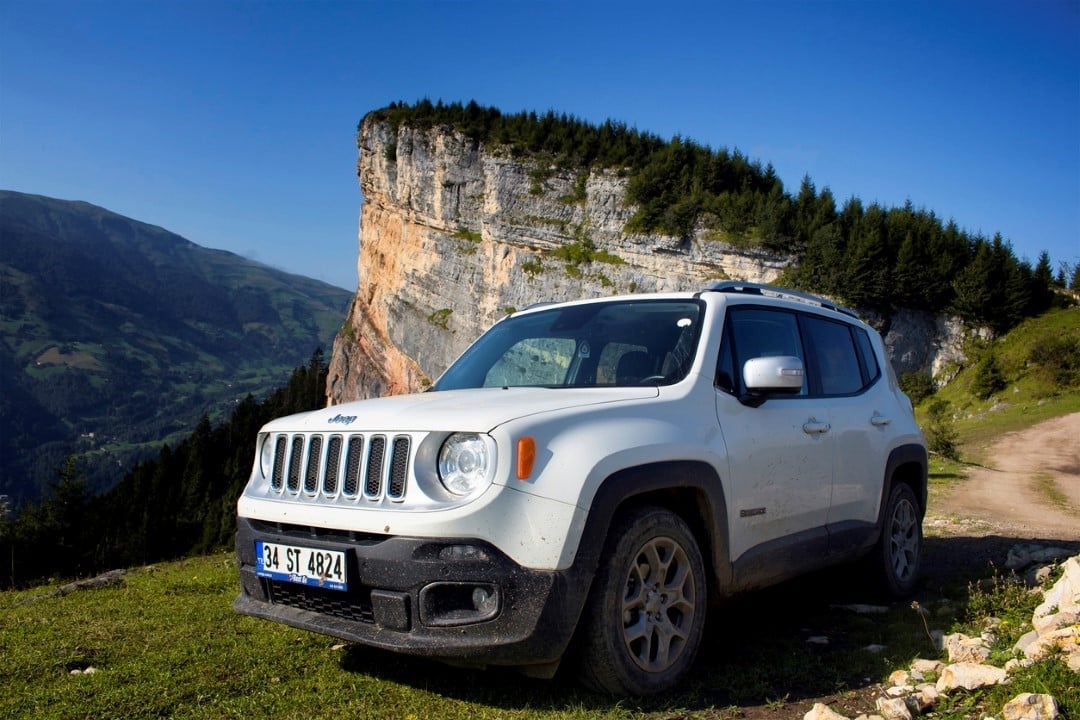
The Brazilian automotive market receives a significant update in the compact sports utility vehicle segment with the introduction of the modernized vehicle from the North American manufacturer. The automaker decided to implement profound changes to the car’s cabin and mechanical assembly, with the aim of maintaining its competitive position among national consumers. Após After more than a decade of continuous presence in Brazilian territory, the model is undergoing a strategic restructuring of its catalog of offers. The previous configurations, commercially known as T270 and Sport, have been officially discontinued by the brand. In its place, a new line was established consisting of four distinct options, formatted to meet different buyer profiles and price ranges. The launch event, held recently for the specialized press, allowed detailed evaluations of the vehicle’s behavior under varied driving and climate conditions. The automaker’s strategy involves not only aesthetic updates, but also an initial and fundamental step towards the electrification of its fleet. With this movement, the manufacturer seeks to balance the vehicle’s classic and robust identity with contemporary demands for energy efficiency and advanced connectivity.
The exterior design of the utility vehicle preserves the fundamental characteristics that define the model’s established visual identity since its original launch. Elementos Iconic features, such as the traditional seven-slot front grille, the circular headlights and the rear lights with the characteristic X-shape, remain unchanged in the design. The introduction of new trapezoidal moldings, however, adds a touch of modernity to the exterior, differentiating the new line from previous generations.

The most expressive and noticeable transformations to users are concentrated in the passenger cabin, which received a panel with straighter lines and a more uniform surface finish. Internal modifications implemented by the engineering team include:
- 10.1-inch multimedia center with floating format installation
- Air conditioning outlets directed towards rear seat occupants
- 10% expansion in the volumetric capacity of the storage compartments
- Application of coating materials with a recyclability index of 82%
Internal structure receives technological reformulation and focus on sustainability
The front panel of the sport utility vehicle has undergone a complete redesign to provide a more modern and ergonomic aesthetic experience for the occupants. The center console has been redesigned and now houses a more compact gear lever, optimizing the physical space available between the front seats and facilitating access to the vehicle’s controls.
The entertainment and information system has received significant expansions in its connectivity capacity, allowing direct integration with the Android Auto and Apple CarPlay platforms without the need for physical cables. The most complete configurations in the catalog add conveniences such as electrical adjustments for the driver’s seat and native integration with the voice assistant Alexa, expanding the voice command possibilities.
Electrified motorization acts as support for the combustion engine
The main mechanical innovation presented in the new line is the implementation of the 48V MHEV mild hybrid system, specifically available in versions Longitude and Sahara. Este innovative technological package is coupled to the already known 1.3 turbo flex engine, replacing traditional components, such as the standard alternator and starter motor, with a high-efficiency integrated electrical system.
The new mechanism is made up of an electrical machine capable of generating 11.4 kW of power, which works together with a compact battery with 0.85 kWh of storage capacity. Esta configuration provides direct assistance to the combustion engine, especially during travel at low speeds and when starting, considerably reducing mechanical effort and fuel consumption during these peak demands.
The thermal engine remains the vehicle’s primary and main source of propulsion in all driving situations, while the electrical component acts strictly in a complementary manner. Durante brief stops at traffic lights or traffic jams, the system automatically turns off the combustion engine, keeping essential equipment, such as the air conditioning system and the multimedia center, in full operation using the energy stored in the battery.
Energy efficiency shows improvement in urban consumption rates
The adoption of mild hybrid technology resulted in measurable and positive changes in the vehicle’s energy efficiency indexes, as shown by official measurements carried out by the competent bodies. Configurations equipped with the MHEV system recorded an improvement of up to 7% in fuel consumption on urban journeys, accompanied by an 8% reduction in carbon dioxide emissions when compared to the purely combustion versions of the previous generation. Official technical data indicate that, when fueled with ethanol, the sports utility vehicle achieves averages of 8.3 km/l in city traffic and 8.6 km/l on highways. When using gasoline in the tank, consumption indicators rise to 11.9 km/l in urban environments and 11.8 km/l on highway sections, demonstrating the practical and financial impact of electrical assistance in the daily operation of the vehicle, especially for drivers who routinely face heavy traffic.
Entry configuration focuses on cost-benefit and security package
Version Altitude is strategically positioned as the gateway to the new utility line, initially being offered for R$129,990 in a promotional batch restricted to three thousand units. Após Once this initial sales volume is exhausted, the suggested public price will undergo an adjustment, settling at R$ 141,990 across the entire dealership network spread across the country.
This specific option incorporates all the external visual updates and the new floating multimedia center, but does not include the mild hybrid system in its mechanics. The powertrain maintains the traditional 1.3 turbo flex engine, always associated with the six-speed automatic transmission and the simple front-wheel drive system.
The standard equipment package focuses heavily on occupant protection, including autonomous emergency braking, driver fatigue detection and a full complement of six airbags. The cabin also has a fully digital instrument panel with a high-resolution seven-inch screen.
Other factory items present in this configuration include active lane change monitoring, a reversing camera for maneuvers, an electronically activated parking brake and the Jeep Traction Control+ system. Esses features aim to ensure safety and directional stability in different conditions of use and floor grip.
Intermediate catalogs add comfort and connectivity equipment
Configuration Longitude is sold with a suggested price of R$ 158,690 and stands out for the addition of the MHEV 48V system to the mechanical set, inaugurating electrification on the line. Esta version receives 18-inch alloy wheels with an exclusive design, seats with synthetic leather upholstery, blind spot monitoring sensor, induction smartphone charger with integrated ventilation system and rear parking sensor. The interior finish is improved with a leather-covered steering wheel and a superior level of general refinement in the materials used, catering to a public that demands more comfort and sophistication in daily use.
Positioned one step higher in the portfolio, version Sahara is offered in stores for R$175,990, maintaining the light hybrid system and adding exclusive technological elements to the package. Esta configuration features the Adventure Intelligence platform with Alexa integrated, multi-position electrical adjustments for the driver’s seat, panoramic sunroof with electric drive and LED lighting in the trunk compartment. The mechanics maintain the 4×2 traction and the six-speed automatic transmission, prioritizing extreme connectivity and daily comfort without giving up specific external visual elements, such as the skirt-style painting and blouse with a two-tone roof.
Top-of-the-line option preserves capability for uneven terrain
Version Willys represents the family’s purely off-road option, priced at R$ 189,490, maintaining the robust 4×4 traction system with terrain selector and nine-speed automatic transmission. Esta configuration comes factory equipped with ATR mixed-use tires, Trail Rated certification for heavy trails and electronic anti-rollover control, however, for engineering reasons aimed at off-road, it does not receive the MHEV system in its 1.3 turbo flex engine.
National production supports the automaker’s commercial strategy in the country
The compact sports utility vehicle continues to be manufactured in Brazilian territory, seeking to balance its traditional visual identity with the new technological updates required by the consumer market. The availability of four distinct versions allows buyers to choose between more affordable options, configurations with a high level of technological content or models focused on off-road performance, marking the manufacturer’s initial step towards electrification within this specific and highly competitive market segment.