
Heir to the British throne reinforces historic alliance with the Church of England in unprecedented inauguration

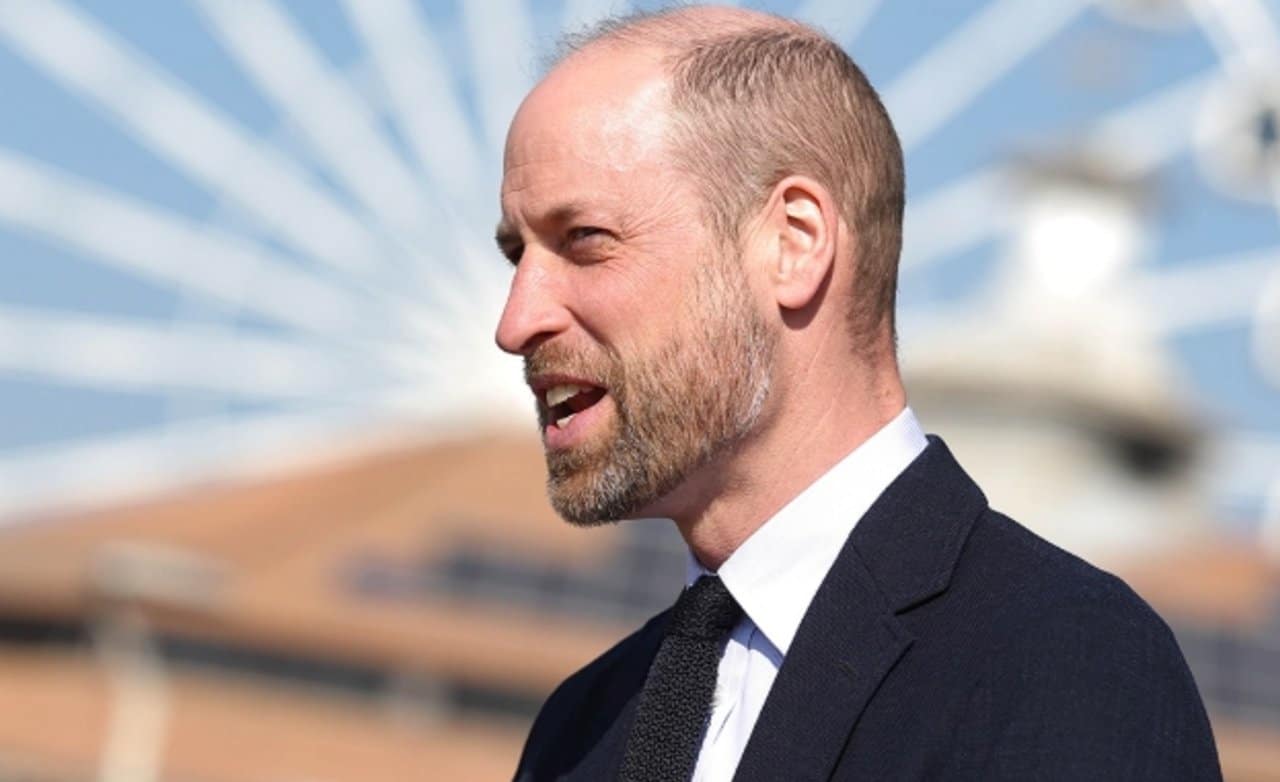
The heir to the British throne assumes a central role in the institutional relations of Reino Unido by representing the monarchy in an event of great religious and historical magnitude. The confirmed presence at the installation ceremony of the new leadership of Canterbury Cathedral marks a moment of transition and renewal of secular ties. The event formalizes the beginning of the public ministry of Dame Sarah Mullally, which makes history by assuming the highest position in the local ecclesiastical hierarchy.
The ceremony takes on unprecedented features as it is the first woman to occupy this position in more than a millennium of the institution’s existence. The participation of the crown representative signals official endorsement and respect for the structural changes occurring within the country’s religious traditions. The compromise reflects a carefully planned state agenda to maintain stability between secular and spiritual power.
Behind the scenes, the rapprochement between the future monarch and the ecclesiastical leadership is treated extremely seriously. Profissionais who follow the royal family’s routine indicate that there is a genuine interest in understanding the current challenges of faith in the context of a society in constant transformation. The intention is to ensure that the English spiritual tradition maintains its relevance and capacity for dialogue with contemporary citizens.
Historical significance of new leadership in Canterbury
The appointment of Dame Sarah Mullally breaks a 1,400-year-old paradigm of exclusively male succession at the helm of the institution. The inauguration ceremony attracts international attention and attracts thousands of guests, including state authorities and representatives of different faiths. The structure of the event was designed to respect ancient rituals while celebrating the diversity of the present.
The cathedral, which serves as the country’s spiritual center, prepared an unprecedented security and logistics arrangement to accommodate the more than two thousand expected attendees. The protocol requires strict coordination between security forces and ecclesiastical organizers. The magnitude of the celebration reflects the importance of the position in British public life.
During the ceremony, the new religious leader will make her first official statement, outlining the guidelines for her pastoral and administrative work. The speech is eagerly awaited by analysts and faithful, as it will indicate the tone of his management in the face of modern social challenges. The presence of royalty in the front row reinforces the legitimacy of the moment.
The act of installation involves oaths of allegiance and the giving of sacred symbols that represent spiritual authority. Cada The ceremony stage follows a script documented over the centuries, preserving the visual and liturgical identity that characterizes the country’s history.
Preparations and prior dialogues between the crown and the institution
Before the official ceremony, strategic meetings were held to align expectations and strengthen interpersonal relationships between leaders. A substantial meeting took place recently on Lambeth Palace, where issues on social responsibility and the community role of faith were widely debated. The dialogue established a basis of mutual trust.
The conversations addressed joint initiatives that can be developed between philanthropic foundations and parish projects. The main focus of these discussions is the creation of support networks for vulnerable populations and encouraging volunteering. Synergy between institutions is seen as fundamental to expanding the reach of humanitarian actions.
The exchange of ideas also helped the heir to the throne understand more deeply the management vision of the new religious leadership. The alignment of purposes demonstrates a coordinated effort for the monarchy and faith to move in the same direction on issues of national interest.
The weight of spiritual inheritance for the future monarch
The relationship with spirituality varies considerably between generations of the royal family, shaping the way each member carries out their public functions. Enquanto the current sovereign demonstrates a broad academic and theological interest, studying diverse beliefs and actively promoting interreligious dialogue, his successor adopts a more pragmatic and reserved stance. Essa difference in approach does not diminish the sense of duty, but reflects a natural adaptation to current times and the personality of whoever will assume the crown. The commitment to Christian values is maintained discreetly, focused more on practical actions of service to the community than on the constant presence in routine religious services.
Observers point out that this discretion is a calculated strategy to keep the monarchical institution accessible to an increasingly secularized and plural population. By focusing on the universal principles of charity, empathy and social responsibility, the future king is able to dialogue with citizens of different origins and beliefs, without losing the link with the tradition that underpins the British state. The understanding that faith must translate into tangible benefits for society guides the preparation for the moment when he will assume the title of defender of the faith and supreme leader of the national church.
Constitutional responsibilities of Governador Supremo
The legal framework of Reino Unido establishes that the reigning monarch occupies the position of Governador Supremo the official state religion. Essa function requires the formal approval of appointments to senior ecclesiastical positions, a process that occurs in conjunction with the recommendations of the head of government. The intersection between politics and religion requires diplomacy and respect for constitutional procedures.
Preparation to assume this responsibility involves the continuous study of ecclesiastical laws and monitoring the internal dynamics of the institution. The direct heir actively participates in briefings and consultations to ensure that the transition of power, when it occurs, is fluid and does not cause instability in the country’s traditional structures.
Secular tradition amid the challenges of modern society
The maintenance of rituals that date back centuries requires a constant effort of contextualization so that they do not lose their meaning in the face of new generations. The religious institution faces the challenge of modernizing its communication and administrative practices without distorting its theological essence. Nesse scenario, support from the crown acts as an anchor of stability, validating necessary reforms while protecting historic heritage. The vision shared between secular and spiritual leaders points to action more focused on welcoming and solving practical problems in local communities, such as combating poverty and supporting mental health. The adaptability of these ancient structures will determine their survival and influence in the coming decades, requiring leaders who understand the complexity of the contemporary world and are willing to promote open and constructive dialogues with all sectors of civil society.
Institutional continuity guaranteed by royalty
The presence of high-ranking members of royalty at ecclesiastical events reaffirms the historical pact that sustains national identity. The continuity of this relationship ensures that traditions are preserved and transmitted intact to future generations of citizens.
Impact of the ceremony on the dynamics of Reino Unido
The possession of Canterbury transcends the purely religious aspect and affects the social and cultural dynamics of the entire British territory. The event serves as a reminder of the country’s ability to honor its past while taking concrete steps toward gender equality in top leadership positions.
Extensive media coverage and popular participation demonstrate that classical institutions still have a strong mobilization power. The success of the ceremony and the beginning of this new ecclesiastical management pave the way for a period of renewal and strengthening of community ties at a national level.





