Samsung expands testing program for new system with artificial intelligence for Galaxy line

The South Korean technology giant has begun the public evaluation phase of its latest software platform aimed at mobile devices. The program allows select smartphone owners to try new features before global launch, providing valuable data to the development team.
This operating system update introduces profound modifications to the visual interface and integrates a robust suite of machine learning-based tools. The manufacturer’s main objective is to optimize daily usability through task automation and advanced customization of the user’s virtual environment.
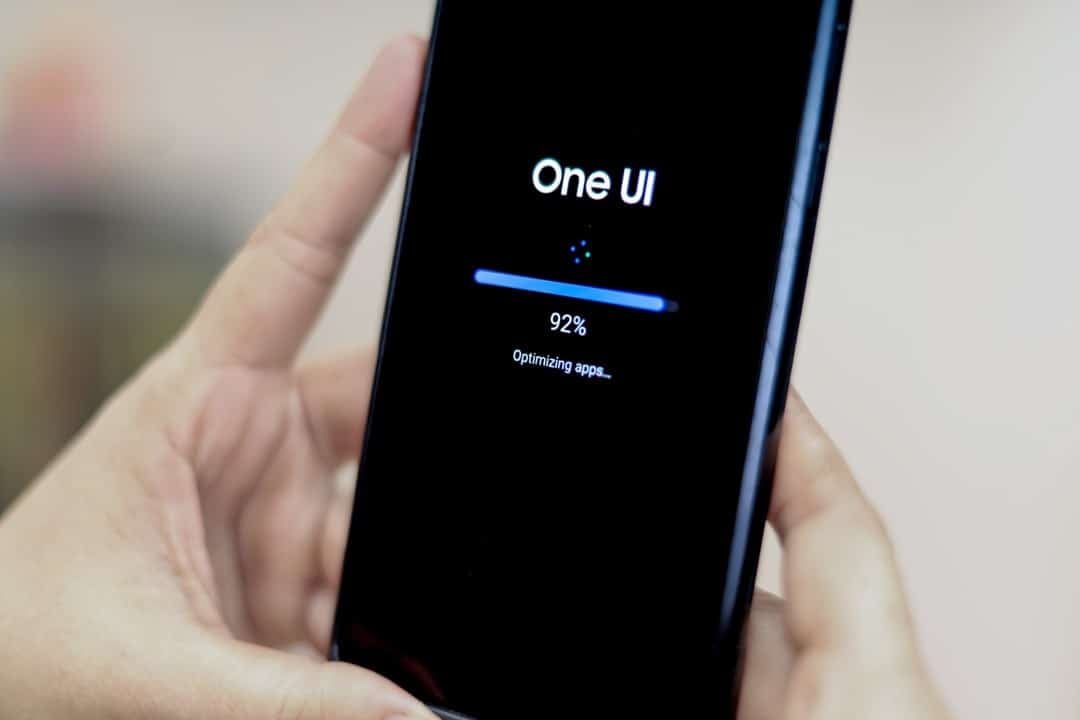
The distribution of installation files occurs in a staggered manner and follows strict geographic criteria in this preliminary stage. The company’s engineers monitor software performance in real time to identify flaws, fix vulnerabilities, and improve source code stability before mass release.
Equipment compatible with the new interface
The list of hardware authorized to receive the test package covers the brand’s main recent launches in the high-performance segment. The initial focus of development is on the family of traditional high-end smartphones, encompassing standard variants, versions with an enlarged screen and cost-benefit models that have reached the consumer market in recent months. The strategy aims to ensure that the most powerful processors can handle the processing load required by new artificial intelligence functions without compromising the fluidity of navigation.
In addition to conventional bar formats, the manufacturer included its devices with flexible screens in this stage of technical evaluations. The company’s most modern foldable models received official certification to run the new system, which requires specific adaptations to the graphical interface. Software engineering had to rewrite part of the code so that the transition between the smaller external screen and the foldable internal panel occurs without stuttering or application restarts, maintaining stability during daily use.
Regional availability and registration process
The release of the update package follows a strict schedule, limiting access to strategic markets selected by the development division. Neste At first, the servers provide the installation files only to users residing in Coreia, Sul, Estados Unidos, Índia and Reino Unido.
Consumers who live in these territories and have qualified devices need to express interest through the brand’s official support app. Registration occurs by linking the user account to the preliminary testing program, requiring acceptance of liability terms regarding the use of unfinished software.
After confirming registration, the system allows the download of the beta version directly in the device’s operating system settings menu. The installation process requires that the device is connected to a stable wireless network and has sufficient battery power to avoid interruptions during system rewrites.
The company establishes a maximum limit of participants for each region, with the aim of controlling the volume of data generated and avoiding overloading feedback servers. Quando the registration quota reaches its maximum capacity, the system automatically blocks new registrations until a new testing phase is announced.
Integration of machine learning tools
The core of this software update lies in implementing complex algorithms directly into the daily processing of the mobile device. The manufacturer introduced a mechanism that follows the user’s routines to suggest automated actions, organize the message inbox and optimize screen time based on the times of greatest use.
The system also integrates a creator of personalized avatars that react in real time during video calls, using the processor’s neural processing units. Esta intelligence layer performs complex graphic rendering tasks without the need for a constant internet connection, which reduces latency and saves the consumer’s data plan.

Seibu Lions have game canceled due to typhoon and schedule Kaima Taira for the 4th against Hanshin Tiger

Facebook whistleblower, Sarah Wynn-Williams, complies with Meta’s order and remains silent at event in the United Kingdom

Romantic comedies and mysteries arrive on Netflix in June with Office Passion and Oasis
The security of processed data receives special attention through the system’s native protection platform. Informações sensitive information remains isolated in an encrypted environment within the device’s memory, ensuring that private details, such as biometrics and passwords, are not transmitted to external servers during the use of smart tools.
Visual restructuring and energy management
The design department promoted a complete overhaul of the operating system’s overall appearance, focusing on more fluid transitions and visual elements with rounded edges to modernize navigation. The home screen features a new dynamic behavior, where application icons and small interactive information panels automatically adjust according to the wallpaper chosen by the user, using an intelligent theme engine that extracts the color palette from the background image. The quick control panel, responsible for housing connectivity and screen brightness shortcuts, has undergone changes in its architecture to facilitate use with just one hand, separating notifications from system settings into distinct tabs activated by specific gestures. Paralelamente to aesthetic changes, power management received a new graphical interface that displays detailed graphs about the battery consumption of each application in real time. The system identifies background processes that are draining power unnecessarily and suggests closing them immediately, prolonging the device’s usage time away from power outlets and optimizing the long-term useful life of the hardware component.
Simultaneous translation and text analysis
One of the most significant advances in this version involves the system’s ability to act as a simultaneous interpreter during conventional telephone calls. Quando the user receives a call in a different language, the software intercepts the audio, processes voice recognition locally and provides an audio and text translation on the screen in a matter of milliseconds, eliminating language barriers in real time.
In addition to voice translation, the tool can analyze long blocks of text on web pages or work documents. The system generates concise summaries that highlight the main points of the reading, operating completely independently of third-party applications and maintaining the integrity of corporate communications, as data is not sent to the cloud for processing.
Ecosystem expansion and future releases
The development schedule foresees the inclusion of other large equipment in the coming weeks of technical evaluation. The brand’s high-performance tablets, aimed at productivity and media consumption, are in line to receive the same tools adapted for larger screens, allowing the use of multiple windows with artificial intelligence support.
The engineering team also prepares the ground for the system’s compatibility with the company’s future releases. Data collection from this phase serves as a basis for optimizing RAM memory consumption and thermal management of the processors that will equip the next generation of mobile devices, ensuring that the software reaches the market maturely.
Bank instability and blockages
Installing an operating system in the testing phase carries significant risks for the daily functioning of the equipment, including unexpected crashes, camera failures and high battery consumption. The main obstacle for testers involves incompatibility with financial institutions’ security systems, as the overwhelming majority of banking and digital wallet applications block access to accounts when detecting software that is not officially certified, acting as a defense mechanism against possible fraud.
Security procedures and global distribution
The absolute technical recommendation for any individual wishing to join the program is to make a complete backup of all data stored on the device. Transferring files, photos and message histories to a computer or cloud service prevents irreparable losses if the update process fails and requires forced formatting of the device.
The final, stable version of the operating system must be released to the general public only after all testing stages have been completed and the flaws reported by volunteer users have been corrected. The technology market projects that global distribution will occur in a staggered manner in the coming months, prioritizing the most recent and expensive devices before reaching models from previous generations and intermediate lines.
Veja Tambem em Latest News (EN)

Uruguay announces squad list for the 2026 World Cup with six Brazilian football players

When does the 2026 World Cup start? Date, time, first game and opening ceremony

Atlético-MG confirms agreement with defender Léo Duarte after period of prominence in Turkish football

Tiger shark bites 19-year-old girl and rips off her leg in Boa Viagem, Recife

2026 World Cup will have 32 athletes who play in Brazilian football

OnePlus develops portable video game with Android system focused on competitive shooters

New BYD Seal 6 DM-i Touring hybrid station wagon debuts in Europe with ample interior space and super-efficient engine

Costco reaches historic volume in gasoline sales in the United States with prices below market

June PlayStation Plus Catalog Brings Grounded and Warhammer 40,000 Darktide to Subscribers

Disney+ brings Avatar Fire and Ash finale to The Bear and new Pixar animation in June

Netflix updates June catalog with new season of Avatar and classic cinema sagas