
US stocks rise as investors watch Trump’s deadline for possible military action in Iran

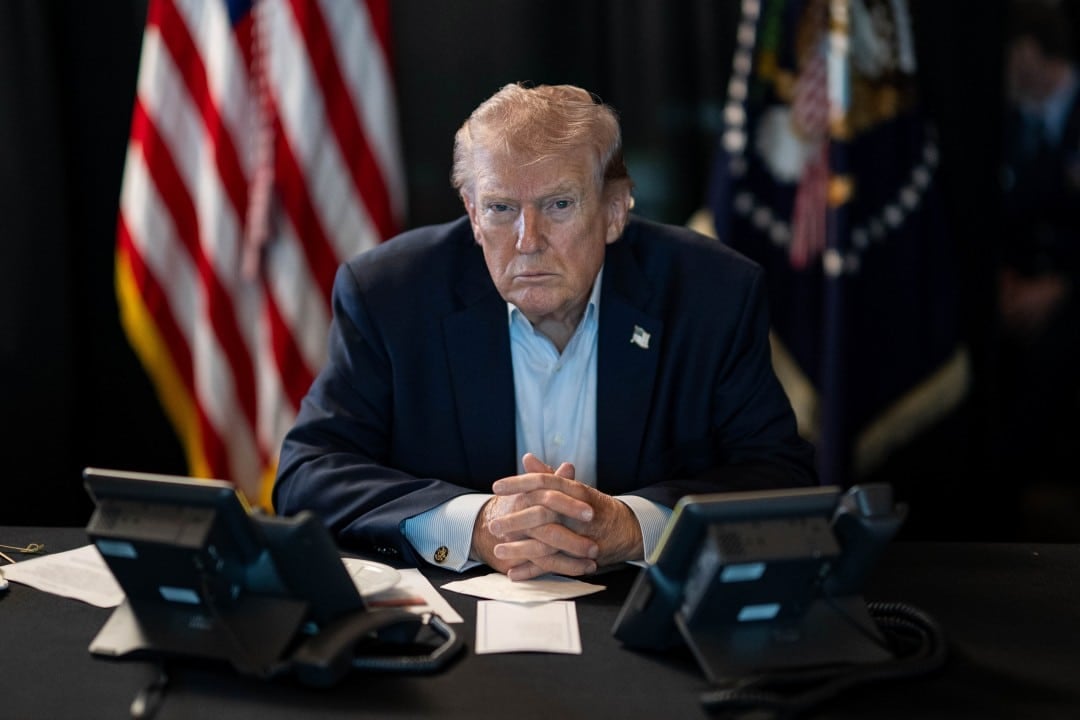
The Estados Unidos stock market registered an upward movement, reflecting the volatility and uncertainty of investors in the face of an ultimatum issued by the then president Donald Trump, which set a deadline for possible military action against Iranian facilities. The geopolitical situation, marked by rising tensions in Oriente Médio, has put global markets on alert, with traders seeking to understand the implications of a large-scale conflict for the economy and regional stability. The expectation of an imminent military deployment generated significant fluctuations in the main stock indices, such as the S&P 500, Dow Jones and Nasdaq, which showed mixed behavior, but with a general upward trend as investors digested the information and speculated on the next steps in international diplomacy. Este scenario highlighted the intrinsic link between geopolitical events and global economic performance, highlighting how the foreign policy of great powers can directly influence market confidence and investment decisions in several critical sectors, from energy to technology.
The escalation of tensions intensified following a series of incidents in the Golfo Pérsico region, including attacks on oil tankers at strategic points and the downing of an American surveillance drone by Irã, an event that provoked an immediate and strong reaction from Washington. Tais occurrences were interpreted by the Trump administration as direct and unacceptable provocations, leading to more aggressive rhetoric on the part of Estados Unidos. The imminence of an air strike against specific Iranian targets, which could include defense installations and critical infrastructure, was widely publicized by the international press, generating widespread apprehension and uncertainty about the future of the region and its global repercussions.

Despite the bellicose tone and explicit threats, the markets’ initial reaction demonstrated surprising resilience, with some sectors, such as defense and energy, recording occasional gains. Essa dynamics can be attributed, in part, to the perception that, in scenarios of conflict or threat, certain industries can benefit from an increase in government spending on security or the appreciation of strategic commodities, such as oil. However, fears of a disruption in global oil supplies and a negative impact on international trade kept investors cautious, as they closely monitored every official statement and every diplomatic move to assess risks and opportunities.
Escalation of tensions and market response
The relationship between Estados Unidos and Irã deteriorated considerably following the Trump administration’s decision to unilaterally withdraw from the Ação Abrangente Conjunto (JCPOA), known as the Iran nuclear deal, in 2018. The reimposition of severe economic sanctions, part of a strategy of “maximum pressure”, aimed to force Teerã to renegotiate the terms of the agreement, to curb its ballistic missile program and to reduce its regional influence. Essa aggressive approach generated a defiant response from Irã, which gradually began to reduce its nuclear commitments and intensify its presence in Oriente Médio strategic areas, raising the temperature of a simmering conflict.
The threat of a military strike in retaliation for the downing of the American drone RQ-4 Global Hawk, valued at more than 100 million dollars, was a critical point that brought the situation to the brink of open confrontation. President Trump even authorized the attacks, but suspended them minutes before execution, claiming that the estimated number of deaths would be disproportionate to the loss of the drone. Essa Last-minute decision avoided an immediate and catastrophic escalation, but did not completely dissipate the tension, keeping the market in a state of constant vigilance and sensitive to each new statement or incident.
Financial markets are particularly sensitive to geopolitical events, as these can significantly alter economic growth expectations, investment flows and the stability of global supply chains. The possibility of conflict in Golfo Pérsico, a region vital for oil transportation, raises immediate concerns about energy prices and inflation. Além Furthermore, political uncertainty could lead to a flight of capital to assets considered safer, such as gold and US treasury bonds, impacting share valuations and investor confidence.
Economic sectors and the search for security
The uncertainty generated by military tension had varied impacts on different sectors of the global economy, highlighting the complexity of the market’s reaction to geopolitical events. Enquanto the defense sector and some cybersecurity companies could see an increase in demand for their products and services due to the threat environment, other sectors, such as tourism and aviation, faced the prospect of a reduction in demand for travel and an increase in operating costs, driven by rising oil and insurance prices. Investors needed to adjust their strategies, seeking refuge in lower-risk assets or exploring opportunities in segments that could benefit from the situation.
The dynamics of oil prices was one of the most followed indicators during this period of crisis. The Golfo Pérsico region is responsible for a significant portion of global oil production and exports, making it a critical point for the world economy. Qualquer threat to navigation in the Estreito of Ormuz, through which around a fifth of the world’s oil passes, could cause an abrupt jump in prices, with inflationary consequences and economic slowdown at a global level, impacting everything from transport costs to consumers’ purchasing power.
* Aumento of demand for safe-haven assets such as gold and US Treasury bonds.
* Valorização of shares in companies in the defense and energy sectors.
*Preocupação with the disruption of global supply chains and international trade.
* Flutuações in stock indices due to perceived risk and political uncertainty.
The complexity of the diplomatic response
Donald Trump’s decision to suspend attacks at the last minute demonstrated the complexity of foreign policy decisions, where strategic, humanitarian and economic considerations are intricately intertwined. The measure was seen by some analysts as a sign of restraint and pragmatism, while others interpreted it as a demonstration of the unpredictability of American foreign policy at the time. Independentemente of interpretation, the episode highlighted the fragility of peace in regions of high geopolitical tension and the pressing need for effective communication channels to avoid misunderstandings and unwanted escalations that could have disastrous consequences.
The international community, including Estados Unidos’s European allies and key Asian powers, expressed deep concern about the escalation and called for restraint and dialogue between the parties. Organizações International and several world leaders publicly spoke out in favor of a diplomatic solution to the crisis, fearing the unpredictable consequences of an armed conflict in a region already marked by instability and conflict. The search for de-escalation has become a global priority, with efforts being made behind the scenes to mediate tensions and find a viable path to negotiation.
The situation also revealed the different approaches within the American administration itself. Enquanto some advisers, known as “hawks,” advocated a hard line and forceful military action against Irã other military and political advisers argued against action that could drag the US into a new prolonged and costly conflict in Oriente Médio. Essa internal disagreement added another layer of complexity to decision-making, with the president Trump Navigating between different schools of thought in his government before reaching a final conclusion.
Repercussions on international markets
The instability in Oriente Médio was not restricted to Western markets; it reverberated strongly in emerging markets, which are often more vulnerable to external shocks due to their greater dependence on capital and commodity flows. Países dependent on oil imports saw their energy costs increase, impacting inflation and the population’s purchasing power, while those with more open economies and sensitive to the flow of foreign capital faced the possibility of substantial investment outflows. The appreciation of pity



