
Apple anticipates releasing firmware 8E251 to optimize the new AirPods Max 2 in physical stores
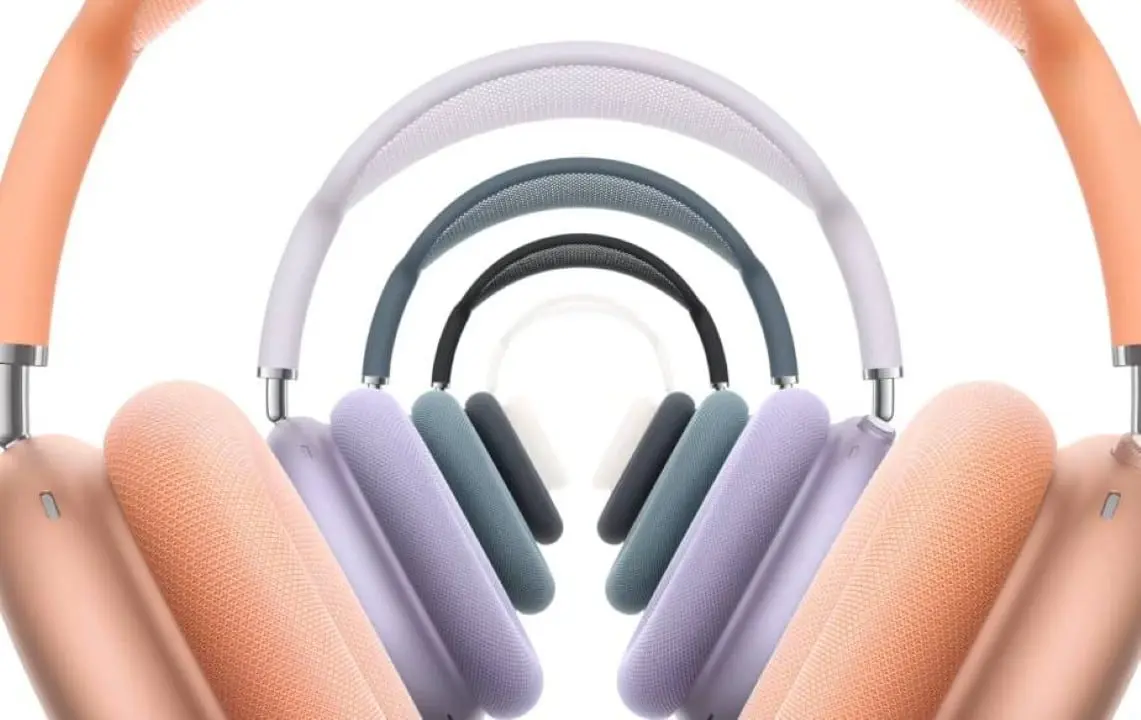
The North American technology manufacturer has released a new system version for its latest generation of over-the-ear headphones. The software compilation was released on the company’s servers just hours before the devices officially began to be sold in physical and virtual stores around the world. Essa technical strategy aims to ensure that first-time buyers have immediate access to stability fixes and performance improvements as soon as they unbox the product and perform the initial pairing.
The data package is aimed exclusively at the second generation of the brand’s premium headphones. Diferentemente of other recent updates that spanned multiple ecosystem audio accessories, this file was developed with a strict focus on the newly announced new hardware.
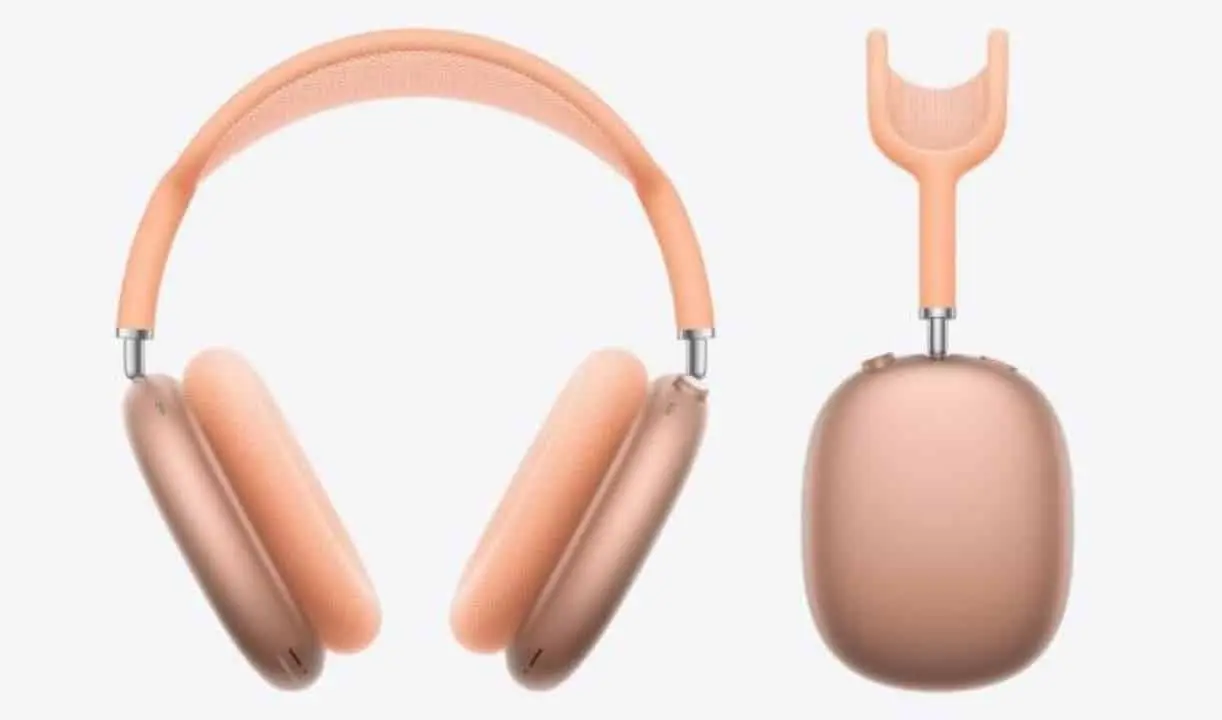
Preparing the internal operating system in advance demonstrates concern for the initial user experience. Especialistas in technology point out that launches with high added value require impeccable integration between the physical components and the sound processing algorithms, avoiding connection failures in the first days of use.
Consumers who purchase the equipment from April 1st will find the network infrastructure ready to transfer the files necessary for the update. The company maintains a policy of continuous improvement of its products through silent downloads.
Audio and performance optimizations with the H2 chip
The big difference in this new generation of headphones lies in the incorporation of the H2 audio processor, a piece of silicon specifically designed to handle complex acoustic calculations in real time. The recently launched software works directly on the calibration of this component, refining the way in which external microphones capture and neutralize ambient noise.
In addition to improved active noise cancellation, the system manages the introduction of adaptive audio. Essa functionality combines ambient mode with sound blocking, adjusting volume and equalization dynamically as the user moves through places with different levels of noise pollution.
Transition to USB-C standard and new color options
The system update also addresses the physical changes implemented in the device, the main one being the replacement of the proprietary port Lightning with the universal USB-C connector. Essa change complies with international regulations and unifies the cables needed to charge devices in the brand’s ecosystem.
Understand the case: AirPods Max 2: New generation of Apple headphones divides opinions
Power management through the new charging port is one of the aspects controlled by the newly released data package. The software optimizes the distribution of electrical current to the internal batteries, aiming to extend the useful life of the energy storage components and ensure more efficient and safe charging.
In the visual aspect, the manufacturer introduced a renewed color palette to attract different consumer profiles. Embora the external color does not affect audio processing, the internal system is programmed to recognize the exact tone of the phone and display it correctly in digital animations on the screens of connected smartphones and tablets.
Background software installation mechanism
The process of updating the company’s audio accessories occurs completely invisible to the equipment owner. Não There is a specific button or a dedicated menu in the brand’s applications to force the download of the new version of the internal operating system.
For data transfer to begin, the user simply needs to keep the headphones connected to a power source and close to a main device from the same manufacturer, which must be connected to a stable Wi-Fi network.
On the same topic: IOS 27 system update turns AirPods into smart assistants with new Siri
The operating system of the smartphone or computer acts as a bridge, downloading the file package from the central servers and transferring it via connection Bluetooth to the headphones. Esse method ensures that installation occurs during times of inactivity, avoiding interruptions during music playback or voice calls.
The standard technical recommendation advises that the set remains in this rest configuration for approximately thirty minutes. Após this period, checking the installed version can be done through the Bluetooth settings menu on the paired device.
Differences from previous versions of the line
The first generation of this circum-ear model was presented to the market at the end of 2020, establishing a new level of price and construction quality for the category. Durante Over the next few years, the product received several updates, but the original hardware with the H1 chip began to show limitations in supporting the latest spatial audio algorithms and advanced processing demands. The arrival of the second generation resolves this technological bottleneck, offering a robust platform that will support innovations over a long life cycle.
More on this story: Apple anticipates launching headphones with a camera for September under the AirPods Ultra seal
The new build differs substantially from version 8B39, which was distributed the previous week for in-ear models in the same product family. The separation of development codes indicates that the engineering team needed to create exclusive programming routines to deal with the larger magnetic drivers and the different acoustic architecture of the aluminum shells present in the most expensive model in the line.
Market expectations for premium headphones
The high-fidelity audio segment has proven to be highly competitive, with several traditional brands in the sector vying for the preference of audiophiles and content creation professionals. The release of a perfectly optimized system even before the product hits the shelves demonstrates the manufacturer’s effort to justify the accessory’s premium positioning. Analistas observe that the stability of the wireless connection, the accuracy of dynamic head tracking for three-dimensional audio and the efficiency of noise cancellation are the factors that most influence the purchasing decision in this price range. The commercial success of this new iteration will directly depend on how the programming manages the advanced hardware, delivering a fluid user experience free from technical failures from the first pairing. The absence of detailed release notes about the current version maintains a certain level of expectation about possible hidden features that could be activated remotely in the coming months.
Advanced integration with the device ecosystem
One of the pillars of the success of the brand’s audio accessories is the ability to seamlessly transition between different screens and devices. The new code improves auto-switching technology, allowing a user to be watching a video on a tablet and answering a phone call on their smartphone without having to manually change settings.
In addition to communication with mobile devices, the update guarantees full compatibility with the manufacturer’s desktop computers and notebooks, as well as with media decoders for televisions. Quality lossless audio transmission depends on perfect synchronization between the transmitter and receiver, something that the new version seeks to stabilize.
In-store availability and initial setup process
The physical distribution of the devices begins tomorrow, covering both the brand’s official stores and the network of authorized resellers. The initial configuration procedure was designed to be intuitive, requiring only the unlocked headphones to be brought close to a compatible device for automatic recognition to occur and integration with the cloud account to be established instantly.
Learn more: New Apple headphones with integrated lenses could hit the market in September
More news in Latest News (EN)
See more →More news on Mix Vale
- 1Julia Louis-Dreyfus reveals intense creative clashes shaped iconic sitcom ‘Seinfeld’s’ groundbreaking humor
- 2U.S. forces dismantle sophisticated floating drug refueling station tied to Ecuadorian narco-terror group
- 3Giants make unexpected roster move, release longest-tenured player Darius Slayton as Harbaugh era begins
- 4Eiffel Tower closure sparks outrage as staff protest gender segregation during VIP religious group visit
- 5AfD electoral win in Saxony-Anhalt faces governance hurdles, minor party crucial
- 6Austin Reaves enjoys Labor Day weekend after pivotal Lakers contract, poised for leadership
- 7Quieter Russian nuclear submarines heighten NATO’s Arctic defense concerns, alliance boosts northern presence
- 8NTSB confirms Amazon cargo jet crew survived Miami crash, five dead and five injured in runway overrun incident
- 9U.S. diplomatic efforts confront persistent China-Peru economic ties amid rising regional tensions
- 10German racer Michael Schumacher remains secluded 12 years later