
Apple manufacturer confirms iPhone 18 Pro with transparent chassis and unprecedented 5200 mAh battery

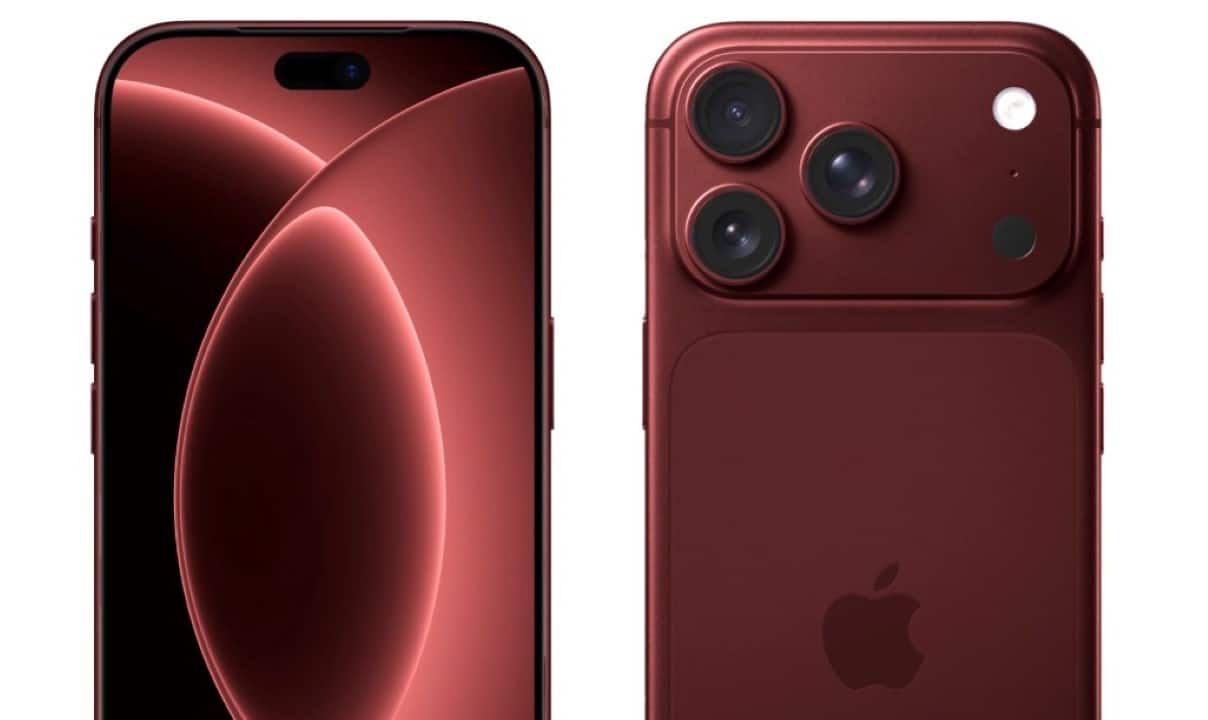
The global telecommunications industry is registering a structural change in the mobile device segment with the confirmation of a new generation of high-performance devices. The North American manufacturer announced the development of a smartphone that presents profound changes to the aesthetics and internal architecture of premium category equipment.
The project conceived by hardware engineers breaks with the visual standards established by previous generations of the brand. The technical team worked on creating a physical format that exposes the device’s internal components to users, changing the dynamics of cell phone construction.
The reformulation of the device required complex adaptations on the assembly line in Asian factories, encompassing the following industrial changes:
– Redesenho complete motherboard for aesthetic display purposes.
– Implementação of advanced heat dissipation systems.
– Utilização of unprecedented metal alloys in the construction of the chassis.
The technology sector’s forecast indicates that the new devices will be available on international market shelves from September onwards. The launch establishes a new level of competition between the main telecommunications companies in the world.
Material engineering and chassis structure
To ensure the durability of the fully transparent back panel, the development team opted for a reinforced glass alloy that underwent an exclusive chemical treatment in specialized laboratories. Este industrial process was specifically formulated to protect the material against natural yellowing caused by the action of time and continuous exposure to sunlight. The applied chemical composition guarantees superior resistance against accidental drops and daily scratches, maintaining the visual integrity of the equipment even after months of use in adverse temperature and humidity conditions.
The main structure of the chassis incorporates aerospace-grade titanium, a material chosen to provide lightness and extreme rigidity to the smartphone’s housing. The integration between the machined metal and the new transparent glass required the creation of an industrial adhesive capable of sealing the device against the entry of water and dust particles. The compound meets rigorous international protection certifications, without compromising the transparency necessary to reveal the internal engineering and microchips that make up the device’s system.
Energy capacity and thermal control
The device’s operating autonomy presents a significant technical leap in this generation, driven by a power cell that reaches a capacity of 5200 mAh. The increase in volumetric density was achieved through a new architecture for the internal organization of the battery’s chemical components.
Optimizing internal space allowed the inclusion of this high-capacity power source without resulting in an increase in the overall thickness of the smartphone. Devido exposure of internal parts, temperature management became the main technical challenge overcome by the industrial design team.
The implemented thermal solution encompasses the application of high-density graphene plates and a redesigned vapor chamber system. The structure dissipates heat generated by the main processor quickly, protecting the rear glass panel from overheating during complex tasks.
Evolution of the front panel and biometrics
The dimensions of the screens underwent engineering adjustments, delivering 6.3 inches in the standard high-performance model and 6.9 inches in the larger physical size variant. The display sector managed to refine the frames that delimit the high-resolution OLED panel.
The reduction of edges maximizes the usable viewing area and delivers an immersive experience when playing videos and browsing digital platforms. The most substantial change to the front interface consists of relocating the facial recognition sensors below the active screen.
The technical modification resulted in a 35% reduction in the area occupied by the top cutout, freeing up space in the graphical interface for operating system status icons. The development of the hidden biometric sensor required research into optics to ensure facial reading accuracy.
Infrared light penetrates the display’s pixel matrix without distortion, validating the owner’s identity instantly. The maximum brightness of the panel outdoors has also seen a technical increase to make it easier to read in direct sunlight.
Optical system with mechanical aperture
The rear photographic set introduces a variable aperture mechanism in the main lens, a technology derived from professional cameras that allows the sensor to physically adjust the light input according to the ambient lighting. Mechanical innovation improves depth of field in portraits, generates authentic background blur, and sharpens nighttime photography by reducing visual noise in dark scenes. Todas The module’s lenses received a laboratory-developed optical coating to mitigate reflections from direct light sources, such as street lamps during night recording. The optical zoom system has adopted an improved refraction prism that stabilizes the image efficiently when shooting on the move or capturing distant objects. The integration between the camera hardware and the image signal processor makes it possible to apply artificial intelligence filters at the exact moment of the click, correcting color distortions and adjusting the white balance before saving the file in internal memory.
Processing and memory expansion
The smartphone’s processing core operates with a chip manufactured using a 2-nanometer process, representing an advance in the miniaturization of transistors in the semiconductor industry. The component is designed to run artificial intelligence algorithms directly on local hardware.
To support the new processor, the device’s RAM memory was expanded to 12 GB, a technical specification necessary to maintain language models in continuous operation. The capability ensures fluidity when switching between heavy applications and simultaneous language translation tasks.
Satellite communications and connectivity
The device’s radio frequency infrastructure has been expanded to support a robust satellite connection, allowing short voice calls and sending multimedia files in remote regions without cellular network coverage. The technological update marks the definitive removal of the physical tray for operator chips, consolidating the transition to the virtual line format in the global market.
Industrial production and commercial positioning
The Asian supply chain began calibrating assembly lines for mass production of components, aiming to guarantee stocks for simultaneous launch in several international markets. The manufacture of the 2 nanometer processor and the titanium chassis requires highly precise industrial machinery and strict quality control.
Retail price positioning will reflect the research and development costs of the transparent materials and the new internal architecture of the equipment. The commercial strategy aims to consolidate the device in the ultra-premium segment, aimed at consumers who seek innovation in hardware and cutting-edge technologies in the mobile phone sector.





