
El Niño should bring extreme heat and drought to Brazil according to Cemaden warning

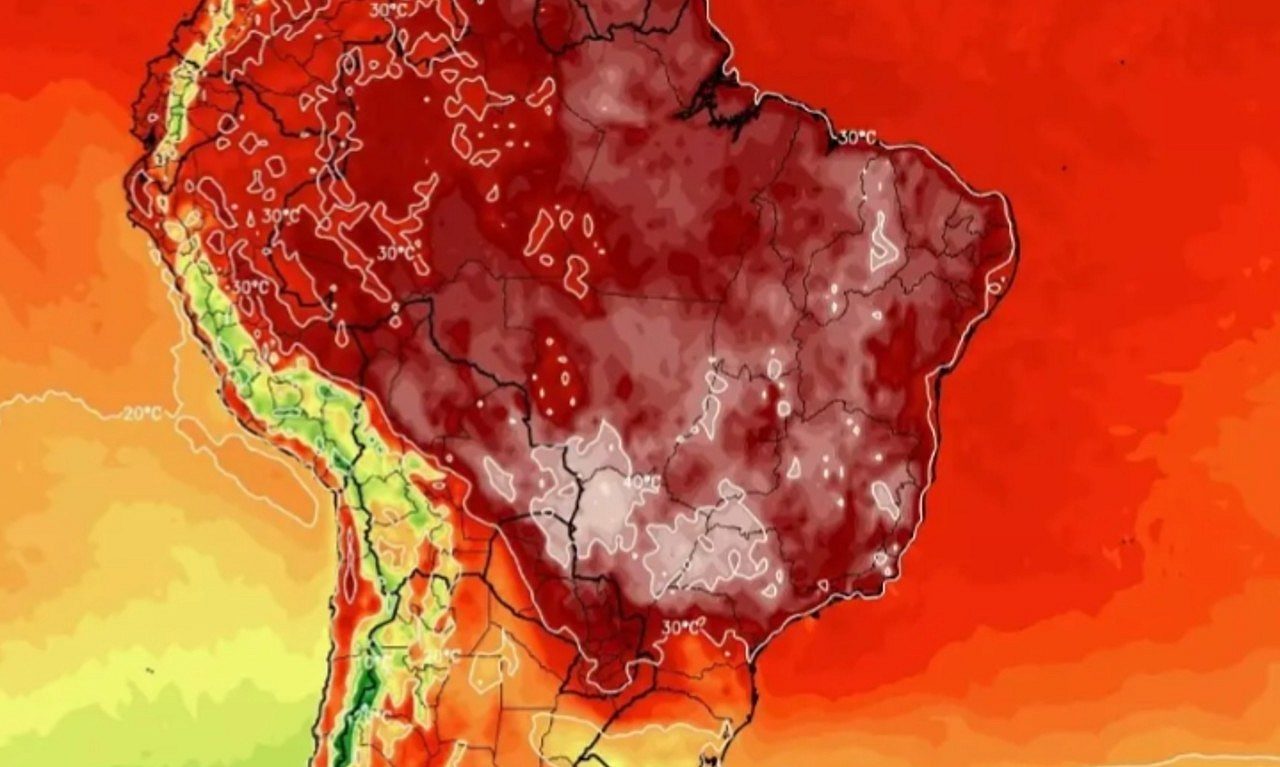
Centro Nacional of Monitoramento and Alertas of Desastres Naturais (Cemaden) issued a technical note that indicates a high risk of extreme heat in the country throughout 2026. The phenomenon El Niño has an estimated probability of up to 80% of establishing itself from the second half of the year. Essa Combination with global warming already underway could intensify heat waves and hot nights in several regions.
Experts indicate that Sudeste and Centro-Oeste should register the most intense effects, with an increase in the frequency and duration of periods of high temperatures. The drought is also gaining strength in areas of Norte and Nordeste, while Sul may face greater volumes of rain. Esses patterns alter the usual climate regime and require attention from civil defense agencies.
- Regions most affected by prolonged heat include Sudeste and Centro-West
- Intense drought forecast for Norte and Nordeste
- Increased rainfall and risk of storms on Sul
The document sent to Casa Civil reinforces that the only guaranteed disaster in this scenario is thermal, even without confirmation of a super-powerful El Niño. Temperaturas highs could surpass recent records and make 2026 one of the hottest years in observed history. Climatologist José Marengo, one of the authors of the note, participates in the assessments that support the alert.
Effects of extreme heat in regions
The sustained increase in temperatures directly affects the health of the population, especially children, the elderly and vulnerable groups. Ondas more frequent heat conditions increase the demand for medical services and require preventive measures such as constant hydration and reduced sun exposure during peak hours.
In the countryside, the intense heat and reduced rainfall in certain areas compromise crops and pastures. Produtores face challenges with agricultural productivity and animal husbandry, which influences the food supply chain. Regiões Dependent on rainfed systems have a higher risk of losses.
Forest fires gain potential in dry areas, requiring greater monitoring and combat efforts. The combination of these factors creates additional pressure on water resources and energy infrastructure.
Economic and daily impacts on the population
The high demand for refrigeration increases electricity consumption in homes, businesses and industries. Essa The situation puts pressure on the electrical system and can result in increases in electricity bills for end consumers.
Food prices tend to rise when droughts affect large-scale agricultural production. Itens Basic items in the shopping basket face the risk of shortages or increases in price, directly impacting the family budget. The effect spreads to sectors that depend on agricultural raw materials.
Companies and local governments need to adjust planning to mitigate these additional costs. Medidas energy efficiency and support for the productive sector are being discussed to reduce the burden on the economy.
Changes in rainfall regime and regional variations
Enquanto heat dominates part of the territory, Sul records a tendency for above-average precipitation. Essa Unequal distribution generates contrasts that require coordinated actions between states and municipalities.
In Norte and Nordeste, prolonged drought reduces the availability of water for human consumption and irrigation. Reservatórios and rivers face lower levels, which affects supplies and local economic activities.
Authorities monitor these patterns to issue early warnings and guide the population. Planos contingency plans include water distribution and technical support to farmers in at-risk areas.
Preparation and continuous monitoring
Bodies such as Cemaden and Inmet maintain surveillance over the evolution of the phenomenon in Oceano Pacífico. Periodic Atualizações allow you to adjust forecasts and recommendations as new data emerges.
The population receives general guidelines to face the heat, such as avoiding intense physical activity during the day and protecting indoor environments. Campanhas awareness reinforce the importance of preventive care.
The productive sector follows projections to adapt plantings and management. Investimentos in irrigation technologies and varieties more resistant to heat stress gain relevance in agricultural planning.
Challenges for infrastructure and public services
Sistemas health services are preparing for a greater volume of care related to respiratory problems and dehydration. Hospitais and health centers organize stocks and scales for the peak period.
Electrical networks operate with additional load, which requires preventive maintenance and possible capacity expansions. Empresas distribution monitor consumption to avoid overloads.
State and municipal governments integrate this information into civil defense plans. Simulações and training help reduce risks in communities most exposed to extreme events.
The Cemaden alert serves as a basis for technical discussions on climate adaptation in the country. Dados collected in the field and projection models support the recommendations presented in the technical note.
Broader Climate Scenario
The planet has recorded a continuous warming trend in recent years, which amplifies the effects of natural phenomena such as El Niño. Global Registros shows that recent periods have already accumulated marks of high temperatures.
In Brasil, climate variability manifests itself in a regionalized way, requiring specific responses for each context. Monitoramento Integrated between federal, state and municipal institutions strengthens response capacity.
Experts highlight the importance of maintaining constant observation of the equatorial Pacífico. Qualquer sign of strengthening of the phenomenon updates estimates of intensity and duration of impacts.
General recommendations for the period
Citizens can adopt simple habits such as rational use of energy and water to contribute to reducing demand. Pequenas Individual actions add up to larger public management efforts.
Farmers access technical information to adjust calendars and practices. Suporte Rural extensionist assists in choosing the most appropriate strategies for the predicted scenario.
Companies from different sectors incorporate climate variables into their strategic plans. Essa approach helps minimize losses and identify opportunities for efficiency.



