
Samsung updates the power system of the new Galaxy S26 Ultra and introduces 25W fast wireless charging

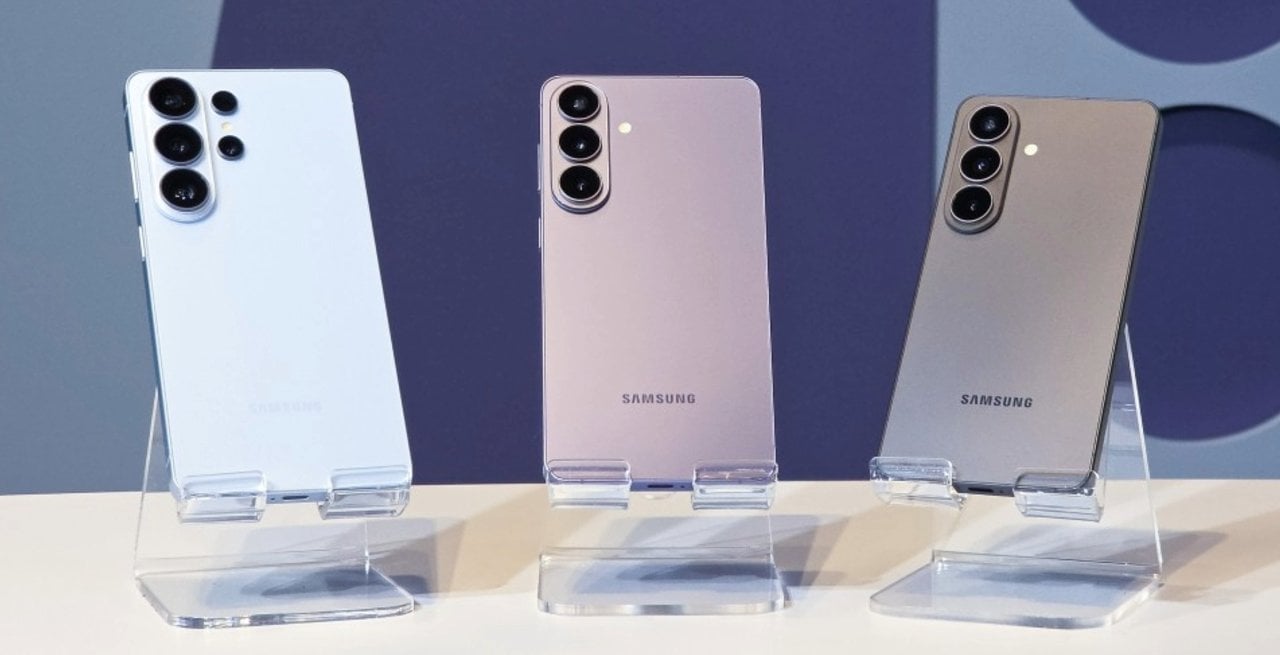
The South Korean manufacturer has made official a structural change highly anticipated by consumers in the premium mobile device category. The brand’s latest top-of-the-line appliance presents a substantial technical evolution in induction power delivery. Especialistas in technology and advanced users criticized the stagnation of this resource in past generations. Historicamente, the company maintained a conservative stance in relation to energy management. Essa Caution stemmed from incidents with lithium ion cells in older models. Agora, the company decides to raise the performance level to compete directly with global high-speed standards. The advancement specifically focuses on reducing user waiting time when connected to magnetic bases. Corporate and domestic routines gain greater dynamism with this hardware implementation. Componentes Renovated internals support higher flows without compromising the physical integrity of the equipment. Today’s engineering philosophy seeks an exact balance between operational security and the constant demand for agility.
For a long time, technical limitations kept the corporate public away from the continuous use of induction bases during business hours. The new internal configuration resolves this bottleneck by allowing optimized energy absorption. The device can manage the heat generated intelligently and autonomously.
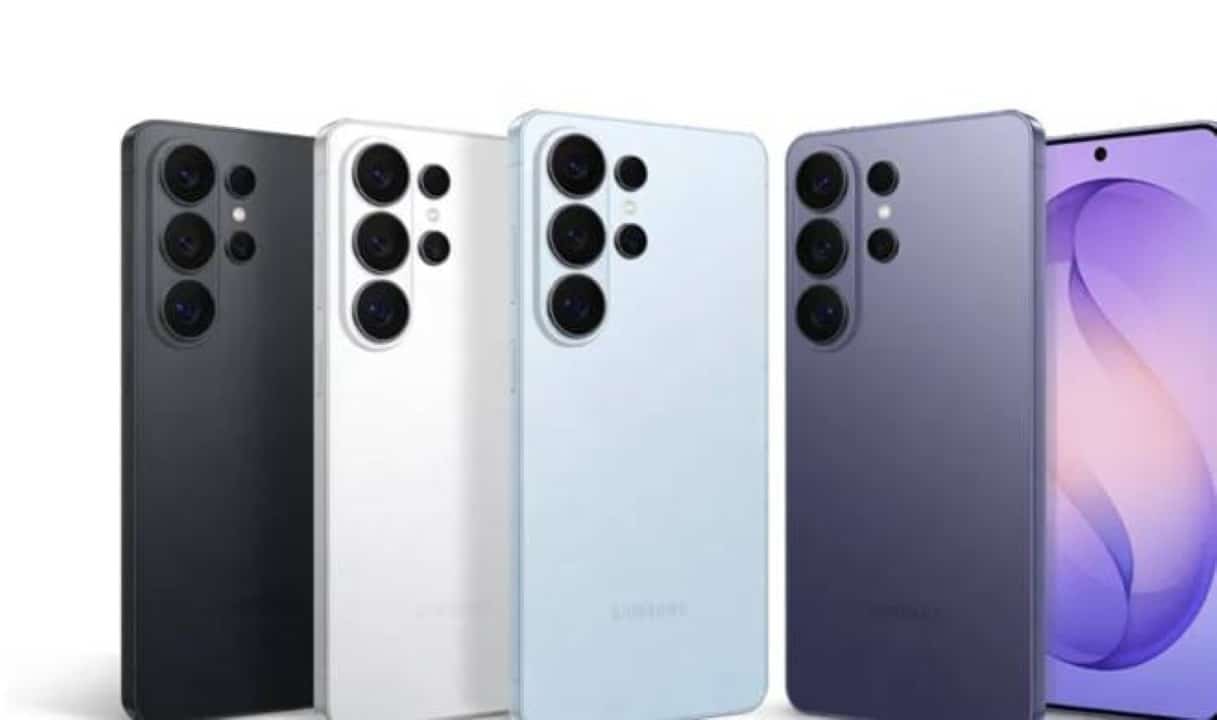
The updated system has specific operating characteristics:
– Potência increased to 25W in the most advanced model in the line.
– Compatibilidade expanded with third-party accessories.
– Gestão improved thermal to prevent overheating.
– Diferenciação clear specifications between versions of the same family.
Technical evolution of magnetic induction
The power jump represents a significant milestone for the manufacturer, which has maintained the 15W limit for several consecutive seasons in the global market. Essa Previous restriction turned wireless charging into a viable option only for extended periods, such as the user’s nighttime sleep. The new internal architecture delivers a practical experience that directly rivals the cable power supply of intermediate models.
Implementing this capability required a complete restructuring of the reception coils located at the rear of the equipment. The device absorbs a greater charge in less time under the reinforced glass, optimizing the use of bases compatible with the Qi standard. The management software works in conjunction with the hardware to constantly monitor the voltage curve.
Practical performance and speed tests
Tests carried out under real conditions of use demonstrate that the equipment reaches between 40% and 45% of its total capacity with just 30 minutes of rest on the magnetic base. Esse index represents almost double the speed recorded in previous generations, which required extended periods to reach similar levels of daily autonomy.
To reach a charge of approximately 80%, the system requires approximately one hour of continuous connection. Essa metric solves the practical difficulty of performing quick recharges during short breaks or work meetings. The improvement positions the device competitively within the high-performance ecosystem.
The company’s strategy focuses primarily on the longevity of the chemical component, avoiding premature wear caused by excessive voltage peaks. The delivery of a stable 25W guarantees a real gain in productivity without exposing internal parts to the risk of accelerated degradation. The resale value and durability of the product are maintained for more years.
Strategic market segmentation
The new hardware is an absolute exclusive to the most expensive and complete version of the smartphone family. The standard and intermediate editions remain limited to the 15W standard used in past seasons. Essa Clear division of specifications creates a very defined market segmentation for the end consumer.
The company uses this technical differentiation to justify the commercial positioning of the device as the true center of innovation in the current catalog. The focus is on the audience that demands all the cutting-edge specifications available in the mobile technology industry. The increased financial investment guarantees exclusive access to the latest productivity tools.
The physical capacity of the equipment also directly influences this division of energy resources. The larger body of the flagship version allows for considerably more efficient and safer heat dissipation. Sistemas Advanced cooling systems require adequate internal space to operate without causing thermal discomfort to the user.
Smaller models could present heating problems if the power is increased without due engineering precautions. Consumers looking for maximum convenience end up being naturally directed towards the most robust option. Esse The device also offers a 6.9-inch screen and the most advanced photography suite in its category.
Safety record and strict protocols
The company’s resistance to increasing power supply speeds has deep roots in past episodes involving critical hardware failures. Após global incidents that resulted in product recalls due to combustion problems, the manufacturer adopted extremely strict safety protocols. Essas internal guidelines have become an absolute reference in the mobile device industry, prioritizing the physical integrity of the consumer above any hasty innovation. Essa Excessive caution has ensured public confidence over the years, but generated a temporary technological lag in relation to Asian competitors who adopted 50W or 100W induction systems.
The current release signals that the engineering department has reached a new level of maturity and confidence in its multi-layered protection systems. Modern equipment has temperature sensors that operate in real time and algorithms programmed to interrupt the flow of current at the slightest sign of thermal anomaly. Essa technical evolution allows innovation to return to the center of product development, offering practical solutions that users constantly requested in specialized forums. Operational safety continues to be the central pillar, but now goes hand in hand with the high performance demanded by the luxury market.
Commercial positioning and added value
The suggested price of R$8,499 reflects the equipment’s position as a luxury item aimed at extreme productivity in the corporate environment. Analistas consider that the financial value is justified by the correction of historical limitations and the inclusion of state-of-the-art components. The cost-benefit is positive specifically for professionals who use smartphones as their main daily work tool. The presence of options with 12GB or 16GB of RAM memory, combined with internal storage that reaches the 1TB mark, guarantees a prolonged useful life for the equipment. The revamped power system acts as the foundation of a project focused on regaining absolute leadership in hardware specifications. The availability of the product at retail consolidates the choice of consumers who wish to avoid planned obsolescence in the short term. The high initial investment is diluted over years of continuous use without significant loss of performance. The manufacturer delivers the most modern features in every internal detail, from the processor to the autonomous management of chemical resources.
Software integration and artificial intelligence
The user interface works in perfect symbiosis with the hardware to monitor the overall health of the power cell. The operating system uses artificial intelligence to learn the owner’s sleep patterns and work routine. The absorption speed is automatically adjusted, operating slowly during the night to preserve its useful life or activating the maximum power of 25W during business hours.





