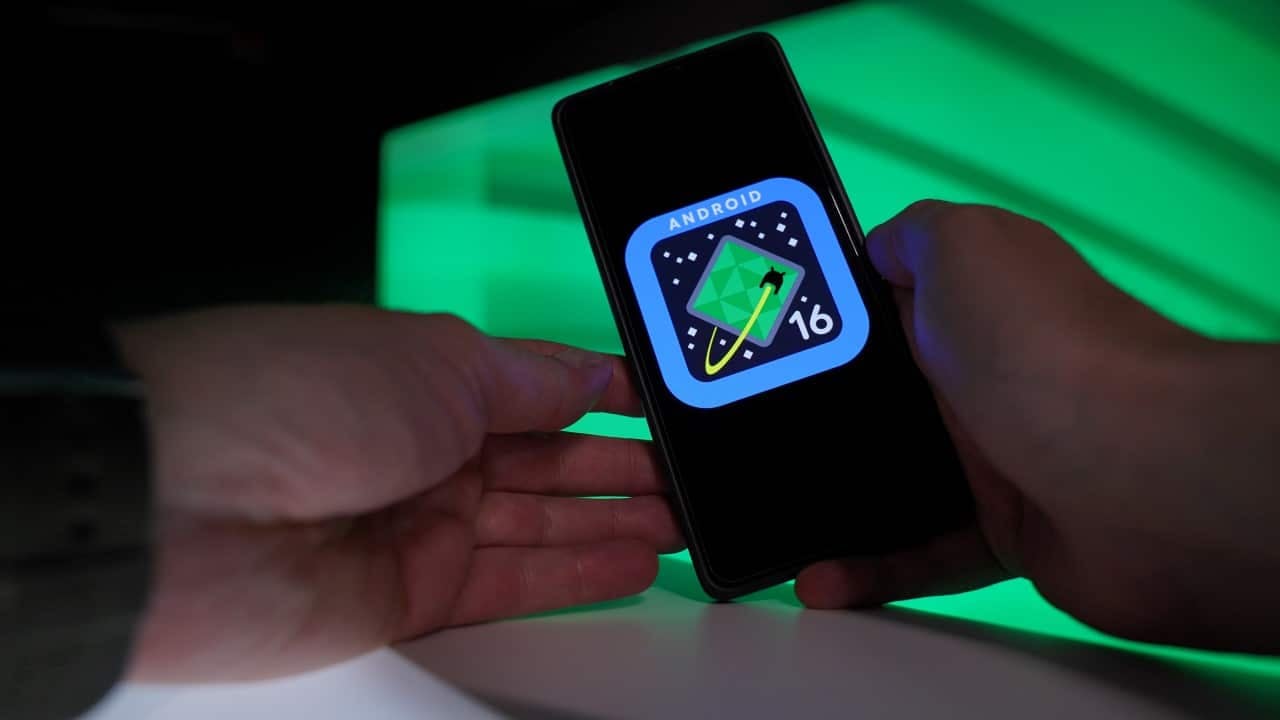
Electronics manufacturer OPPO has begun the gradual rollout of the new ColorOS 16 interface, developed based on the Android 16 architecture, for a variety of smartphones and tablets in its portfolio. The software update reaches consumers with the aim of optimizing daily usability, introducing profound changes to the graphical interface and the way the hardware manages internal resources. Proprietários of eligible devices can now notice significant changes to the lock screen, the display of background applications and the expansion of real-time notification tools.
The update package also sets a new standard for connectivity by introducing direct integration options with devices in the Apple ecosystem, breaking historical barriers between competing operating systems. Além of aesthetic and usability improvements, the Asian company has implemented advanced protection functions that restrict the installation of malicious software, ensuring a more shielded digital environment for users who depend on their smartphones for financial transactions and storing sensitive data.
which quick setting animation do you prefer?
1. ColorOS 16
2. ColorOS 16.1 / ColorOS 17pic.twitter.com/Q5uKelRv9C— Luminance (@LuminanceXS)April 6, 2026
To access the news, owners of compatible devices must check download availability directly in the operating system’s settings menu. The installation process occurs automatically or manually, varying according to the user’s geographic region and the specific model of the device, following the batch release schedule established by the manufacturer to avoid overloading the distribution servers.
Technology experts point out that the transition to ColorOS 16 represents one of the brand’s most significant leaps in recent years, especially as it focuses on long-standing demands from the user community, such as thermal control during charging and fluidity when switching tasks. The company’s strategy aims to consolidate its position in the global mobile device market, offering mature software that directly rivals the interfaces of other giants in the telecommunications sector.
Advanced lock screen customization and everyday convenience
The devices’ lock screen received a comprehensive set of usability improvements with the arrival of ColorOS 16, allowing an unprecedented level of customization for the brand’s users. Agora, the interface supports the addition of multiple information blocks and interactive buttons directly to the main panel, considerably expanding the options that, in previous versions of the system, were restricted to just displaying basic weather data or the daily step counter. Essa Structural change turns the home screen into a real quick control panel.
With the new setting, individuals can view scheduled events on the calendar, read the contents of recent messages, and manage missed call notifications in a much more convenient and straightforward manner. The system also allows you to instantly start audio recordings or activate timers without having to completely unlock the device and search for the corresponding application in the program drawer. Essas changes increase practicality in everyday life, reducing the screen time needed to execute simple and routine commands.
Visual overhaul in open application management
The interface responsible for displaying applications running in the background has undergone a significant redesign in this new version of the software. The previous view, which arranged icons in an aligned fashion below window previews, has been replaced with a cleaner, more direct aesthetic approach.
Quick scrolling between programs using the bottom icon bar has been removed from the system, a design decision that alters the muscle memory of users accustomed to the old layout. The manufacturer chose to simplify the multitasking screen to focus exclusively on the content of the active running windows.
This new organization prioritizes considerably larger previews and more intuitive gesture-based navigation, aligning with the system’s general graphical rendering improvements. The goal is to make the transition between heavy tasks more fluid and visually pleasing for the end consumer.
Expansion of dynamic alerts functionality in the system
The dynamic alerts feature, designed to continuously display information at the top of the screen while playing media or using timers, has gained compatibility with a much larger number of applications. Até the previous generation of software, support for this tool was strictly limited to specific scenarios and native applications from the manufacturer itself.
With the implementation of ColorOS 16, several third-party developers started to integrate the functionality natively into their codes. Essa expansion allows smartphone owners to track travel updates, transport app deliveries or sports scores in real time, without interrupting reading or browsing on other platforms.
Alternative charging system for battery preservation
One of the most practical hardware-oriented innovations is the introduction of alternative charging, a power diversion technology developed specifically to combat premature battery degradation. The feature works intelligently when the device is connected to the socket during intense processor use.
Bypass mode directs the electrical current supplied by the charger directly to the smartphone’s motherboard and processing components. Esse mechanism prevents the power cell from receiving continuous charge while the device demands high performance, preventing chronic overheating of the chassis.
Activation of this tool occurs manually through the power and battery settings menu, allowing the user to decide the exact moment to use it. The function is especially useful in situations of prolonged use with the screen on, such as during heavy video game sessions or GPS navigation on long trips.
Hardware engineering statistics indicate that thermal control measures like this help significantly extend internal component life. Adopting direct charging ensures that the cell phone maintains peak performance without sacrificing long-term battery health, reducing the need for future maintenance.
Advanced threat protection and blocking of unknown sources
Information security received priority attention with the native integration of the advanced protection feature, one of the cornerstones of the Android 16 architecture that is now part of the ColorOS 16 core. By activating this security protocol in the privacy menu, the operating system establishes a strict block against the installation and updating of applications from unknown sources or unofficial stores, reinforcing barriers against the injection of malicious code. Esta defense-in-depth configuration also encompasses much tighter controls over the permissions granted to already installed software, actively monitoring access to the camera, microphone, and location data in the background. The mechanism dramatically reduces the risk of exposure to malware, spyware and phishing attempts that often exploit vulnerabilities in third-party applications. Para consumers who prioritize absolute privacy and use their smartphone as their main work and financial management tool, this tool acts as an additional and invisible layer of defense, operating silently to guarantee the integrity of the data stored in the device’s memory.
First-of-its-kind integration with iPhone devices for calling
The new software update breaks connectivity paradigms by allowing the brand’s smartphones to receive phone calls and notifications directly from an iPhone connected via the Bluetooth protocol. Users can answer voice calls using the OPPO device’s microphone and speaker, in addition to viewing alerts from competing system applications on a unified screen.
The pairing system also makes it possible to check the battery levels of both devices simultaneously through a dedicated panel. Essa functionality transforms the smartphone into a practical complement for individuals who move between the two ecosystems, facilitating daily management without the need to physically switch between cell phone screens.
Distribution schedule for supported models
The stable distribution of ColorOS 16 already includes specific devices, including the OPPO Pad 2, while other models such as the OPPO A5 5G, OPPO A3 5G and the OPPO Pad SE are scheduled to receive the data package in the coming weeks. The manufacturer maintains a dynamic release calendar, adjusting dates according to the results of stability tests and technical feedback provided by the first users to install the system in different regions of the world.
