The sporting goods manufacturer Asics introduced the third generation of the Superblast model to the market, a shoe specifically developed to meet the demand for maximum cushioning. The sports equipment arrives with significant updates to its main structure, focusing on delivering an optimized experience for street runners, from amateurs to professionals. Product engineering prioritized reducing overall weight and increasing responsiveness during strides, using biomechanical data collected at the company’s sports science institute.
The development of this new version required precise modifications in the composition of the materials used in the base of the shoe. The brand’s designers sought an exact balance between absorbing the impact generated by contact with the asphalt and returning this energy to the athlete’s next movement. The geometry applied to the base aims to reduce muscle fatigue accumulated in the legs, allowing the user to maintain performance for longer periods of continuous physical activity.
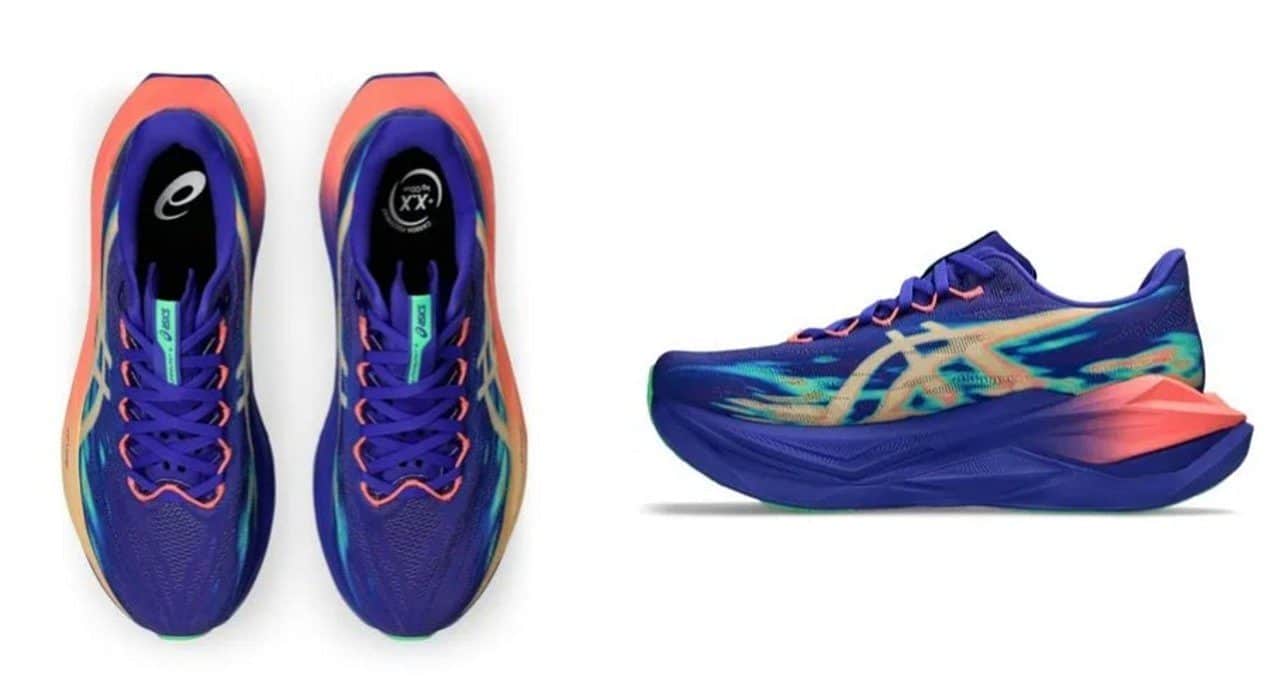
This technical update places the shoe in the super trainers category, which is equipment designed to support large volumes of daily training. The structure caters to both muscle recovery activities at slow paces and sessions that require greater speed and intensity on asphalt.
The main technical specifications of the equipment include the following structural parameters: – Espessura of the sole in the heel region reaches the mark of 46.5 millimeters. – Peso total reduced by approximately 10 grams when compared to the previous edition. – Drop of 8 mm, maintaining the traditional geometry of the line. – Depressão center on the sole designed to favor mechanical deformation and force return.
Prices and availability on the international market
The official launch of the equipment took place in March and distribution already covers the main global sporting goods markets. Consumers will find the product available in a variety of color combinations, including options Cobalt Burst with Light Orange and the classic version in White with Black. The distribution strategy aims to meet the growing demand for high-performance footwear that does not rely exclusively on rigid plates to deliver impressive results on the streets and athletics tracks.
The retail price suggested by the manufacturer is around US$210 in international stores. Esse price positioning reflects the application of cutting-edge technologies and high-performance materials that make up the structure of the sports shoe, placing it in direct competition with leading premium training models from competing brands.
Dual density midsole technology
The most substantial change in the footwear’s engineering focuses on the composition of the midsole, which now adopts a double density system. The upper layer received the material called FF Leap, which replaces the FF Turbo Plus component used in the previous generation of the line.
Essa new foam represents the lightest cushioning material ever developed by the Asian manufacturer. Testes laboratories indicate that the component offers approximately 15% less weight, 30% more damping capacity and 13.7% more responsiveness compared to its predecessor. This evolution in polymer chemistry allows the structure to withstand thousands of compression cycles without losing its original elastic properties, ensuring consistent damping over months of use.
The bottom layer of the midsole maintains the use of FF Blast Plus foam, creating a solid foundation for the system. Essa strategic combination of materials was designed to balance the feeling of extreme softness with the need for efficient propulsion during the stride cycle.
Design focused on stability and propulsion
The total thickness of the platform exceeds the 45 millimeter mark, which definitely places the shoe in the category of models with ultra-thick soles. Apesar From this elevated height, the product engineering was able to maintain an adequate level of stability for the user during linear movement.
The design of the outer sole remains inspired by the functioning of a trampoline, incorporating a strategic central depression. Essa geometric characteristic allows the material to undergo controlled deformation when it receives the load from the runner’s body weight.
The mechanical deformation of this central area is essential to generate the restorative force that propels the athlete forward. Corredores report that this sensation of momentum becomes more noticeable as the running pace increases, especially when landing with the middle foot or the forefoot.
To compensate for the extreme height of the midsole and avoid unwanted twisting, the designers adopted a significantly wider sole base. The expanded contact area with the ground distributes plantar pressure more evenly, which reduces overload on specific points of the metatarsal and heel during the stance phase.
Prolonged comfort and anatomical fit of the upper
When putting on the equipment, the height of 46.5 millimeters in the heel region creates an immediate perception of distance from the ground. Contudo, the internal structure is designed to keep the heel firmly fixed in its correct position. Essa Rigorous fixation is essential to reduce the risk of excessive movement of the foot within the shoe, which consequently minimizes the likelihood of blisters forming caused by friction during long-distance running. The upper opening region features soft padding that optimizes the overall fit and protects the Aquiles tendon area from repetitive friction.
The upper part of the shoe, known as the upper, was constructed with materials that offer a high degree of breathability and thermal control. The fabric wraps the foot evenly, without creating excessive pressure points that could cause discomfort after hours of continuous use. Esses structural elements make the equipment highly suitable for prolonged use, ensuring that the internal microclimate remains regulated even on high temperature days or during training sessions that exceed the two-hour mark. The technological mesh used to make the upper also has quick-drying properties, which facilitates the evaporation of sweat and prevents the accumulation of moisture inside the shoe.
Practical performance at different running paces
The equipment maintains the series’ fundamental concept of acting as a versatile shoe, capable of meeting practically all of a street runner’s training needs. The manufacturer developed the structure with the main focus on delivering additional energy and a continuous feeling of lightness, regardless of the speed imposed by the athlete. The reduction in total weight, despite the 1.5 millimeter increase in sole thickness, resulted in a product that is notably more agile than its previous version. Essa technical feature directly assists in rapid pace transitions and provides crucial energy savings in long-distance races, such as half marathons and marathons. The high-volume cushioning absorbs impacts highly effectively, protecting the joints of the lower limbs, especially when use occurs predominantly on rigid surfaces such as asphalt or concrete on urban roads. The mechanical response of the foam adapts to the force applied, offering softness during slow jogs and reactive firmness during sprints.
Outsole durability and grip
The rubber applied to the outer sole features high-resistance compounds that guarantee safe grip on a variety of paved surfaces. The mapping of the material prevents premature wear in areas of greatest contact and abrasion, which considerably extends the useful life of the shoe for athletes who maintain an intense daily training routine. The thickness of the rubber was calculated so as not to compromise the overall lightness of the product, being applied only in critical traction areas, such as the fingertips and the outer edge of the heel.
Absence of carbon plate and natural feel
An important differentiator of this model in the current super footwear market is the absence of a rigid carbon fiber plate in its midsole. Essa engineering decision preserves the natural flexibility of the foot and avoids the extreme rigidity that characterizes pure competition models. The flexibility maintained by the absence of the plate allows the intrinsic muscles of the feet to continue working actively, which is considered beneficial by coaches for strengthening stabilizing structures.
The product specifically appeals to consumers who want to experience the brand’s most advanced foam technologies without altering the natural biomechanics of their run. The balance achieved between high-volume cushioning and energy return allows the equipment to adapt to different tread profiles and varied sporting objectives. The absence of rigid elements also makes the shoe a viable option for vigorous walking and prolonged casual use by people who require orthopedic support and maximum shock absorption in everyday life.