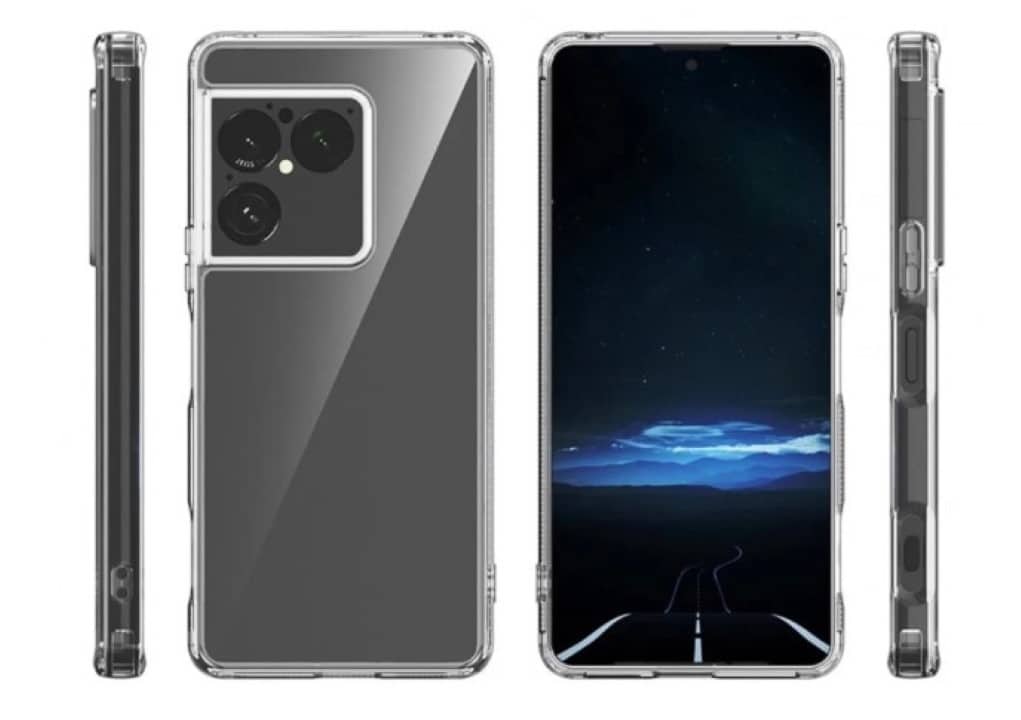
Recent images released by sources linked to the Asian supply chain show drastic changes in the design of the Japanese manufacturer’s next high-performance mobile device. The device abandons visual characteristics maintained for several generations in favor of an aesthetic aligned with current trends in the technology sector.
The renderings indicate the removal of the thick top and bottom bezels, which housed sensors and front cameras in previous models. The new structure adopts a front panel that occupies practically the entire surface of the equipment, maximizing the useful viewing area for the user.
ソニー Xperia 1 VIIIpic.twitter.com/h3MbxJc92K
— テック・アルティメイタム (@TechieUltimatum)2026年4月2日
The leak also points to a significant change at the rear of the equipment, with the replacement of the traditional vertical lens arrangement. The company opted for a square block positioned in the upper region, changing the consolidated visual identity of the product line.
Changes to screen aspect ratio and front design
The manufacturer decided to end the use of the elongated screen proportion, which has become a trademark of its devices aimed at media consumption and content creation. The new format brings the device closer to the standards adopted by the main competitors in the global smartphone market.
To achieve the borderless look, the brand’s engineers are testing the implementation of a hidden front camera under the display or the adoption of a small circular cutout on the screen. Ambas solutions aim to deliver an uninterrupted visual experience while playing videos and running games.
Reformulation of the image capture system
The rear photographic module has undergone complete reengineering, abandoning the vertical pill format used in recent years. The new square block houses larger sensors and improved lenses, developed in ongoing partnership with German manufacturer Zeiss.
Technical collaboration ensures the application of advanced anti-reflective coatings on the lenses, reducing light distortions in environments with complex lighting. The photography suite is designed to meet the demands of professional photographers and digital content creators.
Preliminary information suggests the inclusion of a long-range optical zoom system with improved stabilization. The photographic hardware configuration seeks to offer versatility for different capture scenarios, from macro photographs to wide landscape recordings.
Internal cooling system upgrade
The device’s new internal design includes a significantly larger vapor chamber compared to the previous generation. The structural modification aims to resolve overheating issues reported by users when recording high-resolution videos.
In addition to the vapor chamber, the manufacturer incorporated additional layers of high thermal conductivity graphene on the main board. The material helps dissipate heat generated by the central processor quickly and efficiently to the edges of the chassis.
Improved thermal management allows the device to maintain peak performance for extended periods, an essential feature when running heavy-duty applications. The system prevents automatic reduction in processing speed, known as thermal throttling.
Stress tests carried out on prototypes indicate that the new cooling architecture supports continuous gaming sessions with advanced graphics without compromising the device’s external temperature. The improvement directly meets the demands of the public focused on digital entertainment.
Market strategy and focus on specific niches
The company’s mobile device division restructured its business approach, prioritizing profitability over massive sales volume. The strategy consists of targeting the new equipment at specific niches, such as technology enthusiasts, audiovisual professionals and frequent gamers, offering highly specialized hardware and software resources that justify the product’s premium retail positioning.
To optimize profit margins, the manufacturer plans to strengthen its direct sales channels to consumers and establish exclusive partnerships with telephone operators and selected retail chains. Reducing dependence on intermediaries allows for tighter control over the final price of the device and improves the efficiency of the distribution chain in Europa and Ásia’s strategic markets.
Advanced hardware and processing performance
The new smartphone’s processing core is powered by the latest silicon platform available for high-end mobile devices, ensuring superior execution speeds and greater energy efficiency. The chip’s architecture integrates neural processing units dedicated to artificial intelligence tasks, optimizing everything from real-time image processing to intelligent battery consumption management. Random access memory has been expanded to support fluid transition between multiple simultaneously open applications, while internal storage utilizes the industry’s fastest read and write standards, reducing load times for large files. The deep integration between the cutting-edge hardware and the operating system customized by the manufacturer results in agile and responsive navigation, designed to not present any stutters even under maximum workload when editing videos in native resolution.
Release forecast and commercial availability
The manufacturer’s internal planning points to an official announcement at the end of the first half of the year, following the traditional cycle of line updates. Test Unidades is already circulating among software developers for final optimization of the operating system before mass production begins.
User interface and software adjustments
The software development team is working on a redesigned user interface to take advantage of the new borderless screen format. The icons, menus and native applications have been adapted to ensure ease of use with just one hand, despite the generous dimensions of the front panel.
The operating system will bring exclusive multitasking features, allowing the screen to be split for the simultaneous use of two or more productivity tools. The manufacturer also promises an extended cycle of security updates to extend the useful life of the equipment.
Expectations from the technology sector
Mobile device market analysts are closely observing the Japanese manufacturer’s change of direction, considering the new design a necessary step to maintain relevance in a highly competitive segment. The adoption of consolidated visual trends, combined with the maintenance of exclusive technical resources, can attract consumers who previously opted for rival brands due to the aesthetics considered dated by previous models.
The public’s response to this visual and hardware overhaul will determine the long-term viability of the company’s smartphone division. The commercial success of the new device will depend on the brand’s ability to effectively communicate improvements in cooling, processing and image capture, convincing users that the structural changes result in practical benefits in everyday use.