
Production company Capcom defines schedule with Resident Evil 10 and new remakes for the coming years

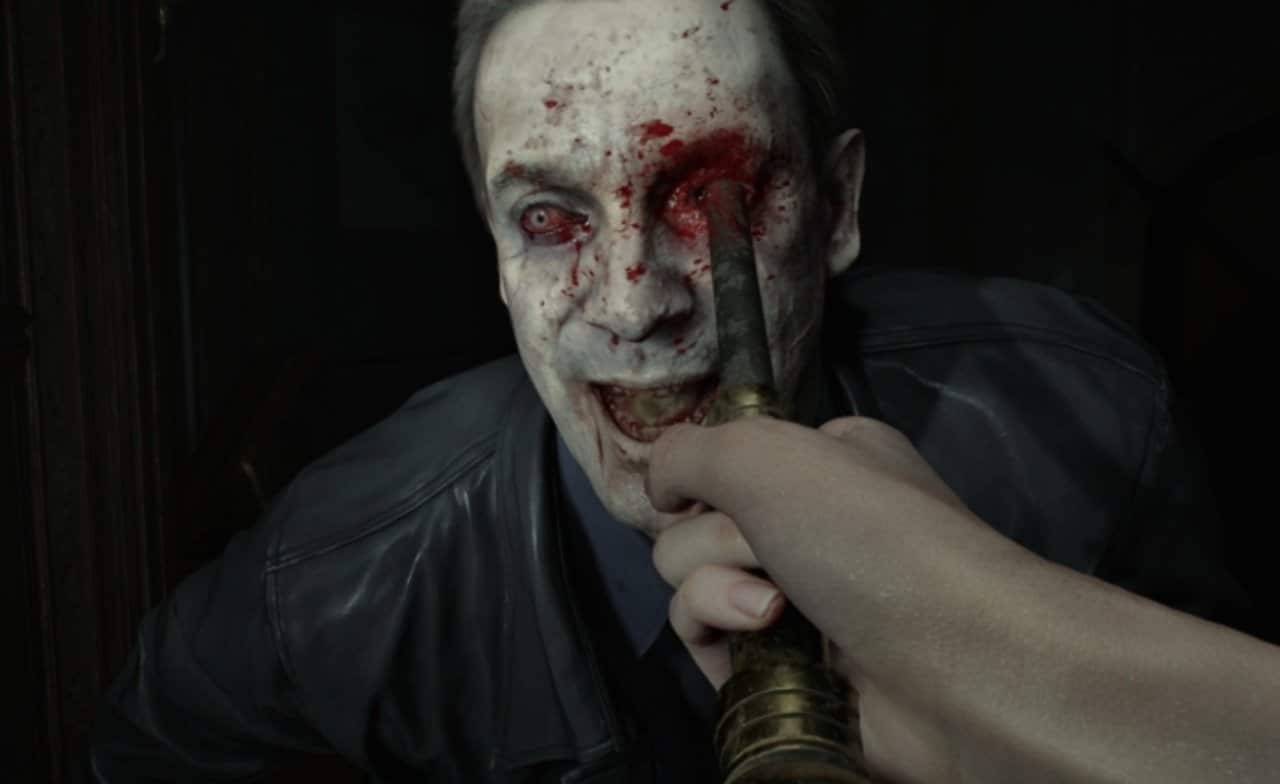
The Japanese developer responsible for the survival and horror franchise has established a new strategic plan for the next decade of releases. The internal schedule points to the simultaneous production of multiple titles, ensuring the brand’s continuity in the global digital entertainment market. The decision aims to maintain public engagement without compromising the technical quality standard required by consumers of the current generation of consoles and computers.
The company’s main focus is on structuring the next canonical chapters of the series, in addition to revitalizing classic works that marked previous generations. The production company’s board approved the allocation of substantial resources to different internal studios, allowing different teams to work on parallel projects. Essa division of labor is intended to avoid prolonged hiatuses between releases, a business failure that has plagued the gaming industry in the past.
Internal documents and market movements indicate that the business strategy involves the complete modernization of the workflow. The company seeks to integrate art creation, programming and level design processes under the same technological umbrella, facilitating the sharing of resources between development teams. The expected result is a more efficient production line capable of delivering complex narratives in an optimized period of time.
Development of new technologies and graphics engine
To support the ambition of the new projects, the producer began a deep update process in its proprietary graphics engine, known in the market as RE Engine. The tool, which was fundamental to the success of the company’s recent releases, is receiving structural modifications to handle significantly larger and more detailed game environments. The new iteration of technology promises to optimize dynamic lighting processing, ultra-high-resolution textures and advanced artificial intelligence for enemies, essential elements for the franchise’s signature tense atmosphere.
The technological transition also aims to facilitate the portability of games between different hardware platforms, reducing the time needed to adapt the source code for different systems. Engenheiros of the company’s software works on implementing rendering routines that require less raw processing power, ensuring that future titles maintain a stable frame rate even in scenes with multiple elements on screen. Esse investment in digital infrastructure is considered the central pillar that will allow the simultaneous execution of remakes and new sequences without production bottlenecks.
Structural changes in the ninth chapter of the series
The next numbered title in the franchise, currently in advanced stages of production, represents a paradigm shift in the series’ level design structure. Informações behind-the-scenes footage points out that the development team is implementing open-world mechanics, allowing for less linear exploration than seen in previous games.
The adoption of expansive maps requires a reformulation in the way the narrative is presented to the player, integrating secondary missions and random encounters with hostile creatures. Developers seek to balance the feeling of isolation and scarcity of resources with the freedom to navigate different areas of an isolated region.
The inventory management system and combat physics are also undergoing revisions to adapt to the new progression format. The intention is to create a virtual ecosystem where the player’s tactical decisions have a direct impact on their ability to survive throughout more extensive campaigns.
Long-term planning for the tenth game
The conception of the tenth main chapter of the series has already begun in the production company’s offices, with a release window projected for the end of the current decade. The project is in the pre-production phase, where screenwriters and art directors define the visual concepts and dramatic arcs of the characters.
The planning indicates that this title will serve as a culmination point for several plots that have been built since recent narrative reboots. The creative team is responsible for tying up loose ends in the story, offering resolutions for veteran protagonists and introducing new biological threats.
Production is being structured to utilize the maximum capacity of the next generation of hardware, anticipating technological trends in the video game market. The budget allocated to this specific project is one of the largest ever approved by the company’s board of directors for a single entertainment product.
Alignment meetings between executive producers occur periodically to ensure that the project’s original vision does not suffer significant deviations over the years of development. Maintaining a core team dedicated exclusively to this title demonstrates the company’s commitment to the future of its most valuable intellectual property.
Return of classics with visual updates
In parallel with the new chapters, the company’s strategy includes the recreation of acclaimed titles from the past, with a special focus on works released in the early 2000s. Projetos involving origin narratives and parallel stories are being remade from scratch, using modern motion capture and updated dubbing to attract both nostalgic audiences and new consumers.
The modernization of these classic games involves replacing fixed cameras with over-the-shoulder third-person perspectives, standardizing gameplay with the developer’s most recent commercial successes. Developers are also expanding original areas and rewriting dialogue to ensure greater cohesion with the franchise’s official chronology.
Market strategy and internal restructuring
The company’s management reorganized its development studios to support the production volume required by the new schedule. Equipes who previously worked in isolation now operate on a rotation system, sharing libraries of digital assets and programming codes.
This collaborative approach reduces operational costs and speeds up prototyping time for new gameplay ideas. The standardization of internal processes allows the company to maintain a constant flow of announcements and launches, taking up space in specialized media and on the virtual shelves of application stores.
Expansion of the brand beyond video games
The strengthening of intellectual property is not restricted to the development of interactive software, it encompasses an aggressive licensing strategy for other entertainment media. The corporation has established partnerships with animation studios and film producers to create films, television series and computer graphics animations that expand the franchise’s fictional universe. The sale of licensed products, such as clothing, collectibles and printed publications, creates an ecosystem of continuous consumption that keeps the brand in the spotlight even during periods when there are no game launches. Essa Revenue diversification guarantees the financial stability necessary to finance the high production costs of the main titles, mitigating the risks inherent to the video game industry and consolidating the company’s presence in global pop culture on a permanent basis.
Producer’s financial expectations
The company’s shareholders and investors were informed about the aggressive sales projections linked to this new launch cycle. CFO expects the combination of first-run sequels and high-budget remakes to boost operating profit margins, keeping the company in a leading position in the digital horror entertainment segment.





