
Production of the second season of Marvel Zombies advances on Disney+ with expansion of the universe

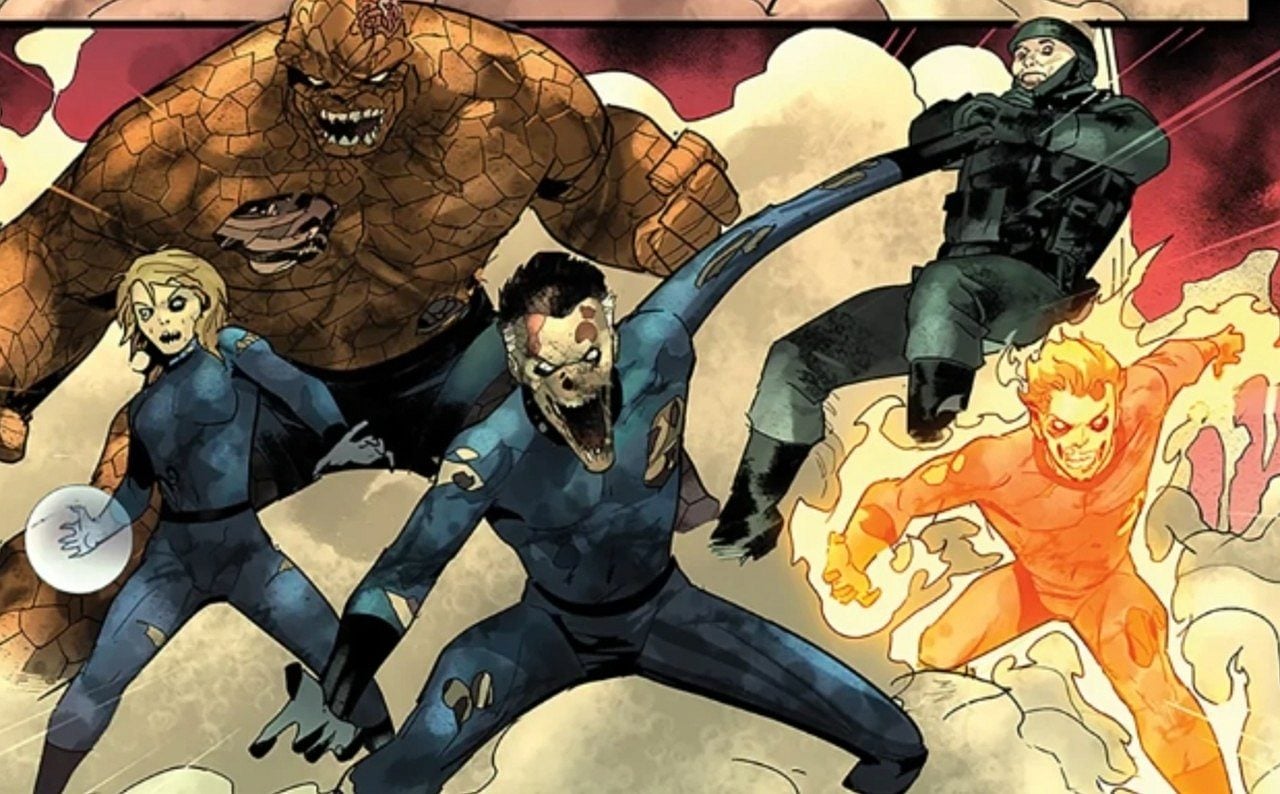
The animation division of Marvel Studios has officially started the development of the second season of the series Marvel Zombies. The progress of the project occurs even before the premiere of the first year of production, scheduled to reach the catalog of the streaming platform Disney+ in September. Confirmation of the progress of internal work establishes the continuity of the narrative that explores an alternative reality of the superhero universe.
The head of the company’s streaming, television and animation department detailed the current stage of the work during an update on the release calendar. The creative team finished previewing the first animatic, a preliminary version that combines storyboards and temporary soundtrack to guide the final animation of the new episodes.
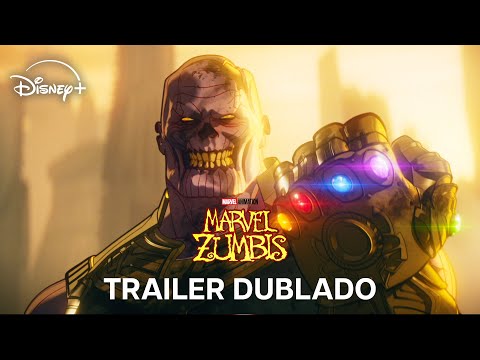
- The indicative rating is aimed at an adult audience due to the high level of graphic violence.
- The plot derives directly from a specific episode of the anthology series What If…?.
- The first season features a reduced count of four episodes focused on survival.
The main plot follows a group of survivors in an apocalyptic scenario where an unknown virus has infected the planet’s main heroes. The transformation of central figures into the undead creates an environment of extreme survival for the remaining characters, forcing unlikely alliances and combat against former teammates.
Creative direction and narrative expansion
The transition from the first to the second season abandons the closed miniseries format. The developers structured the sequel to expand the scale of the events shown in the initial episodes, removing the geographic limitations of Terra and exploring the consequences of the infection on a much larger scope.
The outcome of the first year establishes a complex scenario with the character Wanda Maximoff taking control of the horde of infected. Feiticeira Escarlate’s position as the main antagonist changes the power dynamic between the survivors and the zombies, raising the threat level due to her magical abilities unaffected by the virus.
The protagonists Kamala Khan, Ms, Marvel, and Riri Williams, Coração, Ferro, lead the resistance against the global threat. The narrative follows the duo’s journey in search of resources and allies in a hostile environment, using improvised technology and newfound powers to keep humanity safe.
Production details and release schedule
The animation department maintains a continuous flow of work to avoid long gaps between seasons. The simultaneous production strategy allows the technical team to advance the sequel’s scripts and concept art while the original episodes go through the post-production and final rendering process.
The series’ integration with the multiverse established in cinemas offers creative freedom to the screenwriters. The absence of restrictions linked to the main timeline makes it easier to introduce radical concepts and eliminate important characters without affecting the live-action films that make up the core of the franchise.
The executive responsible for the television division highlighted the quality of the preliminary material evaluated by the board. The quick approval of the first visual drafts demonstrates the studio’s confidence in the team led by director and executive producer Bryan Andrews, responsible for unifying the project’s aesthetic vision.
The streaming platform’s premiere calendar positions the series as one of the main releases of the last quarter of the year. The marketing campaign must intensify the dissemination of graphic materials and trailers in the months before the content is made available, focusing on the dark tone of the work.
Cosmic elements and new threats in the script
The progression of the story suggests the introduction of extraterrestrial elements into the mythology of the animated series. The opening of dimensional portals at the end of the first season creates escape routes for survivors, but also exposes other galaxies to the zombie virus. The possibility of infection from alien races such as the Skrulls, Kree or even cosmic entities increases the level of danger faced by the protagonists. The writing team uses this premise to explore new settings that differ from the destroyed cityscapes of Terra, adding a layer of space sci-fi to the survival horror genre.
The development of off-planet Terra threats requires the creation of new designs for the infected characters. The art department works on visually adapting cosmic heroes and villains to the zombie aesthetic, maintaining the recognizable identity of each figure while adding the traces of decomposition and mutation caused by the virus. The graphic violence, a central feature of the work, gains new proportions with the use of alien powers and advanced technology in direct combat against the horde of undead led by Wanda Maximoff.
History of the franchise in comics
The origin of the concept dates back to comics published in the early 2000s, when screenwriter Robert Kirkman developed a miniseries focused on an alternative universe devastated by a zombie plague. The commercial success of the original publication generated several sequels and derivatives in the pages of magazines, establishing the brand as one of the publisher’s most popular alternative lines. The adaptation to the audiovisual format retains the dark essence and acid humor of the source material, although it modifies the origin of the virus and the list of characters involved to align with the events and figures presented in the Infinity Saga and the Cinema Multiverse Saga. The transition from page to screen required adjustments to the narrative to accommodate the episodic format, but the premise of cannibalistic heroes maintaining their superhuman abilities remains the central pillar of the attraction.
Technical process and visual style of animation
The animation style chosen for the project uses cel-shading techniques to emulate the texture and lines of traditional comic books. Esta visual approach allows animators to highlight the grotesque details of zombie transformations without losing the characters’ original heroic identity. The color palette adopts darker and desaturated tones compared to the studio’s conventional productions, reflecting the atmosphere of desolation and urgency that permeates the narrative. Digital lighting work plays a key role in creating suspense, hiding threats in the shadows and gradually revealing the infected during action sequences.
The recording of the original voices occurs in parallel with the development of the storyboards, allowing the vocal performances to influence the facial expressions and the comedy or drama timing of the scenes. The dubbing direction focuses on extracting performances that convey the physical and mental exhaustion of the survivors. Sound engineering also receives special attention, with the creation of specific sound effects for the zombies’ movements and vocalizations, differentiating them from the generic monsters found in other media. The original soundtrack complements the experience, mixing twisted heroic themes with atmospheric horror compositions.
Positioning in the streaming market
The focus on animations with a higher rating represents a change in the company’s content strategy for the digital platform. The offer of productions aimed at an adult audience aims to diversify the catalog and retain subscribers who are looking for more mature and intense narratives within the superhero segment.
Expectations for the future of the animated division
The continued investment in spin-off projects demonstrates the strength of the animation department within the studio’s corporate structure. Creating a specific label for these productions organizes the calendar and facilitates communication with the public about the independent nature of these stories.
The reception of the first season will dictate the pace of production of new episodes and the possible expansion for a third year. Executives monitor engagement metrics and discussions on social media to adjust the creative direction of future phases of the animated universe.





