
Swedish discovery reveals how Bcl-2 protein blocks apoptosis in cancer cells during chemotherapy

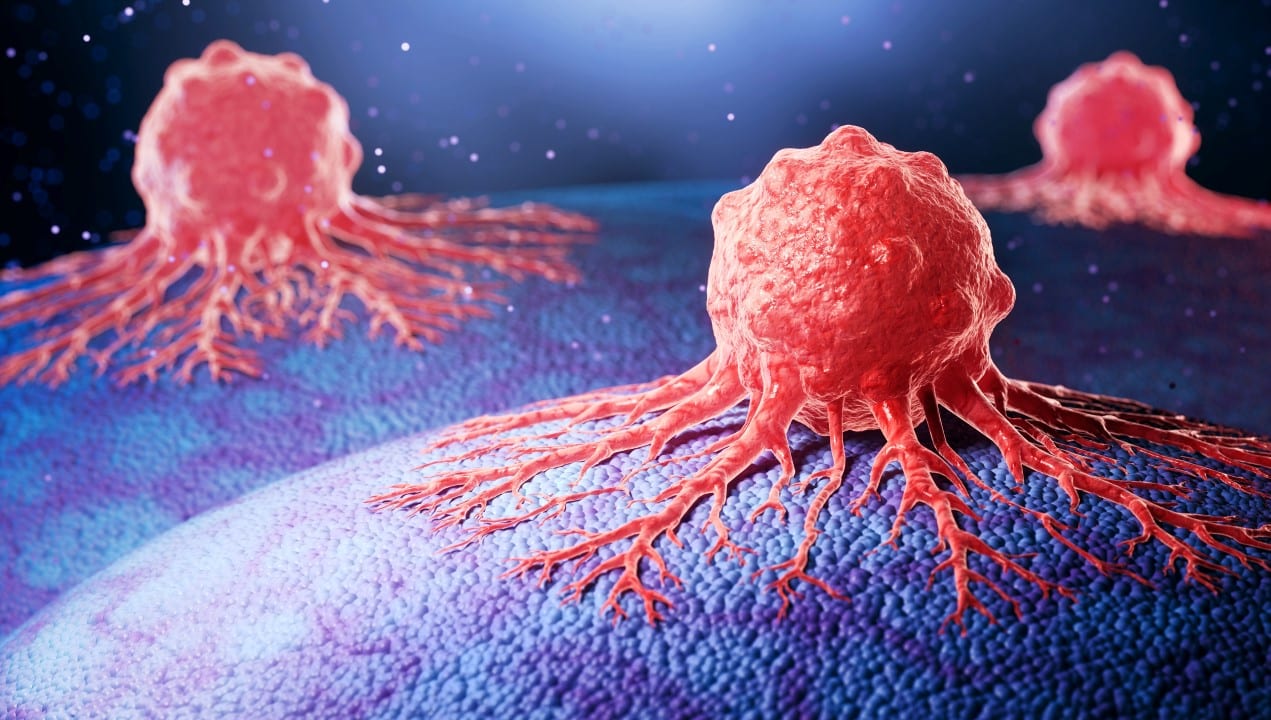
Swedish researchers have identified a two-step molecular mechanism that allows cancer cells to resist treatments such as chemotherapy and radiotherapy. The Bcl-2 protein acts as a guardian by blocking the action of the Bax protein, responsible for triggering the programmed death of cells, known as apoptosis. Esse process occurs in the mitochondrial membrane and explains why many tumors survive even after intense therapies. The discovery was published in the journal ACS Chemical Biology and could guide the development of new, more effective medicines.
The study was led by Gerhard Gröbner, professor at Universidade of Umeå, at Suécia. The scientists used advanced techniques such as neutron reflectometry and ATR-FTIR spectroscopy to observe the behavior of proteins in simulated membranes. The results show that Bcl-2 captures Bax molecules quickly and forms more stable complexes over time. Essa interaction prevents Bax from forming pores in the mitochondria, which would release substances capable of initiating cell death.
Blocking mechanism occurs in distinct phases
The Bcl-2 protein begins the protection process within minutes by forming pairs with individual Bax molecules. Esses pairs evolve into larger oligomers over hours, moving Bax away from the mitochondrial membrane. Cardiolipin, a lipid present in mitochondria, normally facilitates the action of Bax, but does not prevent the blockade exerted by Bcl-2. Mesmo With large amounts of Bax activated by treatments, the Bcl-2 mechanism maintains the efficiency of tumor resistance.
This discovery details how Bcl-2 can simultaneously neutralize several Bax molecules. The blockade becomes more robust than previously imagined, which contributes to the survival of cancer cells. Tumores that produce high levels of this protein are more likely to resist conventional therapies. The researchers highlight that the finding opens the way for interventions that can dismantle these protein complexes.
Implications for the development of new therapies
Bcl-2 is present at high levels in approximately half of human cancers, which reinforces the clinical relevance of the study. Novos drugs could directly target the interaction between Bcl-2 and Bax to restore the natural process of apoptosis. Understanding this two-step mechanism allows for more precise and targeted drug design. Especialistas consider that this type of molecular knowledge could improve the effectiveness of existing treatments in the future.
Gerhard Gröbner explained that the protective protein blocks several Bax molecules at the same time, making the process more efficient. The experiments were carried out in controlled environments that simulate real conditions of mitochondrial membranes. The research was not limited to static observation, but followed the temporal dynamics of protein interactions. Esses details help explain variations in patient response to the same therapeutic protocols.
Technical details of the Swedish study
Scientists simulated mitochondrial membranes to analyze the exact role of cardiolipin in the process. The neutron reflectometry technique made it possible to visualize the behavior of proteins in real time. ATR-FTIR spectroscopy complemented the data by identifying structural changes in the molecules involved. The results confirm that the blockade persists even in conditions rich in lipids that facilitate apoptosis.
Apoptosis represents a fundamental mechanism of the organism to eliminate damaged or mutated cells. Tratamentos against cancer depend on the activation of this pathway to destroy tumor cells. Quando to Bcl-2 interferes efficiently, therapies lose part of their potency. The study contributes to a deeper understanding of the reasons why some tumors become resistant.
Advances in understanding tumor resistance
Previous research has already indicated the role of Bcl-2 in protecting cancer cells. The new work advances by describing the two-step mechanism with temporal and molecular precision. Essa approach can inspire combined strategies that act on both Bcl-2 and other resistance pathways. The authors reinforce that detailed knowledge of protein interactions is essential for therapeutic progress.
The study was recently published and is already arousing interest in the international scientific community. Técnicas high resolution allowed us to map interactions that previously remained poorly understood. Universidade of Umeå focuses efforts on research that connects molecular biology to clinical applications. The results reinforce the importance of investing in basic studies to solve complex oncology challenges.
Future perspectives based on discovery
Scientists plan to explore ways to stop the formation of the Bcl-2-Bax complexes. Medicamentos that destabilize these pairs could restore the sensitivity of tumors to current treatments. The approach may be particularly useful in cancers known to have high expression of Bcl-2. The work opens up possibilities for personalized therapies that consider the molecular profile of each tumor.
The research used experimental models that replicate relevant physiological conditions. The data obtained strengthens the scientific basis for the development of more effective inhibitors. Especialistas follow the progress with the expectation of clinical translations in the medium term. The detailed mechanism offers a clear target for novel pharmacological interventions.
Cancer cells explore multiple strategies to evade programmed death. The Bcl-2 pathway represents one of the most efficient in different types of tumors. Entender Each stage of the block allows for more surgical and less toxic interventions. The Swedish study adds an important piece to the puzzle of resistance to cancer treatment.





