
Toyota develops new generation of turbo engines to increase the efficiency of the Corolla global sedan


The thirteenth generation of the world’s best-selling sedan is rapidly advancing in its development phase, bringing a complete overhaul of its mechanical architecture. The Japanese automaker is focusing its efforts on creating a new family of turbo engines, specifically designed to offer unprecedented levels of power and energy efficiency. The project adopts a highly flexible approach, structured to meet the complex and varied demands of the global automotive market.
This engineering strategy allows the vehicle to receive multiple propulsion combinations, adapting to the infrastructure realities of each continent. The fundamental pillars of this new phase of development include:
- Introduction of small-sized turbocharged engines.
- Expanded compatibility with carbon neutral fuels.
- Improved integration with hybrid and electric systems.
The flexibility of the powertrain ensures that the model remains highly competitive both in countries with advanced energy matrices and in regions that still rely heavily on traditional fuels for daily mobility.
Technical evolution and strategic partnership in development
The brand’s engineering team works closely with Subaru and Mazda to enable the creation of this new family of thrusters. The main objective of joining forces between Japanese manufacturers is to optimize research resources and accelerate the delivery of highly efficient combustion engines.
The joint project focuses on the development of mechanical units that have significantly smaller dimensions and lower weight than engines currently available on the market. Essa Structural reduction is a determining factor for the future of the sedan.
Reducing the size and weight of the mechanical assembly directly contributes to improving aerodynamics and the overall efficiency of the vehicle. The space saved in the engine bay allows for a lower, more fluid front design.
Furthermore, the lightness of the new components compensates for the additional weight of the batteries in models equipped with hybrid systems, ensuring superior dynamic balance when driving on different types of roads.
Propellant replacement and performance gains
One of the main highlights of the mechanical renovation project is the introduction of an unprecedented 1.5 turbo engine, which was meticulously designed to replace the traditional 2.5 naturally aspirated engine used in several of the brand’s current applications. Esta change represents a significant leap in automotive engineering, as the new unit manages to deliver superior power while providing a reduction in fuel consumption that can reach thirty percent compared to its predecessor. The advanced architecture allows this engine to operate completely independently or perfectly integrated into a hybrid system, offering a wide range of configuration possibilities for different versions of the vehicle.
At the same time, the manufacturer is preparing the launch of a 2.0 turbo engine, intended to replace the current 2.4 turbo that equips the highest performance models within the company’s portfolio. Esta The larger displacement unit also benefits from the compact design philosophy, ensuring the vehicle maintains a low center of gravity and excellent weight distribution between the axles. Todos These new engines were built from the ground up to support the use of carbon-neutral fuels, ensuring compliance with the stringent environmental regulations that will come into force in the coming years, without sacrificing any sacrifice in the dynamic driving experience.
Regional adaptation and market flexibility
The global nature of the sedan requires a highly adaptable commercial and mechanical strategy to deal with the different paces of the energy transition around the world. The manufacturer recognizes that the imposition of a single technology on a global scale would be unfeasible in the current scenario.
In regions that have strict emissions laws and a robust charging infrastructure, the sales focus will shift massively towards plug-in hybrid variants and all-electric options. The objective is to meet government requirements and local consumer demand for clean mobility.
On the other hand, in markets where electrification is still in the early stages of implementation, options with advanced internal combustion engines and flex technology will continue to be the main pillar to maintain product accessibility.
Visual transformation inspired by recent concepts
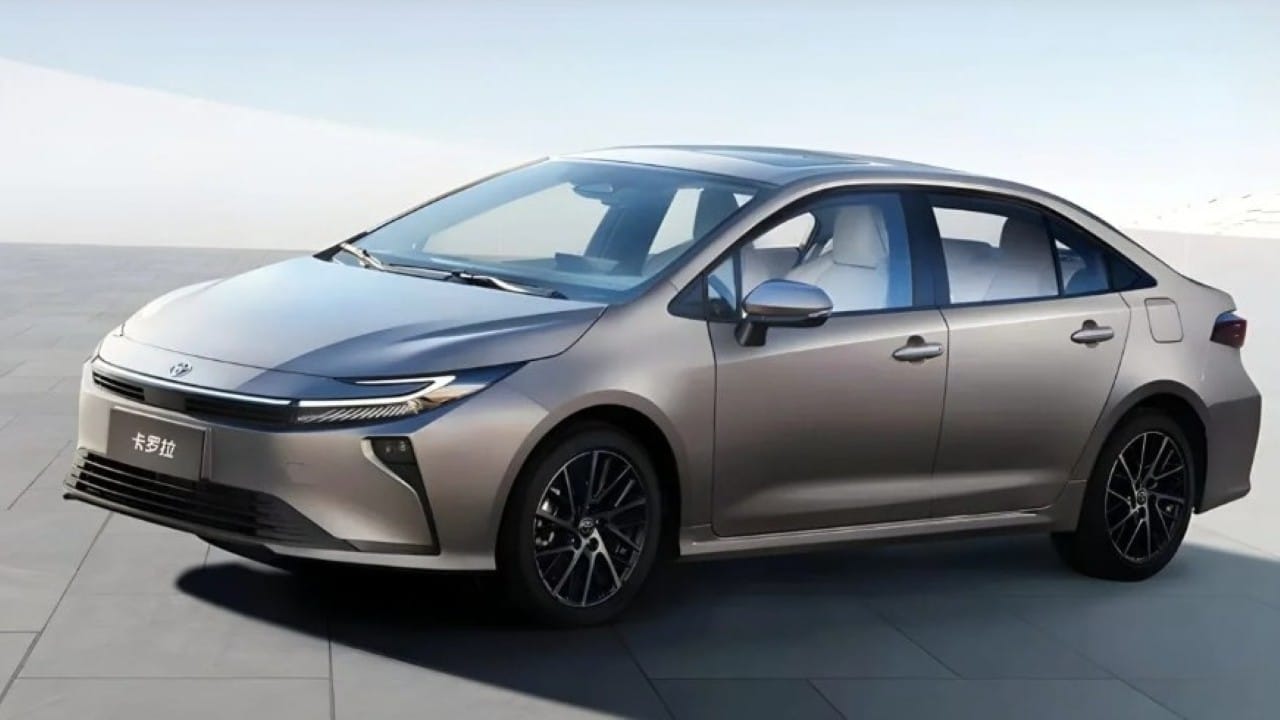
In addition to the profound mechanical updates, the vehicle’s aesthetic direction is undergoing a radical transformation, based heavily on design studies presented recently at automotive events at Japão. The bodywork abandons the conservative lines that marked previous generations.
The front of the sedan adopts a much more aggressive and imposing stance, characterized by headlights with vertical light signatures and pixelated elements integrated into the horizontal grille. Essa new visual identity creates a dynamic appearance that reflects the modernity of the mechanical assembly.
Back identity and appeal to new audience
The rear section of the vehicle complements the boldness of the front, featuring headlights interconnected by a light bar and a rectangular geometric approach that reinforces its new identity on the streets. The design seeks to convey a feeling of greater width and stability.
While concept cars often feature exaggerated lines that don’t make it to the streets, the automaker signals that the production model will retain much of that striking personality. The strategy aims to attract a younger consumer base while maintaining the loyalty of the brand’s traditional customers.
Expanded compatibility with energy matrices
The engineering architecture of the new family of engines goes far beyond simply optimizing the use of traditional gasoline, embracing a multi-path energy strategy that significantly extends the life cycle of the vehicle platform. Estes thrusters are meticulously calibrated to accept a wide variety of energy sources, which includes the use of ethanol, liquid hydrogen and sustainably produced synthetic fuels. Esta Technical versatility is extremely important for specific markets, where biofuels play a dominant role in the transport sector and flex technology remains a primary demand from consumers. By integrating these combustion engines with state-of-the-art hybrid systems, the vehicle gains the ability to use the thermal engine solely as an electricity generator or as a source of auxiliary power during moments of peak acceleration demand. Nas plug-in configurations, this technological arrangement allows the sedan to travel substantial distances depending exclusively on the electrical energy stored in the batteries before the combustion engine needs to be activated, a feature that perfectly suits both drivers who make daily urban trips and those who frequently face long road trips.
Component testing and calibration schedule
Engineering teams are currently conducting a rigorous battery of calibration tests in diverse climatic and geographic conditions, ensuring that the new powertrains deliver consistent reliability and high performance before official launch into the automotive market.





