
Accelerated sales of the new MacBook Neo run out of A18 Pro chips and force Apple to reevaluate costs


The launch of the MacBook Neo recorded commercial demand that largely exceeded the initial projections established by the manufacturer. The entry-level notebook became an immediate success on global shelves, which resulted in the rapid exhaustion of available stocks of processors intended for this specific line. The technology company is now mobilizing its internal teams to discuss emergency solutions with supply chain partners, aiming to maintain a high production rate and avoid product shortages at retail.
The company’s original strategy consisted of a high logistical efficiency model, focused on reusing components considered surplus from the brand’s premium smartphone assembly line. Esses processors, which had small imperfections and did not meet the strict thermal and maximum performance requirements for cell phones, were redirected to equip the 13-inch notebook with Liquid Retina screen. The massive acceptance of the device by the consumer market completely changed the viability of this long-term planning.
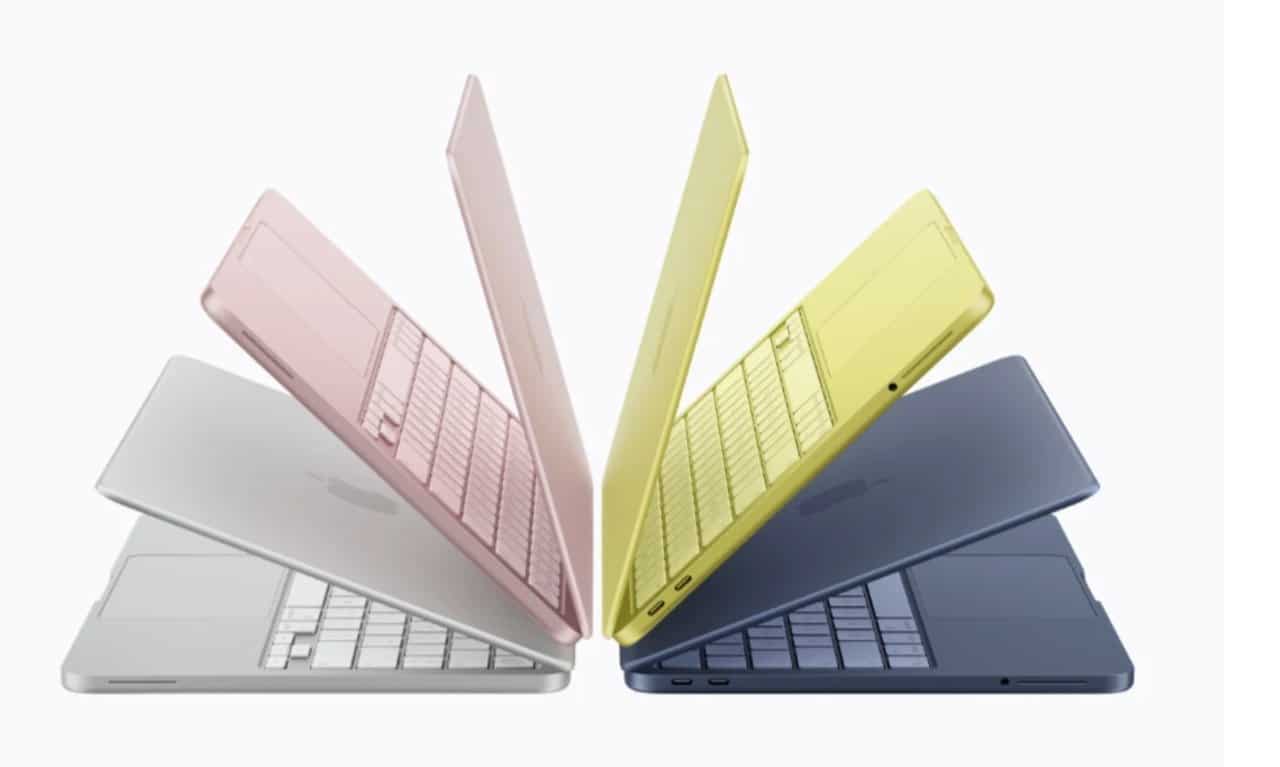
The rapid flow of the initial inventory of these components created a production bottleneck that required a complex maneuver on the part of the manufacturer. The model arrived on the market with a highly competitive price, configured with 8 GB of RAM and storage options of 256 GB and 512 GB, features that attracted a large volume of buyers. The need to replace these essential parts presents the company with the challenge of sustaining the offer without passing on additional costs to the end consumer.
Component reuse strategy
The practice of using parts with slight manufacturing variations, known in the semiconductor industry as binning, is a standardized method for minimizing silicon waste. In developing this portable computer, the manufacturer identified the opportunity to take advantage of processors that operate with five active cores in the GPU, instead of the six found in the full version for mobile devices.
This intelligent allocation of resources allowed the device to maintain an affordable positioning in the entry-level laptop segment. The processor features six hybrid CPU cores, four focused on energy efficiency and two on performance, which has proven to be more than adequate to guarantee the fluidity of the operating system in everyday tasks.
Bottlenecks on the Asian production line
Initial projections indicated the manufacture of approximately six million units of equipment throughout its first commercial cycle, using exactly the volume of surplus chips already mapped. With the accelerated pace of daily sales, the data indicates that this production ceiling will be breached in a much shorter period of time than predicted by supply chain analysts.
The main technical hurdle lies in the fact that the component architecture is based on TSMC’s advanced 3-nanometer process. Essa manufacturing line currently operates at maximum capacity, serving multiple customers in the technology sector, which makes the immediate expansion of production a logistically complex and financially costly task.
Negotiations with semiconductor suppliers
To avoid stopping assembly lines, executives began rounds of conversations with suppliers on Ásia to assess the feasibility of ordering new batches of the processor. The intention is to verify how to increase the supply of silicon without compromising the cost structure that made the original computer project viable.
Manufacturing new, flawless components for use in an entry-level machine creates a direct financial dilemma for the hardware division. Reiniciar production mats exclusively to meet this demand requires specific contractual negotiations that tend to increase expenses per unit manufactured.
Any drastic change in this supply approach directly alters the manufacturer’s planned profit margins for the quarter. The company seeks a balance point where it is possible to maintain the volume of deliveries to retail without sacrificing the profitability stipulated for the personal computer division.
Specifications that attracted the public
The commercial triumph of the device is explained by the balance of its technical specifications, which perfectly suit students and professionals working remotely. The Liquid Retina type display provides the image quality needed for media consumption, document editing, and everyday video conferencing.
The inclusion of the 16-core Neural Engine, which remains fully active even on repurposed units, ensures hardware compatibility with modern artificial intelligence tasks. Isso ensures that the input machine can locally process the new machine learning tools integrated into the system.
The chassis thermal design also benefits from the power efficiency inherent in the processor’s mobile architecture. Sem Despite the severe heat dissipation restrictions found in a cell phone, the chip can sustain performance peaks for prolonged periods, delivering an agile user experience.
For a significant portion of consumers, this hardware combination represents the ideal gateway to the brand’s ecosystem. The aggressive price positioning directed consumers looking for value for money directly towards the most recent generation available in stores.
Alternatives to maintain supply
Engineering and logistics teams evaluate multiple internal scenarios to overcome component shortages without destabilizing the corporation’s financial goals. One of the alternatives under discussion involves the early launch of a second generation of the notebook, which would already be equipped with a new family of processors. Essa strategic transition would allow the company to migrate to a more abundant production line in partner factories, ensuring more advantageous volume agreements and stabilizing the supply chain for the next fiscal semesters.
Although the move to an updated architecture seems the most logical path from an industrial perspective, the maneuver requires caution regarding product positioning at retail. Analistas note that the final decision will strictly depend on the quotes provided by Asian foundries for emergency production of current chips. The company studies ways to balance supply and demand without compromising the established quality standard, keeping the equipment competitive against direct competitors.
Dynamics of the portable computer market
The sales trajectory of this specific model highlights a broader transformation in consumer behavior within the personal computing sector, where demand for ultra-premium machines is stabilizing, while the segment of efficient and affordable laptops is experiencing accelerated expansion. By using its own silicon architecture, the manufacturer managed to blur the performance boundaries between mobile devices and desktop computers, delivering a product that offers exceptional battery life and speed suitable for the vast majority of daily tasks. Essa Aggressive push into the entry-level segment not only expands the user base for the company’s software services, but also puts strong pressure on competing brands that rely on third-party processors. Current supply chain constraints are a direct reflection of a successful product strategy that identified and exploited a gap in the market, proving that optimization between hardware and operating system dictates the industry’s new business rules.
Availability in retail stores
Despite the logistical challenges faced behind the scenes, the portable computer continues to be available for purchase through official channels and through the network of authorized resellers, although stock levels vary depending on the region and configuration chosen. Consumers interested in purchasing the equipment will find the product on the shelves, while the company works silently to adjust its production schedule and ensure that global distribution does not suffer significant disruptions in the coming months.



