
GM’s new electric hatch debuts on the market with a 102 hp engine and promises to travel 510 km per charge

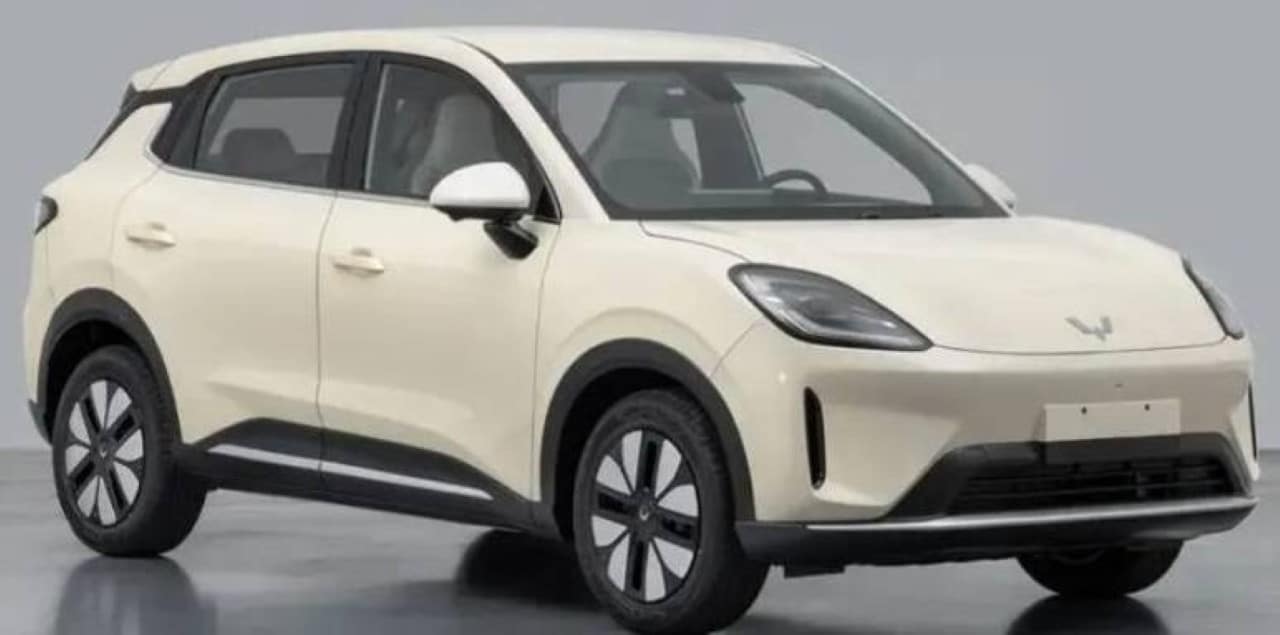
The automotive alliance formed by SAIC Motor, General Motors and Wuling has just revealed a substantial update to its sustainable vehicle portfolio. The recently presented compact hatch focuses on attracting consumers who seek energy efficiency without compromising performance on urban and highway roads. The manufacturer is betting on an updated mechanical set to consolidate its leadership in the zero-emission segment, delivering a product that combines advanced technology and practicality for daily use.
The project uses the North American automaker’s technological base to deliver a car capable of rivaling already established names in the electrified sector. The commercial strategy involves offering a robust package of standard equipment, combined with an engine that guarantees longer trips on a single charge. The development focuses on solving the main doubts of new electric car buyers, especially regarding the durability of components and the time spent at public charging stations.

With growing global demand for clean mobility, the expansion of the compact lineup represents a crucial move for the Asian joint venture. The vehicle is available to serve both private drivers and fleet owners who require low operational costs on a daily basis. The engineering applied to the model demonstrates the brand’s maturity in the construction of dedicated platforms, leaving aside the adaptations of combustion cars to focus on a purely electric architecture since its conception.
Mechanical capacity and energy efficiency
The new model’s propulsion system delivers a maximum power of 75 kW, which translates into approximately 102 hp of force. Este electric motor, strategically positioned on the front axle, provides agile acceleration and allows the car to surpass the 100 km/h mark with extreme ease. Stability at high speeds has been improved through suspension adjustments, ensuring safety and comfort during overtaking on busy highways.
Autonomy is the main asset of the updated version, reaching up to 510 kilometers in the rigorous CLTC test cycle. Esse Extended range is enabled by a high-energy density battery pack specifically designed to minimize charging anxiety on intercity journeys. The ability to travel long distances without interruption puts the hatch in an advantageous position compared to several more expensive electric sports utility vehicles currently available in dealerships.
The thermal management of power cells has received significant improvements to its internal electronic architecture. The optimized system allows ultra-fast recharging at direct current stations, recovering a large part of the charge in a few minutes. Além Additionally, the control software protects vital components against extreme variations in ambient temperature, extending the life of the battery pack and maintaining vehicle efficiency even in harsh climates.
Internal architecture and use of space
The exterior design preserves the rounded lines and retro style that characterize the automaker’s compact family. However, the engineering team focused on maximizing the useful cabin volume, using a platform dedicated exclusively to electric vehicles. Essa structural base allowed the axles to be moved back to the ends of the body, eliminating unnecessary swings and expanding the area for passengers.
The completely flat floor is one of the direct benefits of this modern and functional architecture. With an extended wheelbase of 2,610 mm, the hatchback comfortably accommodates five occupants with a level of legroom that is close to that of traditional midsize sedans. The absence of the central transmission tunnel ensures that the middle passenger in the rear seat travels with the same ergonomics as the other occupants.
The versatility of the luggage compartment perfectly meets the needs of families and passenger transport professionals. The trunk offers intelligent modular capacity and can be expanded to up to 1,450 liters when the rear seats are folded down completely. Algumas Structural characteristics reinforce the model’s proposal:
- Total length of 4,265 mm, making it easier to maneuver in tight spaces.
- Structure composed of almost 75% high-strength steel for protection against collisions.
- Light alloy wheels with an aerodynamic design that reduce wind drag.
- Calibration of shock absorbers aimed at absorbing irregularities in degraded pavements.
Standard equipment and advanced connectivity
The internal environment was designed to offer an immersive digital experience, centered on the Ling OS operating system, custom developed for the tram line. The dashboard displays two integrated 10-inch screens that control everything from air conditioning flow to satellite navigation and wireless mirroring of mobile devices. The interface responds to natural and continuous voice commands, allowing the driver to maintain full attention on the road while adjusting vehicle settings, changing radio stations or defining a new route on the digital map.
The cabin’s finish uses soft-touch materials and precise assembly, raising the perception of quality of the final product to a level higher than expected in the category. The list of factory items incorporates driving assistance technologies, such as a reversing camera with dynamic steering guides, parking sensors built into the rear bumper and an 8.8-inch digital instrument panel with high-definition graphics. The driver’s seat has electrical position adjustments, a comfort feature rarely found in entry-level hatchbacks and which demonstrates the brand’s effort to deliver added value.
Commercial positioning and values practiced
The aggressive pricing strategy aims to create an immediate barrier for rival automakers trying to expand their market share in the electrified segment. In the Asian market, official figures vary between 66,800 and 80,000 yuan, which represents a highly competitive option compared to direct competitors that offer smaller capacity batteries. The low price policy is supported by the high production volume and the verticalization of the joint venture’s supply chain.
The direct conversion of these values indicates a level close to R$60 thousand, although import duties, sea freight and local taxes drastically modify the final price in different export regions. The automaker is betting on unbeatable cost-benefit to attract the public looking for their first electric car, offering a complete product for a fraction of the price charged by traditional European and American brands.
Operational advantages for professional drivers
The absence of complex mechanical components, such as timing belts, spark plugs, injection nozzles and oil filters, drastically reduces the need for preventative maintenance stops in workshops. Periodic inspections of the hatch basically focus on inspecting the suspension system, rotation and tire alignment, in addition to updating electronic management software via the internet. The regenerative braking system acts actively during decelerations in heavy traffic, converting kinetic energy into electricity for the batteries and saving wear on conventional brake pads and discs. Essa combination of technical factors results in an extremely low cost per kilometer driven, making the model a highly profitable work tool for app drivers and companies that manage large urban fleets. Considerando In the current economic scenario, where the current minimum wage is R$1,621, the drastic reduction in spending on supplies and mechanics represents fundamental financial relief for self-employed workers who depend on their vehicle to generate daily income.
Commercial expansion in emerging markets
The presence of test units running camouflaged in South American countries indicates a clear movement towards internationalization of the product in the short term. The manufacturer uses emerging markets with challenging topography as real acceptance laboratories, setting the stage for large-scale distribution once regional charging infrastructure presents greater density and reliability for users.
Tough competition in the compact segment
The entry-level electric vehicle sector is going through a period of intense rivalry with the accelerated proliferation of new Asian models on the streets. The launch of SAIC-GM seeks to outshine its strong competitors, offering slightly larger dimensions, a more generous trunk and a considerably more vigorous engine for road use.
The central proposal is to deliver a versatile car that definitively serves as the main vehicle in the home, overcoming the old limitation of being just a support car for short trips to the supermarket. The exact combination of interior space, connectivity technology and long battery range sets the new standard for sustainable urban mobility.



